Medical Info For Parents

IMG_0043.jpeg
30/Apr/2025

If a child inserts a **pearl or small object into their nose**, parents should **avoid certain actions** to prevent injury or making the situation worse. Here’s what **not to do**:

**What Parents Should NOT Do:**

1. **Do NOT use tweezers or cotton swabs:** Trying to remove the object with tools can push it further into the nose or cause damage.

2. **Do NOT ask the child to sniff or inhale deeply:** This can make the object move deeper into the nasal passage.

3. **Do NOT delay medical care if unsure:** If removal is difficult or unsuccessful quickly, seek medical help. Waiting too long can lead to infection or nasal damage.

4. **Do NOT panic or scold the child:** This can increase anxiety and make cooperation harder during removal.

5. **Do NOT pour liquids (like oil or water) into the nose:** These can cause choking or force the object further in.

What to Do Instead:
– Stay calm and reassure the child.

– If the object is visible and easy to grasp (with fingers), you can gently try.
– Try the **“mother’s kiss”** technique (if safe and age-appropriate): Have one nostril closed, and blow gently into the child’s mouth to create pressure that might push the object out.
– If unsuccessful, visit a pediatrician or emergency room promptly.


IMG_0039.jpeg
25/Mar/2025

A poor appetite in toddlers can be concerning for parents, but it is often a common phase that many children go through. There can be several reasons why a toddler may have a poor appetite:

  1. Growth Spurts: Toddlers’ appetites often fluctuate depending on their growth rate. During periods of slower growth, they may not feel as hungry.

  2. Picky Eating: Around this age, children start to develop their food preferences and might refuse certain foods or become more selective.

  3. Teething: Teething can cause discomfort or pain in a toddler’s mouth, which may make eating less appealing.

  4. Illness or Infection: Minor illnesses like colds, stomach bugs, or ear infections can reduce a child’s desire to eat.

  5. Distractions: Toddlers can become easily distracted and may not focus on eating, especially if they are interested in playing or other activities.

  6. Emotional Factors: Changes in routine, stress, or emotional upset can affect appetite.

  7. Health Conditions: Rarely, an underlying health issue (e.g., food allergies, gastrointestinal problems, or anemia) might contribute to poor appetite.

What Can You Do?

  • Offer Small, Frequent Meals: Instead of three large meals, offer small meals and snacks throughout the day.

  • Create a Positive Mealtime Environment: Avoid pressure to eat, and make meals fun or interactive.

  • Be Patient with Picky Eating: Offer a variety of foods and respect their preferences, but keep introducing new options.

  • Monitor for Signs of Illness: If there are other signs like fever, vomiting, or a lack of energy, it’s important to consult a pediatrician.

  • Consult a Pediatrician: If the poor appetite persists or is accompanied by other concerning symptoms, it’s always best to seek professional advice.

If you’re worried or the lack of appetite persists, it’s worth discussing with your pediatrician to rule out any underlying health concerns.


IMG_0034.jpeg
18/Feb/2025

Earwax (cerumen) in children is normal and usually helps protect the ear by trapping dirt, dust, and bacteria. In most cases, it moves out of the ear on its own. However, sometimes it can build up and cause issues like hearing difficulties, ear pain, or a blocked sensation.

What to Do:

  • Avoid cotton swabs: They can push wax deeper into the ear.
  • Use a warm washcloth: Gently clean around the outer ear.
  • Over-the-counter drops: Earwax softening drops (like hydrogen peroxide or baby oil) can help.
  • See a doctor if needed: If there’s pain, hearing loss, or a suspected blockage, a pediatrician  or a ENT surgeon can safely remove the wax.

IMG_0033.jpeg
10/Feb/2025

Infant reflux, also known as gastroesophageal reflux (GER), is common in babies and usually not a cause for concern. Here’s what parents should know:

1. What Is Infant Reflux?

Reflux occurs when stomach contents flow back into the esophagus, causing spitting up. This happens because the muscle that keeps food in the stomach (the lower esophageal sphincter) is still developing in infants.

2. Signs of Reflux in Babies

  • Frequent spitting up or vomiting
  • Coughing or hiccups after feeding
  • Irritability or crying, especially after eating
  • Arching the back or stiffening during feeding
  • Difficulty sleeping or discomfort when lying down
  • Poor weight gain (in more severe cases)

3. When Is Reflux a Problem?

Most babies outgrow reflux by 12 to 18 months. However, Gastroesophageal Reflux Disease (GERD) is a more serious condition that requires medical attention. Signs of GERD include:

  • Poor weight gain or weight loss
  • Frequent forceful vomiting
  • Blood in vomit or stool
  • Chronic cough, wheezing, or difficulty breathing
  • Extreme fussiness or refusal to eat

4. Tips to Manage Mild Reflux

  • Feed smaller amounts more frequently – Large feedings can overwhelm a baby’s stomach.
  • Burp often – Burp your baby every few minutes during and after feeding.
  • Keep baby upright – Hold your baby upright for 20–30 minutes after feeding.
  • Use a proper feeding position – Ensure the baby is not lying flat while feeding.
  • Try thickened feeds – If advised by a doctor, thickening formula or breast milk with a small amount of rice cereal may help.
  • Check for formula or food allergies – Some babies react to cow’s milk protein or other allergens.

5. When to See a Doctor

Consult a pediatrician if your baby has:

  • Frequent projectile vomiting
  • Trouble gaining weight
  • Signs of discomfort during feeding
  • Breathing difficulties
  • Persistent cough or wheezing

6. Treatment Options

For severe cases, doctors may recommend medication to reduce stomach acid or, in rare cases, further medical interventions.

7. The Good News

Most babies outgrow reflux as their digestive system matures, usually by their first birthday. Managing feedings and positioning can significantly help reduce symptoms.


IMG_0031.jpeg
01/Feb/2025

Bottle feeding is not advised for any infant or a child as it can be a source of infection. However, it is a common practice as feeding is comfortable for the child and a parent. In such cases, it would be advisable to follow certain precautions and maintain an appropriate feeding practice. It can be used to give formula or expressed breast milk. Here’s what parents need to know:

1. Choosing the Right Bottle and Nipple

  • Select a BPA-free bottle with a slow-flow nipple for newborns.
  • Anti-colic bottles can help reduce gas and spit-up.
  • Try different nipple shapes and flow rates if your baby struggles with feeding.

2. Preparing the Formula Safely

  • Use only infant formula recommended by your pediatrician.
  • Follow the instructions on the formula packaging for proper mixing.
  • Use boiled, cooled water if needed, and ensure all equipment is sterilized.
  • Never dilute formula beyond instructions, as it can be unsafe for the baby.

3. Safe Bottle-Feeding Practices

  • Hold your baby in a semi-upright position to prevent choking.
  • Always support the bottle and avoid propping it up.
  • Let the baby control the pace of feeding—watch for signs of fullness.
  • Burp your baby after every feeding to reduce gas.

4. How Often and How Much to Feed

  • Newborns usually feed every 2–3 hours, with about 1.5–3 ounces per feeding.
  • By 2–4 months, they may take 4–6 ounces per feeding, every 3–4 hours.
  • Watch for hunger cues like sucking motions, hand-to-mouth movements, and fussiness.

5. Signs of Feeding Problems

  • Persistent spit-up or vomiting may indicate reflux or intolerance.
  • Gassiness, constipation, or diarrhea could mean formula sensitivity.
  • Excessive fussiness during feeding might indicate nipple flow issues or digestive discomfort.

6. Cleaning and Storage

  • Wash bottles and nipples with hot, soapy water after every use.
  • Sterilize bottles before the first use and regularly if your baby is under 3 months.
  • Prepared formula should be refrigerated and used within 24 hours.
  • Discard any leftover milk or formula after feeding—never reheat or reuse.

7. Weaning from the Bottle

  • Start introducing a sippy cup around 6 months.
  • Begin weaning off the bottle between 12–18 months to prevent tooth decay.

IMG_0015.jpeg
23/Dec/2024

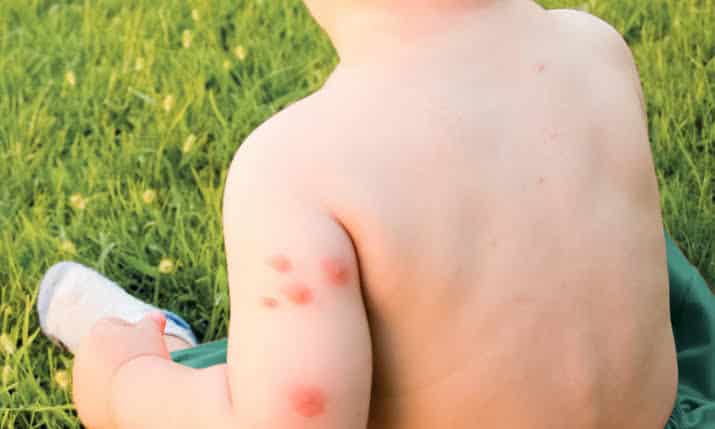
Mosquito bite allergy, also known as Skeeter syndrome, is an allergic reaction to proteins in a mosquito’s saliva. While most mosquito bites cause mild redness and itching, children with mosquito bite allergies may experience more severe symptoms. Here’s what parents should know:

Signs and Symptoms of Mosquito Bite Allergy

  1. Localized Reactions:
    • Large, swollen, red welts around the bite.
    • Pain, warmth, or itchiness at the site.
  2. Systemic Reactions (less common but more severe):
    • Fever.
    • Swollen lymph nodes.
    • Fatigue or a general feeling of being unwell.
  3. Infection Risk:
    • If a bite is scratched excessively, it can become infected, leading to redness, pus, or increased pain.

What Parents Should Do

  1. Immediate Care for a Mosquito Bite:
    • Wash the bite area with soap and water.
    • Apply a cold compress to reduce swelling.
  2. When to Seek Medical Attention:
    • Severe swelling that spreads beyond the bite site.
    • Signs of infection (e.g., pus, fever, increased redness).
    • Systemic reactions like breathing difficulties, which may indicate anaphylaxis (a rare but serious condition).
  3. Prevention Tips:
    • Use mosquito repellents: Look for products with DEET, picaridin, or lemon eucalyptus oil, approved for children.
    • Dress appropriately: Long-sleeved shirts and pants can protect the skin.
    • Install protective measures: Use mosquito nets and keep windows screened.
    • Avoid peak mosquito times: Mosquitoes are most active at dawn and dusk.
  4. Long-term Management:
    • If your child has frequent severe reactions, consult a pediatric allergist.
    • Allergy testing can help confirm the diagnosis and guide treatment.
  5. Avoid Scratching:
    • Encourage your child not to scratch bites to prevent secondary infections.
    • Keep their nails trimmed to minimize damage.

With proper care and preventive measures, the discomfort and risks associated with mosquito bite allergies can be effectively managed.


IMG_0038.jpeg
17/Dec/2024

Cough syrups are generally not recommended for infants under 6 months of age because:

  1. Immature Immune and Digestive Systems: Infants’ bodies are not developed enough to process the active ingredients in many cough syrups.
  2. Risk of Side Effects: Over-the-counter medications can cause serious side effects in infants, including drowsiness, difficulty breathing, or allergic reactions.
  3. Limited Efficacy: Research has shown that these medications often do not work well for young children and can be potentially harmful.

What to Do Instead:

  • Keep the Baby Hydrated: Ensure they are getting enough breast milk or formula.
  • Use Saline Drops: For nasal congestion, saline drops and gentle suction can help.
  • Humidify the Air: A cool-mist humidifier can ease breathing by keeping the air moist.
  • Frequent Position Changes: Holding the baby upright may provide relief.
  • Consult a Pediatrician: Always check with your pediatrician for safe remedies and to rule out serious conditions.

Never administer medication without professional guidance, especially for infants.


IMG_0012.jpeg
09/Dec/2024

Flu vaccination is an important way to protect children from the seasonal flu, which can lead to serious illness, hospitalization, or even death. Here’s what parents should know about flu vaccines for children:

1. Age Recommendations:

  • The CDC recommends that all children 6 months and older get the flu vaccine every year.
  • Children under 6 months cannot receive the flu vaccine.

2. Types of Flu Vaccines:

  • Flu shot: This is the most common form, given as an injection in the arm. It is approved for children aged 6 months and older.
  • Nasal spray flu vaccine (FluMist): This is a nasal spray option, approved for children aged 2 years through 49 years who are healthy and do not have certain medical conditions (e.g., asthma).

3. Timing:

  • It’s best to get the flu vaccine before the flu season starts, ideally by October, but getting it later in the season still offers protection.
  • The flu season typically peaks between December and February.

4. Dosage for Children:

  • Children aged 6 months to 8 years who are getting the flu vaccine for the first time need two doses spaced at least 4 weeks apart.
  • After the initial year of vaccination, one dose per year is typically enough.

5. Safety and Side Effects:

  • The flu vaccine is generally safe and well-tolerated.
  • Common side effects include soreness at the injection site, mild fever, or fatigue. These are usually short-lived.
  • Serious side effects, such as allergic reactions, are rare.

6. Effectiveness:

  • While the flu vaccine is not 100% effective, it significantly reduces the risk of severe illness, hospitalization, and complications from the flu.
  • Effectiveness can vary from year to year, depending on the match between the circulating flu strains and the vaccine.

7. Why It’s Important:

  • Children, especially those under 5, are at higher risk for serious complications from the flu.
  • Vaccinating children helps protect vulnerable individuals, including infants, elderly family members, and those with weakened immune systems.

8. Exemptions:

  • Children with certain medical conditions (e.g., severe allergies to vaccine components) should consult their pediatrician before receiving the vaccine.
  • If your child has had a severe allergic reaction to a flu vaccine in the past, they should not get another dose.

9. Flu vs. Cold:

  • The flu is different from the common cold. It can cause more severe symptoms like high fever, body aches, and fatigue.
  • A flu vaccine does not protect against the common cold, which is caused by different viruses.

In conclusion, flu vaccination is an essential tool for keeping children healthy during the flu season and reducing the burden on healthcare systems. Parents should consult their child’s pediatrician for guidance specific to their child’s health needs.


02115759-d40c81bf-0991-45d5-8951-b5af7f8132d0-1200x800.jpg
04/Dec/2024

Migraines in children can be challenging to diagnose and manage. Here’s what parents should know:

Symptoms
1. *Headaches*: Often described as throbbing, pounding, or pulsating
2. *Location*: Usually on one side of the head, but can shift or be bilateral
3. *Duration*: Can last from 30 minutes to several hours
4. *Frequency*: Varies, but often occurs in clusters
5. *Associated symptoms*: Nausea, vomiting, sensitivity to light, sound, or smells

Triggers
1. *Stress*: Emotional or physical stress
2. *Sleep*: Irregular sleep patterns or lack of sleep
3. *Food*: Certain foods (e.g., chocolate, citrus, processed meats)
4. *Hormonal changes*: Menstruation (in girls)
5. *Environmental factors*: Bright lights, loud noises, changes in weather

Diagnosis
1. *Medical history*: Review of symptoms and family history
2. *Physical exam*: To rule out other conditions
3. *Headache diary*: Tracking symptoms and maintaining a diary

Managing Migraines at Home
1. *Create a headache-friendly environment*: Dim lighting, quiet space
2. *Encourage hydration*: Drinking plenty of water
3. *Offer comfort*: Cold or warm compresses, gentle massage
4. *Monitor symptoms*: Keeping a headache diary

When to Seek Medical Attention
1. *Sudden, severe headache*: Especially if accompanied by fever, confusion, or weakness
2. *Frequent or worsening headaches*: If symptoms change or increase in frequency
3. *Difficulty managing symptoms*: If treatment is ineffective or causing side effects

Consult a Healthcare Professional
For personalized guidance on managing migraines in children.


IMG_0009.jpeg
20/Nov/2024

If a child is choking, it’s important to act quickly. Here’s what parents or caregivers should do:

1. Assess the Situation

  • Mild choking: The child may cough or make wheezing sounds. If they are still able to breathe and cough, encourage them to keep coughing to clear the obstruction.
  • Severe choking: The child may not be able to breathe, cry, or cough. Their face may turn red or blue. Immediate action is needed.

2. For Infants (Under 1 Year Old)

If the infant is choking and unable to cough or breathe:

  • Call for help (call emergency services if needed).
  • Perform back blows:
    1. Place the infant face-down on your forearm, supporting the head and neck.
    2. Use the heel of your hand to give up to 5 back blows between the infant’s shoulder blades.
  • Perform chest thrusts:
    1. If the back blows don’t clear the obstruction, turn the infant over to face-up.
    2. Place two fingers in the center of the chest just below the nipple line.
    3. Give 5 chest thrusts, pushing down firmly.
  • Repeat the back blows and chest thrusts until the object is expelled or emergency help arrives.

3. For Children (Over 1 Year Old)

If the child is choking and unable to breathe:

  • Call for help (call emergency services if needed).
  • Perform back blows:
    1. Have the child bend forward at the waist.
    2. Use the heel of your hand to give 5 firm back blows between the shoulder blades.
  • Perform abdominal thrusts (Heimlich maneuver):
    1. Stand behind the child and place your hands around their waist.
    2. Make a fist with one hand and place the thumb side just above the child’s navel.
    3. Grasp the fist with your other hand and give quick inward and upward thrusts.
    4. Continue the thrusts until the object is expelled or the child begins to breathe.

4. After the Object Is Expelled

  • If the child begins breathing, stay with them and monitor for any further complications.
  • If the child is still not breathing, begin CPR and continue until help arrives.

5. Do Not

  • Do not slap the child on the back or try to retrieve the object with your fingers unless you can clearly see it and can easily remove it without pushing it deeper.
  • Do not perform abdominal thrusts on infants.

It’s crucial to take immediate action, and if you’re unsure, always call emergency services for professional guidance.


Dr. Vibin KV

Dr. Vibin KV is best pediatrician in south Delhi, near safdarjung enclave. He has over 14 years experience in managing sick children from newborn to 18 years of age.
Conditions treated and services provided at the clinic include:
1) Respiratory illnesses with cough or noisy breathing- bronchiolitis, bronchitis, pneumonia, wheezing, asthma, foreign body, Inhaler therapy etc.
2) Vaccinations in all age groups.
3) New Born baby care.
4) Diarrhea, dysentery, dehydration.
5) Liver and Kidney Failure.
6) Brain infection including meningitis, encephalitis etc.
7) Urinary problems like Urinary tract infection, poor urine stream, painful urine, tight skin of the penis (phimosis) or paraphimosis, redness or pus at penis area.
8) Nephrotic syndrome and other Kidney related problems.
9) Jaundice, Hepatitis.
10) Poor growth, short stature, overweight, obesity.
11) Childhood diabetes and other endocrine problems in children.
12) Colic in infants.
13) Constipation in infants and older children.
14) Skin conditions like allergies, eczema, dermatitis, herpes, Rashes, dry skin, Dandruff, white patch over face, hair fall, dry scalp, diaper rash, nail problems etc.
15) Hernia or hydrocele- swelling in umbilical, swelling in testis, swelling in inguinal region.
16) Fever and Infections (bacterial, viral, fungal etc)
17) Seizures - Epilepsy, Febrile seizures.
18) worm infestations
19) Fall from height, head injury, Trauma, fractures (bone injury) etc.
20) PICC line and central line insertions.
21) Day care and Inpatient care facilities.
22) Adolescent care - emotional, psychological health.
23) Autism, ADHD, hyperactivity, learning disabilities, Developmental delay.
24) Short surgical procedures needing IV sedation.

Copyright by Dr. VibinKV 2023. All rights reserved.