


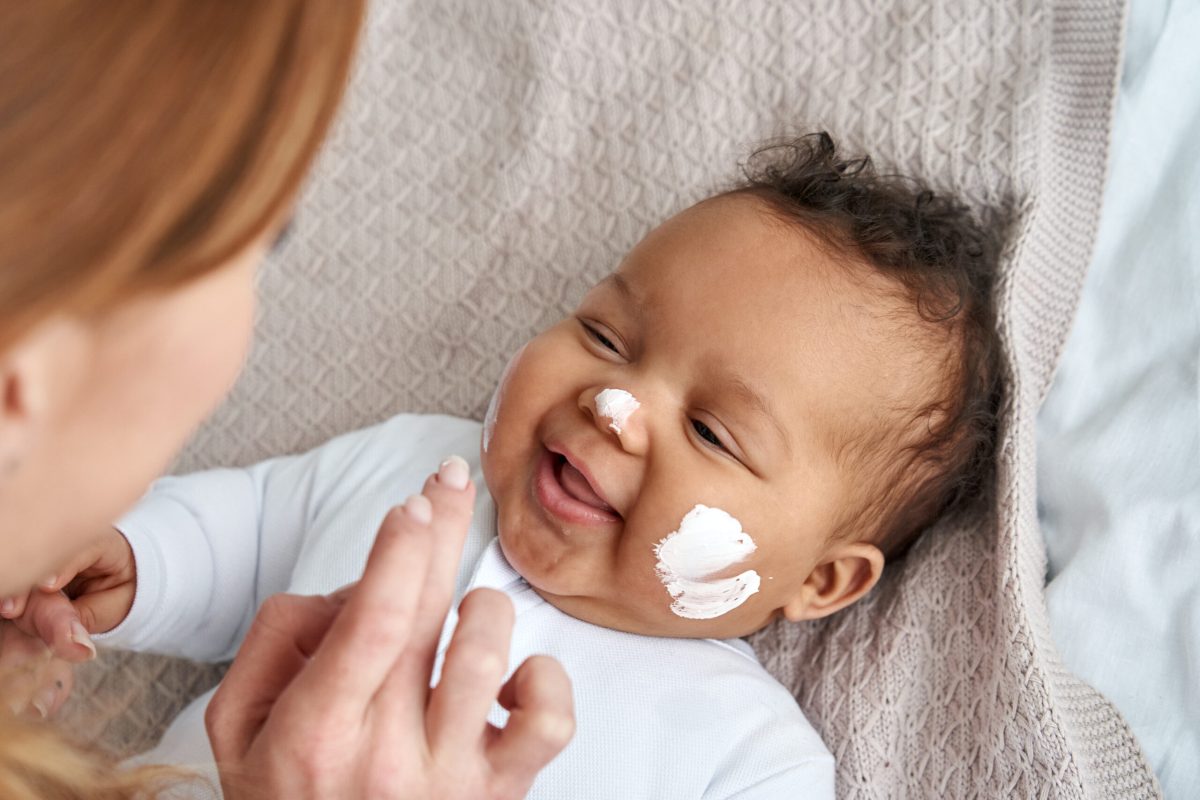
Skin Protection


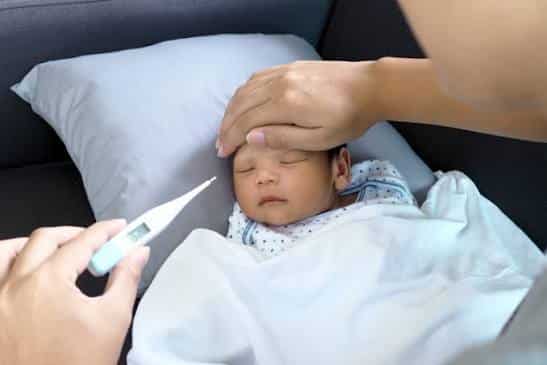
Influenza (flu) infection in infants can lead to serious illness, so it is essential for parents to understand the risks, recognize symptoms early, and know prevention and treatment measures.
Why Infants Are at Risk
-
Infants have a developing immune system, making them more vulnerable to severe illness from the flu compared to older children and adults.
-
Babies under 6 months cannot receive the flu vaccine themselves, but those 6 months and older should get vaccinated annually.
-
Adults and older children in close contact with infants should also be vaccinated to help protect the baby (cocooning).
How Influenza Spreads
-
The virus spreads through droplets in the air when an infected person coughs, sneezes, or talks.
-
Contact with contaminated surfaces, toys, or hands is another route; infants often touch their faces or put objects in their mouths.
Signs and Symptoms
-
Fever (may be high or unexplained in newborns)
-
Cough, runny nose, or sore throat
-
Unusual tiredness, irritability, or refusing to feed
-
Body aches, chills, or headache
-
Vomiting and diarrhea (more common in young children)
-
Severe signs: difficulty breathing, dehydration (few wet diapers), persistent high fever, or lethargy
When to Seek Medical Attention
-
Immediate medical attention is needed for breathing problems, bluish lips, poor feeding, dehydration, persistent vomiting, or seizures.
-
Consult a healthcare provider if symptoms worsen, don’t improve after a few days, or if the child appears very unwell.
Prevention Tips
-
Annual flu vaccination for children 6 months and older is crucial.
-
Vaccinate household members and caregivers if the infant is under 6 months.
-
Practice good hand hygiene, respiratory etiquette (cover coughs and sneezes), and disinfect surfaces regularly.
-
Avoid contact with people who are sick.
-
Keep infants away from crowded places during peak flu season.
Treatment and Home Care
-
Antiviral medications (e.g., oseltamivir) may be prescribed for infants at high risk or with confirmed influenza, especially if started within 48 hours of symptom onset.
-
Manage fever with doctor-approved medications. Do not give aspirin to infants due to the risk of Reye’s syndrome.
-
Keep the infant hydrated, allow rest, and monitor for worsening symptoms.
Other Key Points for Parents
-
Breastfeeding is encouraged; if the mother has flu symptoms, milk can be expressed and fed by a healthy caregiver.
-
The flu shot does not cause the flu. Some infants may have mild side effects like low-grade fever after vaccination.
-
Infants should stay home and away from daycare or gatherings until fever-free for at least 24 hours without fever-reducing medications.
Parents play a vital role in protecting infants from influenza by maintaining vaccination schedules, enforcing hygiene, and seeking prompt care when needed.

Massage for newborns can offer significant benefits, but it must be done with care, following expert guidelines to ensure safety and maximize positive outcomes for both infant and parent.
Key Benefits of Newborn Massage
-
Promotes bonding: Physical touch during massage enhances emotional attachment, eye contact, and communication between parent and baby.
-
Aids sleep and relaxation: Regular massage can help a baby feel calmer, lower stress hormones, and support restful sleep.
-
Supports development: Massage may promote social, emotional, and cognitive growth, help with motor coordination, and strengthen physiological systems like digestion and immunity.
-
Reduces discomfort: Gentle abdominal massage can relieve colic, gas, or constipation, though tummy massage should only be done after the umbilical cord stump has healed.
Safety Tips and Guidelines
-
Timing and environment: Choose a quiet, warm space and massage the baby when they are calm and alert—typically about 30 minutes after feeding.
-
Use safe oils: Select gentle, baby-safe oils, avoiding anything with fragrance or harsh chemicals.
-
Technique:
-
Use gentle, firm (not rough) strokes, supporting joints like the wrist or ankle while massaging limbs.
-
Massage the tummy only in a clockwise motion (and only after the umbilical cord area is fully healed).
-
Avoid the spine directly—massage alongside it.
-
If the baby becomes upset, uncomfortable, or falls asleep, stop the massage.
-
-
Precautions:
-
Never apply strong pressure; always use the palm of the hand and soft finger pads.
-
Don’t massage if the baby is unwell, feverish, or immediately after feeding.
-
Never leave a baby unattended after applying oil—babies can slip and fall.
-
Watch for allergic reactions; stop if any redness or irritation appears.
-
After an oil massage, bathe the baby in lukewarm water and ensure the oil is washed off.
-
Simple Steps and Techniques
-
Prepare a warm room with a soft towel.
-
Use gentle strokes from the thigh to ankle and arm to wrist, always supporting the baby’s joints.
-
Use gentle circles for the tummy (if appropriate), and a soft touch for the cheeks, forehead, and back of the baby’s neck and shoulders.
-
Maintain eye contact and talk or sing to the baby throughout, to enhance bonding and relaxation.
-
Be patient and keep sessions brief at first, increasing time as the baby gets used to massage.
When to Avoid Massage
-
If the baby is sick, has a fever, or is recovering from illness.
-
Immediately after or close to a feed (wait at least 30 minutes).
-
On or near wounds, rashes, or unhealed umbilical cord area.
Summary Table: Do’s and Don’ts
| Do’s | Don’ts |
|---|---|
| Use gentle, firm strokes | Apply strong pressure |
| Massage when baby is calm | Massage when baby is sick or post-feed |
| Use baby-safe oil | Use harsh or scented oils |
| Support joints during massage | Leave baby unattended or oily |
| Wash hands before start | Massage unhealed umbilical area |
Giving a newborn a gentle massage provides nurturing physical contact and developmental support, but always follow professional guidelines for safety and comfort.
Recent Posts

September 25, 2026

August 24, 2026