Medical Info For Parents

IMG_0067.jpeg
19/Aug/2025

Screen Time in Children – What Parents Need to

Know

Why Screen Time Matters

• Affects brain development, especially in under-5s

• May disturb sleep and daily routine

• Can cause eye strain and vision issues

• Reduces outdoor play → risk of obesity

• Can affect mood, focus, and social skills

Recommended Screen Time by Age

Age Recommendation

< 18 months Avoid screens (except video calls)

18–24 months If introduced, only high-quality content, with parent

2–5 years Up to 1 hour/day, supervised

6+ years No strict limit – focus on balance (sleep, play, school)

Healthy Screen Habits

• Watch together and discuss content

• Choose educational, age-appropriate programs

• Keep tech-free zones (meals, bedrooms, before bed)

• Encourage outdoor play, reading, and hobbies

• Use parental controls when needed

• Model healthy screen use yourself

Warning Signs of Too Much Screen Time

• Child gets angry when screen is removed

• Prefers screens over play and social interaction

• School performance declines

• Poor sleep or constant tiredness

• Frequent headaches, eye strain, or poor posture

■ Key Takeaway

Screens are not harmful if used wisely and in moderation. Balance is the key – quality content +

parental involvement + healthy routine make screen time safe and educational


IMG_0066.jpeg
06/Aug/2025

Excess ORS (Oral Rehydration Solution) Intake in Children – What Parents Need to Be Cautious About

Oral Rehydration Solution (ORS) is lifesaving in cases of dehydration due to diarrhea or vomiting. However, excessive intake without proper need or guidance can lead to complications. Here’s what parents should know:


⚠️ Why Too Much ORS Can Be Harmful

  1. Electrolyte Imbalance

    • ORS contains salts like sodium and potassium. Too much can cause hypernatremia (high sodium levels), especially in infants and small children.

  2. Overhydration (Water Overload)

    • Giving large volumes of ORS unnecessarily may lead to fluid overload, which can burden the kidneys and, in rare cases, cause swelling (edema) or low sodium (hyponatremia) if diluted improperly.

  3. Masking Ongoing Illness

    • Relying solely on ORS without addressing underlying causes (e.g., infections) can delay proper medical treatment.


When and How to Use ORS Safely

  • Only Use When Needed:
    Primarily during diarrhea, vomiting, or signs of dehydration (dry mouth, sunken eyes, decreased urine, lethargy).

  • Follow Age-Appropriate Dosages:

    • Infants (<1 year): ~50–100 ml after each loose stool

    • Children (1–5 years): ~100–200 ml after each loose stool

    • Older children: As much as they want, but spaced out gradually.

  • Do Not Force ORS:
    Let the child sip slowly. Forcing large amounts can cause vomiting.

  • Do Not Use as a Routine Drink:
    ORS is not a substitute for water, juice, or milk in a healthy child.

  • Avoid Diluting Commercial ORS:
    Mixing it incorrectly (too much water or too little) changes its effectiveness and safety.


🚨 When to Seek Medical Help

  • If your child refuses to drink

  • Vomits everything, including ORS

  • Shows worsening signs of dehydration

  • Has blood in stools, high fever, or drowsiness

  • If you’re unsure about how much ORS to give


💡 Summary for Parents:

  • Use ORS wisely—only when there’s fluid loss

  • Stick to the recommended amount based on age

  • Do not overuse or make it a routine drink

  • Monitor for signs of overhydration or worsening condition

If in doubt, always consult your pediatrician.


IMG_0052.jpeg
20/May/2025

Poor appetite in toddlers is a common concern for many parents. It’s important to approach it calmly and with a good understanding of what’s typical and when to seek help. Here’s what parents must know:


What’s Normal?

  1. Appetite Fluctuates
    Between ages 1–5, toddlers experience slow growth compared to infancy, so their appetite naturally decreases.

  2. Picky Eating Is Common
    Toddlers often refuse new foods or want the same food repeatedly (food jags). It’s a normal developmental phase.

  3. Small Stomachs
    Toddlers need smaller, more frequent meals. Large portions may overwhelm them.


🧠 Key Reasons for Poor Appetite

  • Growth Slows Down
    Appetite often decreases after age 1 because the rapid infant growth slows.

  • Illness or Teething
    Fever, cold, teething pain, or digestive issues can temporarily reduce appetite.

  • Too Many Snacks or Milk
    Snacking or drinking too much milk/juice can fill them up and blunt hunger.

  • Stress or Fatigue
    Big life changes, anxiety, or being overtired can affect eating habits.

  • Iron Deficiency or Constipation
    Medical issues like anemia or blocked bowels may suppress hunger.


🧩 What Parents Can Do

  1. Stick to a Routine
    Offer meals and snacks at regular times—toddlers thrive on structure.

  2. Limit Grazing
    Avoid constant snacking. Space meals/snacks by 2–3 hours.

  3. Don’t Force Feed
    This often backfires and creates negative associations with food.

  4. Make Mealtimes Pleasant
    Avoid distractions (TV, devices) and eat together as a family.

  5. Offer Variety, But Small Portions
    Let your child choose from a small selection of healthy options.

  6. Be a Role Model
    Show enjoyment when eating fruits, vegetables, and new foods.


🛑 When to See a Doctor

Consult a pediatrician if your toddler:

  • Is losing weight or not gaining as expected

  • Is lethargic or unusually irritable

  • Shows signs of nutrient deficiency (pale skin, fatigue, delayed development)

  • Has persistent vomiting, diarrhea, or constipation

  • Avoids entire food groups (especially protein or fruits/veggies)


IMG_0041.jpeg
12/Apr/2025

Deworming is an important part of keeping children healthy, especially in areas where parasitic worm infections are common. Here’s what parents should know:


What Is Deworming?

Deworming is the process of getting rid of intestinal worms (like roundworms, hookworms, and whipworms) using medication. These parasites can affect a child’s growth, nutrition, and overall health.


Why Is Deworming Important?

  • Improves nutrition: Worms can steal nutrients from food.

  • Boosts immunity: Less parasite burden allows the immune system to function better.

  • Enhances growth and development: Helps prevent malnutrition and anemia.

  • Improves school performance: Fewer health issues mean better focus and attendance.


Common Signs Your Child Might Need Deworming

  • Frequent stomach pain

  • Unexplained weight loss

  • Fatigue or weakness

  • Itchy bottom (especially at night)

  • Visible worms in stool

  • Poor appetite


When Should Children Be Dewormed?

  • Routine deworming: WHO recommends:

    • Once every 6 months in high-risk areas

    • Ages 1 to 14 are the target group

  • As prescribed: If symptoms suggest a worm infestation, a doctor may recommend deworming even outside of the schedule.


Which Medicines Are Used?

  • Common medications: Albendazole and Mebendazole

  • Safe, single-dose treatments

  • Available as chewable tablets or syrups for younger kids


Is Deworming Safe?

  • Yes, it’s generally safe with few side effects (like mild nausea or abdominal discomfort).

  • Always follow the correct dosage for your child’s age and weight.

  • Give medication under medical supervision, especially for kids under 2 years old.


How to Prevent Worm Infections

  • Practice good hygiene: Handwashing with soap

  • Keep nails short and clean

  • Wash fruits and vegetables thoroughly

  • Drink clean, boiled or filtered water

  • Wear shoes outdoors

  • Avoid open defecation


IMG_0035.jpeg
25/Feb/2025

Teeth grinding, or bruxism, is common in children, especially during sleep. Here’s what parents should know:

Causes of Teeth Grinding in Children

  1. Teething & Misaligned Teeth – Young children may grind due to discomfort from new or misaligned teeth.
  2. Stress & Anxiety – Emotional stress, changes in routine, or anxiety can trigger bruxism.
  3. Sleep Disorders – Conditions like sleep apnea may contribute to teeth grinding.
  4. Hyperactivity & Medical Conditions – ADHD and some neurological conditions may increase the risk.
  5. Response to Pain – Ear infections or other discomforts may lead to grinding as a coping mechanism.

Signs & Symptoms

  • Grinding noises during sleep
  • Worn-down or sensitive teeth
  • Jaw pain or headaches
  • Disrupted sleep patterns
  • Complaints of sore jaw upon waking

Possible Complications

  • Tooth damage or enamel erosion
  • Increased tooth sensitivity
  • Jaw disorders (e.g., TMJ issues)
  • Poor sleep quality

What Parents Can Do

  • Monitor Stress Levels – Help manage anxiety with relaxation techniques.
  • Maintain a Bedtime Routine – Establish a calm pre-sleep routine to improve sleep quality.
  • Ensure Proper Dental Care – Regular dental visits can help detect and manage bruxism early.
  • Check for Underlying Conditions – If sleep disorders or other health issues are suspected, consult a doctor.
  • Use Mouthguards (If Necessary) – For severe cases, dentists may recommend a nightguard to protect teeth.

Most children outgrow teeth grinding, but if it persists or causes problems, consult your paediatrician.


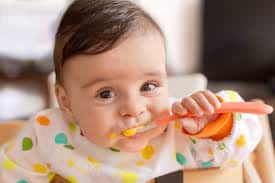
download.jpg
10/Aug/2024

Introducing a weaning diet, also known as complementary feeding, is an important step in an infant’s development. Here’s a comprehensive guide on how to initiate a weaning diet in infants:

1. Timing

  • Age: The ideal age to start introducing solid foods is around 6 months. However, some infants might show readiness slightly earlier, between 4-6 months. It’s essential to ensure your baby is ready before starting.

2. Signs of Readiness

  • Head control: Your baby should be able to hold their head up and sit with minimal support.
  • Interest in food: Shows curiosity about what you’re eating, reaching for food or opening their mouth when offered a spoon.
  • Ability to chew: Even without teeth, your baby should be able to mash food with their gums.

3. First Foods

  • Start with single-ingredient foods: This helps in identifying any potential allergies or intolerances. Good first foods include:
    • Iron-fortified infant cereals (mixed with breast milk or formula)
    • Pureed fruits (bananas, apples, mango, pears)
    • Pureed vegetables (carrots, sweet potatoes, peas)

4. Introducing Solids

  • Consistency: Start with very thin and smooth purees and gradually thicken them as your baby gets used to the textures.
  • Small portions: Offer a few spoon fulls once or twice a day.
  • Frequency: Begin with one meal per day and gradually increase to 2-3 meals as your baby becomes more comfortable with eating.

5. Allergenic Foods

  • Introduce early: Contrary to previous beliefs, introducing allergenic foods early can actually help prevent allergies. Common allergenic foods include:
    • Peanuts
    • Eggs
    • Dairy
    • Wheat
    • Soy
    • Fish and shellfish
  • Method: Introduce one allergenic food at a time, waiting 3-5 days before introducing another, to monitor any reactions.

6. Variety and Texture

  • Progression: Move from purees to mashed foods and then to soft finger foods as your baby’s chewing and motor skills develop.
  • Variety: Offer a variety of foods to expose your baby to different flavors and textures. This also ensures they get a wide range of nutrients.

7. Safety Tips

  • Choking hazards: Avoid foods that pose a choking risk, such as whole grapes, nuts, popcorn, and hard candies.
  • Supervision: Always supervise your baby while they are eating.
  • Hygiene: Ensure utensils and food preparation areas are clean to prevent foodborne illnesses.

8. Responsive Feeding

  • Cues: Pay attention to your baby’s hunger and fullness cues. Allow them to eat at their own pace and stop when they indicate they are full.
  • Patience: Some foods might be rejected initially. It can take several attempts before a baby accepts a new food.

9. Drinks

  • Breast milk or formula: Continue offering breast milk or formula as the primary source of nutrition until at least 12 months.
  • Water: Small amounts of water can be introduced around 6 months, especially with meals.
  • Avoid: Avoid giving juice, or sugary drinks to infants under 12 months.

10. Creating a Routine

  • Consistent mealtimes: Establish a routine that includes regular mealtimes, which helps babies develop healthy eating habits.
  • Family meals: Whenever possible, include your baby in family meals to encourage social interaction and mimicry of eating behaviors.

11. Consultation

  • Pediatrician: Always consult with a pediatrician or a healthcare provider if you have any concerns about your baby’s diet or if you suspect food allergies.

Summary

Initiating a weaning diet is a gradual process that involves patience and attentiveness to your baby’s needs and responses. By providing a balanced variety of foods and textures, you help your baby develop healthy eating habits and nutritional preferences that will last a lifetime.


IMG_0457.jpeg
15/Jul/2024

Seeing blood in a child’s stool can be alarming for any parent. While it’s not always a sign of a serious problem, it’s important to understand the possible causes and when to seek medical attention.

Common Causes

  1. Anal Fissures
    • Small tears in the skin around the anus, often caused by passing large or hard stools.
    • Blood is usually bright red and on the surface of the stool or toilet paper.
  2. Constipation
    • Straining and passing hard stools can lead to small tears or hemorrhoids.
    • May accompany anal fissures.
  3. Infections
    • Bacterial infections such as salmonella, shigella, or campylobacter can cause bloody diarrhea.
    • Accompanied by other symptoms like fever, abdominal pain, and diarrhea.
  4. Food Allergies
    • Allergies to cow’s milk or soy protein, especially in infants, can cause blood in the stool.
    • Often seen with symptoms like diarrhea, vomiting, or eczema.
  5. Inflammatory Bowel Disease (IBD)
    • Conditions like Crohn’s disease or ulcerative colitis can cause chronic inflammation in the digestive tract.
    • Symptoms include diarrhea, abdominal pain, weight loss, and fatigue.
  6. Intussusception
    • A serious condition where part of the intestine slides into an adjacent part, causing a blockage.
    • Symptoms include sudden, severe abdominal pain, vomiting, and “currant jelly” stools (stools mixed with blood and mucus).

What Parents Should Do

  1. Observe and Document
    • Note the color and amount of blood, and any accompanying symptoms like pain, diarrhea, or fever.
    • Keep track of the child’s diet, bowel habits, and any recent illnesses.
  2. Seek Medical Attention
    • Contact a pediatrician if blood in the stool persists, is accompanied by other symptoms (fever, abdominal pain, diarrhea), or if the child is very young.
    • Seek immediate medical care if there are signs of severe pain, significant bleeding, or symptoms of dehydration.
  3. Maintain Hydration and Diet
    • Ensure the child stays hydrated, especially if they are experiencing diarrhea.
    • A balanced diet with plenty of fiber can help prevent constipation.
  4. Follow Medical Advice
    • The pediatrician may recommend tests such as stool samples, blood tests, or imaging studies to determine the cause.
    • Treatment will depend on the underlying cause and may include dietary changes, medications, or in some cases, surgery.

Prevention and Care

  • Encourage a high-fiber diet and adequate fluid intake to prevent constipation.
  • Ensure proper hygiene to reduce the risk of infections.
  • Monitor for any signs of food allergies and discuss them with a pediatrician.

If you have any specific concerns or notice any unusual symptoms, it’s always best to consult with your pediatrician.


Dr. Vibin KV

Dr. Vibin KV is best pediatrician in south Delhi, near safdarjung enclave. He has over 14 years experience in managing sick children from newborn to 18 years of age.
Conditions treated and services provided at the clinic include:
1) Respiratory illnesses with cough or noisy breathing- bronchiolitis, bronchitis, pneumonia, wheezing, asthma, foreign body, Inhaler therapy etc.
2) Vaccinations in all age groups.
3) New Born baby care.
4) Diarrhea, dysentery, dehydration.
5) Liver and Kidney Failure.
6) Brain infection including meningitis, encephalitis etc.
7) Urinary problems like Urinary tract infection, poor urine stream, painful urine, tight skin of the penis (phimosis) or paraphimosis, redness or pus at penis area.
8) Nephrotic syndrome and other Kidney related problems.
9) Jaundice, Hepatitis.
10) Poor growth, short stature, overweight, obesity.
11) Childhood diabetes and other endocrine problems in children.
12) Colic in infants.
13) Constipation in infants and older children.
14) Skin conditions like allergies, eczema, dermatitis, herpes, Rashes, dry skin, Dandruff, white patch over face, hair fall, dry scalp, diaper rash, nail problems etc.
15) Hernia or hydrocele- swelling in umbilical, swelling in testis, swelling in inguinal region.
16) Fever and Infections (bacterial, viral, fungal etc)
17) Seizures - Epilepsy, Febrile seizures.
18) worm infestations
19) Fall from height, head injury, Trauma, fractures (bone injury) etc.
20) PICC line and central line insertions.
21) Day care and Inpatient care facilities.
22) Adolescent care - emotional, psychological health.
23) Autism, ADHD, hyperactivity, learning disabilities, Developmental delay.
24) Short surgical procedures needing IV sedation.

Copyright by Dr. VibinKV 2023. All rights reserved.