Medical Info For Parents

IMG_0118.jpeg
27/Mar/2026

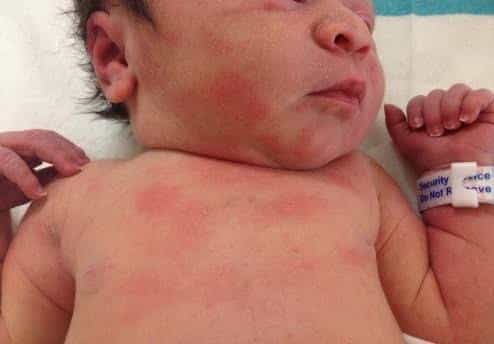
Seborrheic (seborrhoeic) dermatitis in infants, commonly called “cradle cap,” is a very common, usually harmless scaly rash that starts in the first few weeks of life and typically clears up by 6–12 months without long‑term problems.

What it is and where it occurs

  • It usually appears as greasy, yellow or white scales on the scalp, brows, forehead, or behind the ears (cradle cap).

  • It can also involve the neck folds, armpits, groin, or diaper area, often as red, shiny patches that may look like napkin dermatitis.

What parents should know

  • It is not an infection or poor hygiene; it is linked to overactive oil glands and the yeast Malassezia on the skin.

  • The baby is usually not itchy or uncomfortable, though some parents are worried about the appearance.

  • It is not contagious and most cases clear up on their own within weeks to months.

Home care tips for parents

  • Gently massage the scalp with a soft brush or washcloth after applying a small amount of mineral oil or petroleum jelly to loosen scales, then wash with a mild baby shampoo once a day.

  • For folds and face, keep the area clean and dry; use a fragrance‑free emollient rather than cosmetic “sensitive‑skin” products that may irritate.

When to seek medical advice

  • If the rash becomes very red, hot, weepy, or smelly, especially in skin folds or the diaper area, as this may indicate yeast or bacterial infection needing specific creams.

  • If scaling is very thick, widespread, or persists beyond 12 months, a doctor may add a low‑strength topical antifungal or steroid preparation for a short time.

IMG_0114-1200x800.jpeg
15/Jan/2026

Skin Protection

​Winter air is dry and harsh, and snow reflects up to 80% of UV rays.
​Sunscreen: Yes, even in winter. Apply to exposed faces, especially if there is snow on the ground.
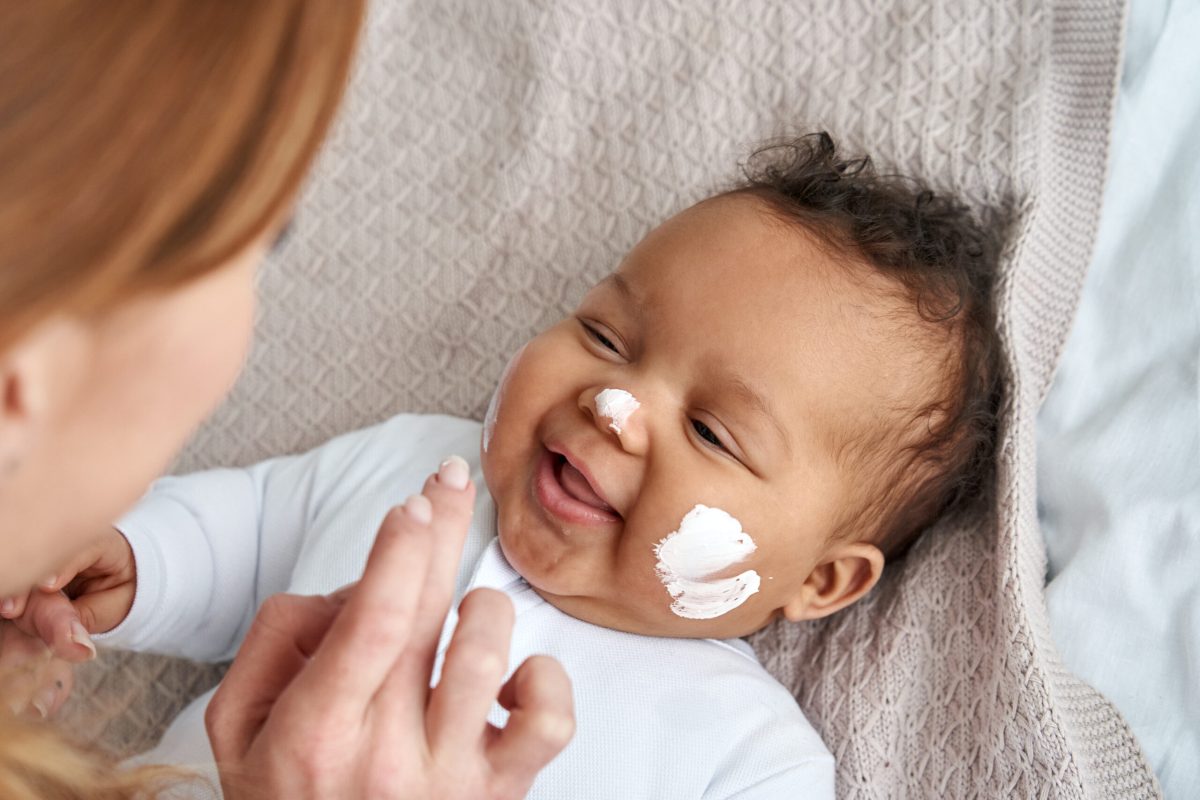
​Moisturize: Prevents “winter itch” and eczema flare-ups. Apply thick creams (ointments are better than lotions) immediately after baths.
​Chapped Lips/Cheeks: Use a barrier balm (like petroleum jelly or a stick balm) on lips and cheeks before going outside to prevent windburn.
​Hydration: Kids often don’t feel thirsty in the cold, but they still lose fluids. Encourage water intake to help their bodies regulate temperature.

IMG_0064.jpeg
19/Jul/2025

Dengue Danger Signs in Children: What Parents Need to Know

Dengue fever is a mosquito-borne viral illness common in many tropical and subtropical regions. While most cases are mild, children can develop severe dengue, which may be life-threatening if not identified and treated early. Here’s what parents should watch for:


🧒 Early Symptoms of Dengue in Children

These occur in the first 2–5 days:

  • Sudden high fever (up to 104°F or 40°C)

  • Severe headache (especially behind the eyes)

  • Muscle and joint pain (“breakbone fever”)

  • Nausea, vomiting

  • Skin rash (may appear on day 3–5)

  • Weakness, irritability, or drowsiness in younger kids


🚨 Warning Signs of Severe Dengue (Usually after Day 3)

If your child had dengue fever and then fever starts to come down, stay alert — this is when complications can begin. Look out for these danger signs:

1. Severe abdominal pain or continuous vomiting

  • Can indicate internal bleeding or organ involvement.

2. Bleeding signs

  • Bleeding from gums or nose

  • Blood in vomit or stool (black, tarry stools)

  • Easy bruising or skin petechiae (tiny red/purple spots)

3. Excessive tiredness or restlessness

  • Lethargy or irritability can suggest poor blood circulation.

4. Cold, clammy skin or weak pulse

  • Sign of shock, which is a medical emergency.

5. Difficulty breathing

  • May indicate fluid accumulation in lungs or chest.

6. Sudden drop in urine output

  • Less urination or no wet diapers could suggest dehydration or kidney involvement.


✅ What Parents Should Do

  • Seek immediate medical care if any warning signs appear.

  • Monitor temperature, fluid intake, and urine output.

  • Give only paracetamol for fever (avoid ibuprofen or aspirin—they can worsen bleeding).

  • Ensure good hydration with ORS, coconut water, soups, or electrolyte drinks.


❌ What Parents Should Avoid

  • Do not delay hospital visit if warning signs appear.

  • Avoid over-the-counter medications like ibuprofen or aspirin.

  • Don’t assume recovery just because fever drops—this is when danger can peak.


🦟 Prevention Tips

  • Use mosquito nets and repellents.

  • Eliminate stagnant water around the home.

  • Dress children in full-sleeved clothes.


If you’re unsure whether your child is improving or worsening, it’s safer to consult a doctor early. Dengue can worsen quickly, but with timely treatment, children usually recover well.


IMG_0062.jpeg
05/Jul/2025

Umbilical Stump Care in Newborns: What Parents Need to Know

Caring for your baby’s umbilical stump is simple but important. Proper care prevents infection and promotes natural healing. Here’s what parents should know:


🍼 What Is the Umbilical Stump?

  • After birth, the umbilical cord is clamped and cut.

  • A small stump (about 1–2 inches) remains, which dries up and falls off usually within 1–3 weeks.


Do’s for Umbilical Stump Care

  1. Keep it clean and dry:

    • Clean with plain water if dirty.

    • Gently pat dry with a clean cloth or let it air-dry.

    • No alcohol swabs unless advised by your doctor.

  2. Fold diaper away from the stump:

    • This prevents moisture and rubbing.

    • Many newborn diapers have a special cut-out for the stump.

  3. Dress your baby in loose clothes:

    • Allows air circulation and prevents irritation.

  4. Give sponge baths only until the stump falls off:

    • Avoid submerging in water.

  5. Let it fall off naturally:

    • Do not pull or try to remove it even if it’s hanging.


Don’ts for Umbilical Stump Care

  • Don’t apply powders, ointments, or antiseptics unless prescribed.

  • Don’t tug at the stump.

  • Don’t cover it with tight clothes or bandages.


⚠️ When to Worry – Call a Doctor If You Notice:

  • Redness or swelling around the base

  • Foul-smelling discharge or pus

  • Fever in your baby

  • Bleeding that doesn’t stop after gentle pressure

  • Stump hasn’t fallen off after 3–4 weeks


IMG_0059.jpeg
16/Jun/2025

BCG Scar in Newborn: What Parents Need to Know

The BCG (Bacillus Calmette-Guérin) vaccine is given to protect against tuberculosis (TB) and is part of the routine immunization schedule in many countries. It is usually administered at birth or shortly after.

Here’s what parents should know about the BCG scar:


What to Expect After BCG Vaccination

  1. Local Reaction Timeline:

    • First few days: Small red bump may appear.

    • 2–4 weeks later: Bump turns into a blister or ulcer.

    • 6–12 weeks: It may ooze slightly and form a scab.

    • By 3–6 months: Heals to form a small, round scar.

  2. Scar Size:

    • The final scar is usually 5–10 mm in diameter.

    • Not all babies develop a prominent scar — but the vaccine may still be effective.


❗ When to Worry

  • Excessive swelling or pus: A little discharge is normal, but large amounts of pus or a persistent wound (>6 weeks) should be evaluated.

  • Enlarged lymph nodes (especially under the arm) that are tender or growing.

  • Fever or signs of infection unrelated to normal healing.

  • No reaction at all after 3 months: Not usually a concern, but mention it during follow-up visits.


💡 Parent Tips

  • Don’t apply creams or ointments on the BCG site.

  • Avoid bandaging unless instructed by a doctor.

  • Let the area stay dry and clean.

  • Do not try to pop or drain the blister.


✅ Why the Scar is Good

  • A visible BCG scar often indicates the body has responded to the vaccine.

  • The presence or absence of a scar doesn’t guarantee immunity, but is usually a normal part of the process.


IMG_0058.jpeg
13/Jun/2025

Ticks are small, spider-like parasites that attach to the skin and feed on blood. While most tick bites are harmless, some can transmit serious diseases. Here’s a guide to help parents understand what to do if their child gets a tick bite and how to prevent future bites.


1. Identifying a Tick Bite

  • Often painless at first.

  • May leave a small red bump, similar to a mosquito bite.

  • You may find the tick still attached to your child’s skin.


2. What to Do If You Find a Tick on Your Child

  1. Remove the tick promptly:

    • Use fine-tipped tweezers.

    • Grasp the tick as close to the skin as possible.

    • Pull upward with steady, even pressure—don’t twist or jerk.

    • Avoid squeezing or crushing the tick’s body.

  2. Clean the area:

    • Wash the bite site with soap and water.

    • Apply antiseptic.

  3. Save the tick (optional):

    • Place it in a sealed container or zip-lock bag.

    • This can help identify the type if symptoms develop.


3. Monitor for Symptoms

Watch for signs of tick-borne illnesses in the days to weeks following a bite:

  • Red rash or bull’s-eye rash (especially in Lyme disease)

  • Fever or chills

  • Fatigue

  • Headache

  • Muscle or joint aches

  • Swollen lymph nodes

Seek medical care if any of these symptoms appear, especially after a tick bite.


4. When to See a Doctor

  • You can’t remove the entire tick.

  • A rash or flu-like symptoms develop.

  • You live in or have visited an area with high rates of tick-borne illnesses.

  • Your child appears very unwell after a bite.


5. Prevention Tips

  • Use tick repellents (with DEET or picaridin) on skin and permethrin on clothing.

  • Dress children in long sleeves and pants, tucking pants into socks.

  • Avoid brushy or wooded areas, especially in spring and summer.

  • Check your child (and pets) for ticks after outdoor play—especially the scalp, ears, armpits, groin, and behind the knees.

  • Shower within 2 hours of coming indoors.


6. Tick Removal Myths to Avoid

  • Don’t use petroleum jelly, nail polish, or a hot match to remove a tick—these methods can irritate the tick and increase disease risk.


If you’re in a region known for Lyme disease or other tick-related illnesses, it’s worth discussing with your pediatrician about local risks and whether prophylactic antibiotics are needed after a bite.


IMG_0055.jpeg
27/May/2025

Cephalhematoma in a Newborn is a collection of blood between a newborn’s skull bone and the periosteum (the membrane covering the bone). It occurs due to rupture of blood vessels during delivery, often from pressure on the baby’s head during labor or use of delivery instruments like forceps or vacuum extractors.

Key Features:

  • Location: Always confined to one cranial bone, most commonly the parietal bone.

  • Does not cross suture lines (a distinguishing feature from caput succedaneum).

  • Appears several hours after birth, not immediately.

  • Firm, well-defined swelling on the head.

  • Skin over the swelling is not discolored, unlike in bruises.

Causes:

  • Birth trauma from:

    • Vaginal delivery

    • Prolonged labor

    • Instrumental delivery (forceps or vacuum)

    • Large baby (macrosomia)

Diagnosis:

  • Clinical examination is usually sufficient.

  • Imaging (ultrasound or CT) is rarely needed unless complications or other skull injuries are suspected.

Course and Management:

  • Benign and self-limiting — most resolve on their own over weeks to months.

  • No aspiration is recommended due to risk of infection.

  • Monitor for complications like:

    • Hyperbilirubinemia (due to breakdown of blood in the hematoma)

    • Anemia (rare)

    • Infection (very rare)


IMG_0046.jpeg
03/May/2025

If a newborn develops a rash all over their body, it can be alarming, but not all rashes are dangerous. Here’s what parents should know and watch for:


Common (Usually Harmless) Newborn Rashes:

  1. Erythema toxicum neonatorum:

    • Red spots with small white/yellow bumps.

    • Common in healthy newborns (first week of life).

    • No treatment needed; clears on its own.

  2. Milia:

    • Tiny white bumps on the nose, cheeks, or chin.

    • Caused by blocked skin pores; resolve without treatment.

  3. Newborn acne:

    • Pimples on face, usually around 2–6 weeks of age.

    • Caused by maternal hormones; typically resolves in a few weeks/months.

  4. Heat rash (prickly heat):

    • Small red bumps in skin folds or where the baby gets hot.

    • Keep baby cool and dry; usually resolves quickly.


Warning Signs — When to Call a Doctor:

  • Fever (≥100.4°F or 38°C) in a baby under 3 months.

  • Rash looks like bruises or purple spots (could be serious, like meningitis).

  • Rash with blisters, peeling skin, or open sores.

  • Baby is very sleepy, irritable, or feeding poorly.

  • Rash is rapidly spreading or the skin looks infected (red, swollen, warm).


What Parents Should Do:

  • Don’t apply creams or powders unless recommended by a doctor.

  • Keep baby’s skin clean and dry; dress in soft, breathable clothing.

  • Take pictures to document changes if you need to consult a doctor.


Dr. Vibin KV

Dr. Vibin KV is best pediatrician in south Delhi, near safdarjung enclave. He has over 14 years experience in managing sick children from newborn to 18 years of age.
Conditions treated and services provided at the clinic include:
1) Respiratory illnesses with cough or noisy breathing- bronchiolitis, bronchitis, pneumonia, wheezing, asthma, foreign body, Inhaler therapy etc.
2) Vaccinations in all age groups.
3) New Born baby care.
4) Diarrhea, dysentery, dehydration.
5) Liver and Kidney Failure.
6) Brain infection including meningitis, encephalitis etc.
7) Urinary problems like Urinary tract infection, poor urine stream, painful urine, tight skin of the penis (phimosis) or paraphimosis, redness or pus at penis area.
8) Nephrotic syndrome and other Kidney related problems.
9) Jaundice, Hepatitis.
10) Poor growth, short stature, overweight, obesity.
11) Childhood diabetes and other endocrine problems in children.
12) Colic in infants.
13) Constipation in infants and older children.
14) Skin conditions like allergies, eczema, dermatitis, herpes, Rashes, dry skin, Dandruff, white patch over face, hair fall, dry scalp, diaper rash, nail problems etc.
15) Hernia or hydrocele- swelling in umbilical, swelling in testis, swelling in inguinal region.
16) Fever and Infections (bacterial, viral, fungal etc)
17) Seizures - Epilepsy, Febrile seizures.
18) worm infestations
19) Fall from height, head injury, Trauma, fractures (bone injury) etc.
20) PICC line and central line insertions.
21) Day care and Inpatient care facilities.
22) Adolescent care - emotional, psychological health.
23) Autism, ADHD, hyperactivity, learning disabilities, Developmental delay.
24) Short surgical procedures needing IV sedation.

Copyright by Dr. VibinKV 2023. All rights reserved.