Medical Info For Parents

IMG_0008.jpeg
14/Nov/2024

When air pollution levels are high, it’s especially important for parents to take extra precautions to protect their children, as their developing bodies are more vulnerable to the harmful effects of polluted air. Here’s what parents should know about managing care during air pollution:

1. **Health Risks of Air Pollution for Children**
– **Respiratory Problems**: Children are more likely to develop asthma, bronchitis, and other respiratory issues due to exposure to polluted air.
– **Increased Vulnerability**: Young children breathe more air (and more pollutants) relative to their size, and their lungs are still developing.
– **Long-term Effects**: Chronic exposure to polluted air can lead to long-term health problems, including impaired lung development and increased risk of cardiovascular diseases.

2. **Monitor Air Quality**
– **Check Air Quality Index (AQI)**: Stay updated on the Air Quality Index (AQI) in your area, especially during days when pollution is high. Various apps and websites provide real-time AQI data.
– **Know the Pollution Sources**: Pollution may come from traffic, industrial emissions, wildfires, or weather patterns. During high-pollution days (such as during wildfire season or smog), take extra caution.

3. **Reduce Outdoor Exposure**
– **Limit Outdoor Activities**: On days with high pollution, limit outdoor play or sports, especially for children with asthma or preexisting respiratory conditions. If outside activities are unavoidable, try to do them during times when pollution levels are lower (often early morning or late evening).
– **Indoor Alternatives**: Encourage indoor play or exercise when pollution levels are high. Activities like reading, art, or board games can keep children engaged inside.

4. **Ensure Good Indoor Air Quality**
– **Keep Windows Closed**: On high-pollution days, keep windows and doors closed to prevent outdoor pollutants from entering the home.
– **Ventilate When Safe**: If outdoor air quality improves, ventilate your home by opening windows briefly to refresh the air inside.

5. Health Precautions for Sensitive Children**

– **Asthma and Allergies**: If your child has asthma or allergies, follow your doctor’s advice on medication and treatment plans. In some cases, parents may need to adjust or increase the use of inhalers or other medications.
– **Monitor Symptoms**: Keep an eye out for signs of breathing difficulties (coughing, wheezing, shortness of breath) and take appropriate action if symptoms worsen.
– **Hydration and Nutrition**: Encourage children to stay hydrated and eat healthy foods that support immune and respiratory health, like fruits rich in antioxidants (e.g., apples, oranges).

6. **Signs of Trouble and When to Seek Medical Help**
– **Breathing Issues**: If your child shows signs of shortness of breath, persistent coughing, or unusual fatigue during or after exposure to polluted air, seek medical advice.
– **Asthma Attacks**: If your child has an asthma attack, follow the prescribed emergency treatment (e.g., inhaler use) and seek medical help if symptoms don’t improve.

7. **Educate Children About the Risks**
– **Awareness**: Teach older children about the dangers of air pollution and encourage them to avoid outdoor activities when pollution levels are high.
– **Safe Habits**: Explain the importance of avoiding strenuous exercise outside on polluted days and encourage wearing protective masks if necessary (though consult a healthcare provider before using masks for children).

By taking these precautions, parents can help minimize the harmful effects of air pollution on their children’s health, particularly during times of high pollution.


IMG_0005.jpeg
01/Nov/2024

Excess oil usage in newborns can lead to several issues:

  1. Skin Irritation: Newborn skin is delicate and can be easily irritated. Excessive oil can clog pores and lead to rashes or acne.
  2. Allergic Reactions: Some oils may cause allergic reactions, leading to redness, swelling, or discomfort.
  3. Impaired Skin Barrier: Overuse of oil can disrupt the natural moisture balance and skin barrier function, making the skin more vulnerable to infections.
  4. Heat Rash: Oils can trap heat, potentially causing heat rash or increased discomfort in warm environments.
  5. Dirt and Bacteria Build-Up: Excess oil can attract dirt and bacteria, increasing the risk of infections.

For newborns, it’s usually best to use minimal products and consult a pediatrician before applying any oils.


IMG_0004.jpeg
15/Oct/2024

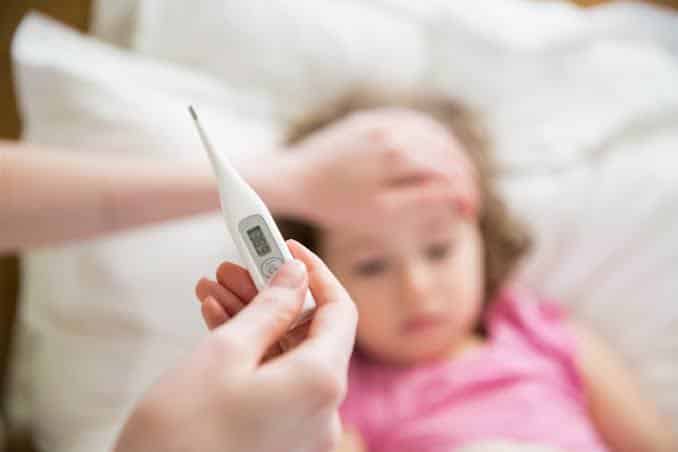
When dealing with a very high fever in a child, consider the following measures:

1. **Monitor Temperature**: Use a digital thermometer to regularly check the child’s temperature.

2. **Hydration**: Ensure the child drinks plenty of fluids, such as water, electrolyte solutions, or clear soups, to prevent dehydration.

3. **Appropriate Clothing**: Dress the child in lightweight, breathable clothing and keep the room at a comfortable temperature.

4. **Lukewarm Bath**: A lukewarm sponge bath can help lower body temperature. Avoid cold baths, as they may cause shivering.

5. **Medications**: Administer age-appropriate fever-reducing medications, such as acetaminophen or ibuprofen, if recommended by a healthcare provider.

6. **Rest**: Encourage the child to rest as much as possible to support their recovery.

7. **Consult your Doctor**: Seek medical advice if the fever is very high (typically above 104°F or 40°C), lasts more than a couple of days, or is accompanied by other concerning symptoms like difficulty breathing, persistent vomiting, or rash.

Always follow the guidance of your paediatrician for your specific situation.


Hand-foot-and-mouth-disease-body1-1.webp
28/Aug/2024

Hand, Foot, and Mouth Disease (HFMD) is a contagious viral infection common in young children. It typically causes fever, sores in the mouth, and a rash on the hands and feet. If your child has HFMD, here are some precautions parents should take:

1. Practice Good Hygiene:

  • Handwashing: Wash hands frequently with soap and water, especially after changing diapers, using the bathroom, and before preparing food.
  • Avoid Touching Face: Try to avoid touching your eyes, nose, and mouth without washing your hands first.
  • Disinfect Surfaces: Regularly clean and disinfect frequently touched surfaces, such as toys, doorknobs, and countertops.

2. Isolation:

  • Keep Your Child Home: If your child is diagnosed with HFMD, keep them home from school or daycare until they are fever-free and sores have healed, which typically takes about 7–10 days.
  • Avoid Close Contact: Avoid kissing, hugging, and sharing utensils with the infected child to reduce the spread of the virus.

3. Monitor Symptoms:

  • Fever and Pain Management: Use over-the-counter pain relievers like acetaminophen or ibuprofen to manage fever and discomfort.
  • Hydration: Ensure your child stays hydrated. Offer plenty of fluids, but avoid acidic drinks that might irritate mouth sores.

4. Seek Medical Attention:

  • Complications: If your child is unable to swallow, shows signs of dehydration (like reduced urination), or has a high fever, seek medical attention promptly.
  • Follow-Up: Keep in touch with your pediatrician if symptoms worsen or don’t improve as expected.

5. Educate Others:

  • Inform Caregivers: Let any other caregivers or family members know about the infection and the necessary precautions.
  • Community Awareness: Notify your child’s school or daycare so they can take appropriate measures to prevent further spread.

By following these precautions, you can help reduce the spread of HFMD and ensure your child’s comfort during recovery.


download-1.jpg
24/Aug/2024

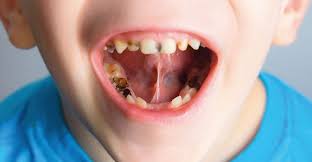
Dental caries, commonly known as tooth decay or cavities, is one of the most prevalent chronic diseases in children. It occurs when the hard surfaces of the teeth are damaged by acids produced by bacteria in the mouth. Here’s an overview of dental caries in children:

1. Causes of Dental Caries

  • Bacteria: The primary bacteria involved in tooth decay is Streptococcus mutans. These bacteria feed on sugars and starches left on the teeth, producing acids that erode tooth enamel.
  • Diet: Frequent consumption of sugary foods and drinks contributes significantly to the development of cavities. Sticky snacks like candy and dried fruit are particularly harmful.
  • Poor Oral Hygiene: Inadequate brushing and flossing allow plaque—a sticky film of bacteria—to build up on teeth, leading to decay.
  • Fluoride Deficiency: Fluoride strengthens tooth enamel, making it more resistant to acid attacks. Lack of fluoride, whether from water, toothpaste, or supplements, increases the risk of caries.

2. Signs and Symptoms

  • White Spots: Early caries may appear as white spots on the tooth surface, indicating demineralization.
  • Brown or Black Spots: As the decay progresses, the affected area may turn brown or black.
  • Sensitivity: Children may experience sensitivity to hot, cold, or sweet foods and drinks.
  • Toothache: As cavities deepen, they can cause pain, especially when chewing.
  • Visible Holes or Pits: Advanced decay can create holes or pits in the teeth.

3. Risk Factors

  • Age: Children are particularly susceptible to caries, especially those between ages 1 and 3.
  • Bottle-Feeding: Prolonged bottle-feeding, especially with sugary liquids like juice or milk at bedtime, can lead to “baby bottle tooth decay.”
  • Lack of Dental Care: Delayed or infrequent dental visits contribute to undetected and untreated cavities.
  • Family History: A history of dental caries in parents or siblings increases the risk in children.

4. Prevention Strategies

  • Good Oral Hygiene: Start brushing a child’s teeth as soon as they appear using a small amount of fluoride toothpaste. Floss once two teeth touch.
  • Regular Dental Check-Ups: Children should visit a dentist by their first birthday and continue with regular check-ups every six months.
  • Healthy Diet: Limit sugary snacks and drinks. Encourage water and a balanced diet rich in fruits, vegetables, and whole grains.
  • Fluoride Use: Ensure that children get adequate fluoride, either through water, toothpaste, or supplements as recommended by a dentist.
  • Dental Sealants: These protective coatings can be applied to the chewing surfaces of the back teeth to prevent decay.

5. Treatment Options

  • Fluoride Treatments: In the early stages of decay, fluoride treatments can help remineralize the teeth and reverse the decay process.
  • Fillings: Cavities that have progressed beyond the enamel will need to be filled with materials like composite resin, amalgam, or porcelain.
  • Crowns: In cases of extensive decay, a crown may be necessary to restore the tooth’s function and appearance.
  • Extractions: Severely decayed teeth that cannot be restored may need to be removed.

6. Long-Term Impact

  • Oral Health: Untreated dental caries can lead to pain, infection, and problems with eating, speaking, and learning.
  • General Health: Severe decay can spread infection to other parts of the body, leading to more serious health issues.
  • Dental Anxiety: Painful dental experiences in childhood can lead to dental anxiety or phobia later in life.

By maintaining good oral hygiene, promoting healthy dietary habits, and ensuring regular dental visits, parents can help prevent dental caries in their children and set the foundation for a lifetime of good oral health.


24-laxman-rekha-chalk-pack-of-24-24-lakshman-rekha-original-imags4hepzgbaqre.webp
23/Jul/2024

Ingesting any pesticide, including Laxman Rekha (which contains the active ingredient cypermethrin), is a serious health hazard and requires immediate medical attention. Here’s what you should do if a child ingests this substance:

Immediate Steps:
Do Not Induce Vomiting: Inducing vomiting can cause further harm.
Check for Symptoms: Symptoms of cypermethrin poisoning can include nausea, vomiting, abdominal pain, dizziness, headaches, and in severe cases, seizures and respiratory distress.
Rinse the Mouth: If the child is conscious, rinse their mouth with water to remove any remaining substance.
Call Emergency Services: Contact emergency medical services or take the child to the nearest emergency room immediately.
Contact Poison Control: Call your local poison control center for specific advice on what to do next.

Medical Treatment:
Activated Charcoal: In some cases, medical professionals may administer activated charcoal to help absorb the toxin.
Supportive Care: Treatment may include intravenous fluids, medications to control symptoms, and monitoring of vital signs.
Hospitalization: In severe cases, hospitalization may be necessary for ongoing care and monitoring.

Prevention:
Always store pesticides and other hazardous substances out of reach of children.
Use child-resistant packaging when available.
Educate children about the dangers of ingesting unknown substances.

Ingesting Laxman Rekha or any other pesticide is a medical emergency. Prompt action can save lives and prevent serious health complications.


IMG_0457.jpeg
15/Jul/2024

Seeing blood in a child’s stool can be alarming for any parent. While it’s not always a sign of a serious problem, it’s important to understand the possible causes and when to seek medical attention.

Common Causes

  1. Anal Fissures
    • Small tears in the skin around the anus, often caused by passing large or hard stools.
    • Blood is usually bright red and on the surface of the stool or toilet paper.
  2. Constipation
    • Straining and passing hard stools can lead to small tears or hemorrhoids.
    • May accompany anal fissures.
  3. Infections
    • Bacterial infections such as salmonella, shigella, or campylobacter can cause bloody diarrhea.
    • Accompanied by other symptoms like fever, abdominal pain, and diarrhea.
  4. Food Allergies
    • Allergies to cow’s milk or soy protein, especially in infants, can cause blood in the stool.
    • Often seen with symptoms like diarrhea, vomiting, or eczema.
  5. Inflammatory Bowel Disease (IBD)
    • Conditions like Crohn’s disease or ulcerative colitis can cause chronic inflammation in the digestive tract.
    • Symptoms include diarrhea, abdominal pain, weight loss, and fatigue.
  6. Intussusception
    • A serious condition where part of the intestine slides into an adjacent part, causing a blockage.
    • Symptoms include sudden, severe abdominal pain, vomiting, and “currant jelly” stools (stools mixed with blood and mucus).

What Parents Should Do

  1. Observe and Document
    • Note the color and amount of blood, and any accompanying symptoms like pain, diarrhea, or fever.
    • Keep track of the child’s diet, bowel habits, and any recent illnesses.
  2. Seek Medical Attention
    • Contact a pediatrician if blood in the stool persists, is accompanied by other symptoms (fever, abdominal pain, diarrhea), or if the child is very young.
    • Seek immediate medical care if there are signs of severe pain, significant bleeding, or symptoms of dehydration.
  3. Maintain Hydration and Diet
    • Ensure the child stays hydrated, especially if they are experiencing diarrhea.
    • A balanced diet with plenty of fiber can help prevent constipation.
  4. Follow Medical Advice
    • The pediatrician may recommend tests such as stool samples, blood tests, or imaging studies to determine the cause.
    • Treatment will depend on the underlying cause and may include dietary changes, medications, or in some cases, surgery.

Prevention and Care

  • Encourage a high-fiber diet and adequate fluid intake to prevent constipation.
  • Ensure proper hygiene to reduce the risk of infections.
  • Monitor for any signs of food allergies and discuss them with a pediatrician.

If you have any specific concerns or notice any unusual symptoms, it’s always best to consult with your pediatrician.


iron_deficiency_aneaemia_kids_750.jpg
03/Jul/2024

Iron is an essential mineral for children’s growth and development. It’s crucial for the production of hemoglobin, the protein in red blood cells that carries oxygen throughout the body. Here are key points parents should know about oral iron supplementation for children:

Why Iron is Important:

  1. Growth and Development: Iron supports proper growth and muscle development.
  2. Cognitive Function: Adequate iron levels are important for brain development and function.
  3. Immune System: Iron is essential for a healthy immune system.

Sources of Iron:

  • Dietary Sources: Red meat, poultry, fish, beans, lentils, tofu, spinach, and fortified cereals.
  • Supplements: Oral iron supplements may be recommended if dietary intake is insufficient or if a child is diagnosed with iron deficiency anemia.

Administration Tips:

  1. Dosage: Follow the pediatrician’s instructions carefully regarding dosage and duration.
  2. Timing: Best absorbed on an empty stomach, but can be taken with food to avoid stomach upset.
  3. Vitamin C: Enhances iron absorption; pair iron supplements with vitamin C-rich foods like oranges, strawberries, or tomatoes.
  4. Avoid Dairy: Calcium can inhibit iron absorption; avoid giving iron with milk or dairy products.
  5. Consistency: Stick to the prescribed regimen for the best results.

Potential Side Effects:

  • Gastrointestinal Issues: Constipation, nausea, vomiting, or diarrhea.
  • Discolored Stools: Dark or greenish stools are common and harmless.

Safety Considerations:

  • Storage: Keep iron supplements out of reach of children to prevent accidental overdose, which can be fatal.
  • Medical Supervision: Always use supplements under medical supervision; do not self-prescribe.

Monitoring and Follow-Up:

  • Regular blood tests to monitor iron levels and ensure effective treatment.
  • Follow-up visits with the pediatrician to adjust dosage if necessary and to monitor for side effects.

Ensuring that children get enough iron through diet or supplements is crucial for their overall health and development. Always consult a healthcare provider before starting any new supplement regimen.


IMG_0471.jpeg
12/Jun/2024

Exclusive breastfeeding means that an infant receives only breast milk and no other liquids or solids (not even water) except for vitamins, minerals, and medications as advised by healthcare providers. It’s recommended for the first six months of life because breast milk provides all the nutrients an infant needs for healthy growth and development. It not only provides nutrition but also immunity of the mother which gets transferred to the baby through breast milk. This will protect the little ones from various infections in the early months of life.


Dr. Vibin KV

Dr. Vibin KV is best pediatrician in south Delhi, near safdarjung enclave. He has over 14 years experience in managing sick children from newborn to 18 years of age.
Conditions treated and services provided at the clinic include:
1) Respiratory illnesses with cough or noisy breathing- bronchiolitis, bronchitis, pneumonia, wheezing, asthma, foreign body, Inhaler therapy etc.
2) Vaccinations in all age groups.
3) New Born baby care.
4) Diarrhea, dysentery, dehydration.
5) Liver and Kidney Failure.
6) Brain infection including meningitis, encephalitis etc.
7) Urinary problems like Urinary tract infection, poor urine stream, painful urine, tight skin of the penis (phimosis) or paraphimosis, redness or pus at penis area.
8) Nephrotic syndrome and other Kidney related problems.
9) Jaundice, Hepatitis.
10) Poor growth, short stature, overweight, obesity.
11) Childhood diabetes and other endocrine problems in children.
12) Colic in infants.
13) Constipation in infants and older children.
14) Skin conditions like allergies, eczema, dermatitis, herpes, Rashes, dry skin, Dandruff, white patch over face, hair fall, dry scalp, diaper rash, nail problems etc.
15) Hernia or hydrocele- swelling in umbilical, swelling in testis, swelling in inguinal region.
16) Fever and Infections (bacterial, viral, fungal etc)
17) Seizures - Epilepsy, Febrile seizures.
18) worm infestations
19) Fall from height, head injury, Trauma, fractures (bone injury) etc.
20) PICC line and central line insertions.
21) Day care and Inpatient care facilities.
22) Adolescent care - emotional, psychological health.
23) Autism, ADHD, hyperactivity, learning disabilities, Developmental delay.
24) Short surgical procedures needing IV sedation.

Copyright by Dr. VibinKV 2023. All rights reserved.