Oil massage in newborn – what parents need to know
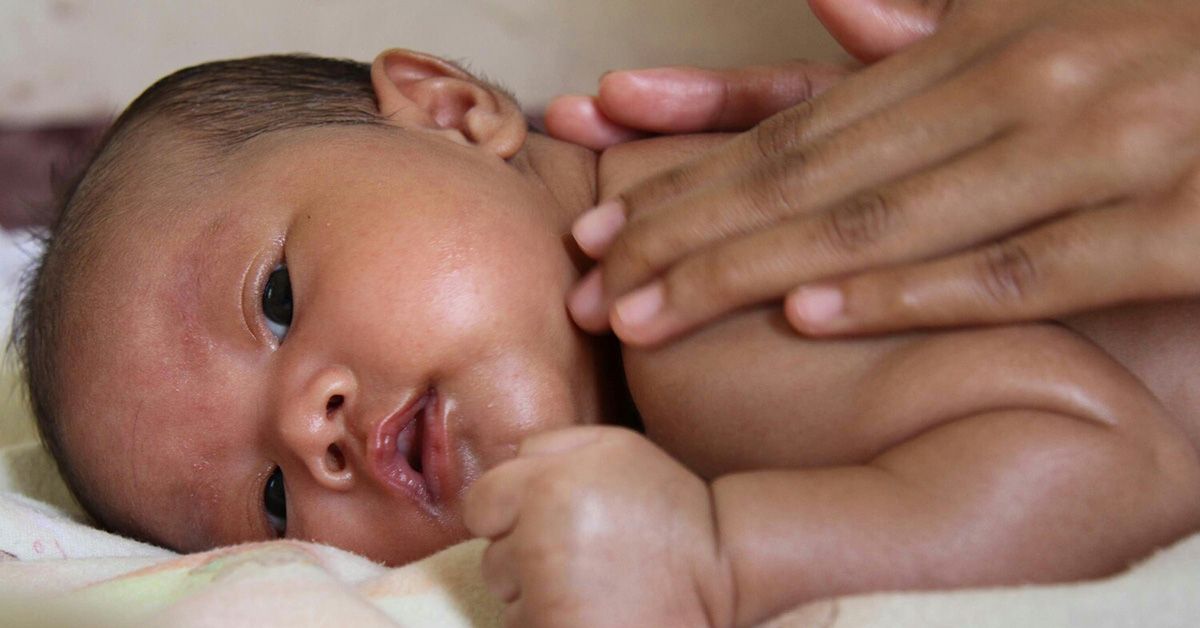
Oil massage in newborn – what parents need to know
Oil massage can be a pleasant bonding activity, but it is not essential for a newborn’s health. Newborn skin is delicate, so the choice of oil and gentle technique matter more than using a large amount. citeturn0search0
When to start
-
For a baby in the first few weeks, consider massage without oil, or ask your pediatrician first.
-
Wait until the baby is warm, alert, and calm—not immediately after feeding. A practical time is about 45–60 minutes after a feed.
-
Premature, low-birth-weight, hospitalized, or medically unwell babies should be massaged only with advice from their neonatologist or pediatrician.
Choosing an oil
If you use one, choose a plain, fragrance-free product formulated and tested for newborn skin. Some clinicians use coconut or sunflower oil, but recommendations vary by country and individual skin sensitivity. Apply only a thin layer.
Avoid:
-
Mustard oil: it may irritate the skin and cause contact dermatitis.
-
Olive oil: it may disrupt the developing skin barrier.
-
Essential oils, perfumes, herbal blends, and camphor-containing products.
-
Peanut or groundnut oil, particularly if there is a family history of allergy.
-
Products with unknown ingredients or oil collected from an unhygienic container.
The Indian Academy of Pediatrics specifically advises against mustard and olive oils because of irritation and skin-barrier effects. cite
How to massage safely
-
Wash your hands, remove rings, and keep your nails short.
-
Massage in a warm room, using warm—not hot—hands and a small quantity of oil.
-
Use slow, light strokes on the arms, legs, chest, back, and feet.
-
Do not press over the spine, joints, fontanelle, or abdomen.
-
Keep oil away from the eyes, nose, mouth, ears, palms, and soles; babies may suck their hands and feet.
-
Never massage a crying, sleepy, cold, feverish, or hungry baby.
-
Hold the baby securely and never leave them unattended on a bed or changing table.
-
Bathe afterward only if needed; use lukewarm water and a mild, fragrance-free cleanser.
Massage should stop if the baby becomes distressed. The umbilical stump should be kept clean and dry—do not put oil on it. cite
Patch-test first
Place a tiny amount on the arm or leg and observe for 24 hours. Do not use it if redness, swelling, bumps, scaling, or itching develops. Stop immediately if irritation appears; seek medical advice if there is facial swelling, breathing difficulty, widespread hives, blistering, or oozing.
Avoid oil massage over eczema, broken skin, infection, heat rash, or a diaper rash unless your pediatrician recommends a specific treatment. In hot weather or when prickly heat is present, oil can worsen blockage and irritation; the IAP advises avoiding it during active miliaria. cite
Bottom line: Gentle touch alone is perfectly safe and beneficial for bonding. If you choose oil, use a simple newborn-safe, fragrance-free product, patch-test it, use very little, and avoid traditional irritants such as mustard and olive oil.