menu trigger
menu trigger

Monday and Saturday 02:00 PM to 6 PM+91 87007 36656dr.vibinkv@gmail.com2nd Floor 1, Central Ave, Maharani Bagh Community Center,Block E, New Friends Colony. New Delhi, Delhi 110065
Services
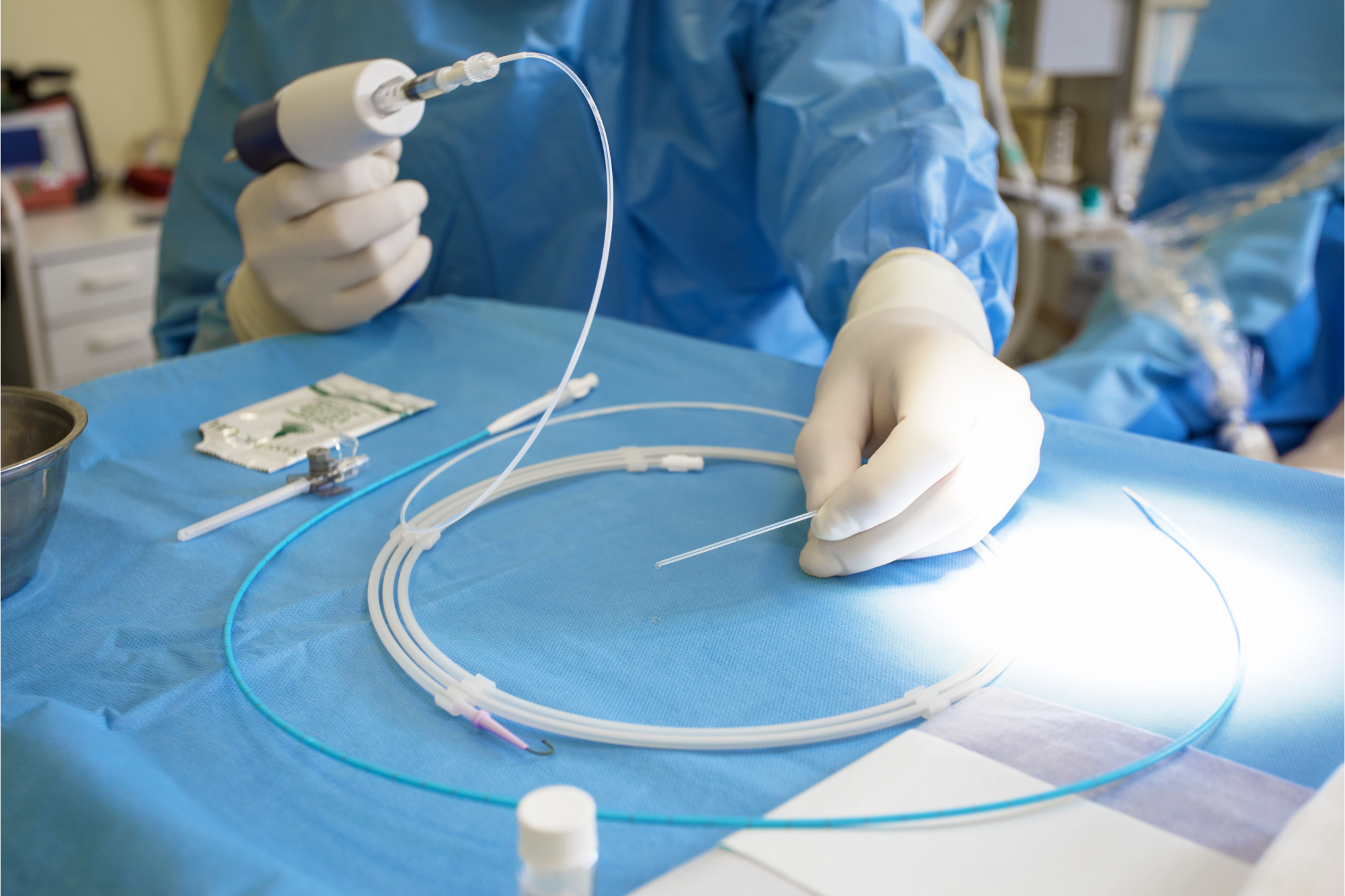
Parenteral IV Sedation For Any Procedures
Pediatric procedural sedation (PPS) given intravenously refers to techniques and medications used to minimize anxiety and pain associated with unpleasant or painful procedures. PPS is used when painful or uncomfortable procedures are unavoidable and incorporates physical, psychological, and pharmacologic interventions to minimize discomfort. In the pediatric population, PPS is not limited to major painful procedures requiring deeper levels of sedation. Common procedures, such as IV cannulation, venipuncture, urethral catheterization, and lumbar puncture, can be associated with significant distress or pain in pediatric patients. Many pediatric patients may require anxiolysis to have CT or MRI imaging, ultrasound, or echocardiography to ensure adequate imaging is obtained and minimize patient stress.
PPS can be performed skillfully in various settings and is not exclusively practiced by anesthesia practitioners but is now practiced routinely by other specialists, such as emergency and pediatric critical care clinicians, along with several nurse specialists.

Recent Posts

October 15, 2026
October 12, 2026