Medical Info For Parents

IMG_0041.jpeg
12/Apr/2025

Deworming is an important part of keeping children healthy, especially in areas where parasitic worm infections are common. Here’s what parents should know:


What Is Deworming?

Deworming is the process of getting rid of intestinal worms (like roundworms, hookworms, and whipworms) using medication. These parasites can affect a child’s growth, nutrition, and overall health.


Why Is Deworming Important?

  • Improves nutrition: Worms can steal nutrients from food.

  • Boosts immunity: Less parasite burden allows the immune system to function better.

  • Enhances growth and development: Helps prevent malnutrition and anemia.

  • Improves school performance: Fewer health issues mean better focus and attendance.


Common Signs Your Child Might Need Deworming

  • Frequent stomach pain

  • Unexplained weight loss

  • Fatigue or weakness

  • Itchy bottom (especially at night)

  • Visible worms in stool

  • Poor appetite


When Should Children Be Dewormed?

  • Routine deworming: WHO recommends:

    • Once every 6 months in high-risk areas

    • Ages 1 to 14 are the target group

  • As prescribed: If symptoms suggest a worm infestation, a doctor may recommend deworming even outside of the schedule.


Which Medicines Are Used?

  • Common medications: Albendazole and Mebendazole

  • Safe, single-dose treatments

  • Available as chewable tablets or syrups for younger kids


Is Deworming Safe?

  • Yes, it’s generally safe with few side effects (like mild nausea or abdominal discomfort).

  • Always follow the correct dosage for your child’s age and weight.

  • Give medication under medical supervision, especially for kids under 2 years old.


How to Prevent Worm Infections

  • Practice good hygiene: Handwashing with soap

  • Keep nails short and clean

  • Wash fruits and vegetables thoroughly

  • Drink clean, boiled or filtered water

  • Wear shoes outdoors

  • Avoid open defecation


IMG_0039.jpeg
25/Mar/2025

A poor appetite in toddlers can be concerning for parents, but it is often a common phase that many children go through. There can be several reasons why a toddler may have a poor appetite:

  1. Growth Spurts: Toddlers’ appetites often fluctuate depending on their growth rate. During periods of slower growth, they may not feel as hungry.

  2. Picky Eating: Around this age, children start to develop their food preferences and might refuse certain foods or become more selective.

  3. Teething: Teething can cause discomfort or pain in a toddler’s mouth, which may make eating less appealing.

  4. Illness or Infection: Minor illnesses like colds, stomach bugs, or ear infections can reduce a child’s desire to eat.

  5. Distractions: Toddlers can become easily distracted and may not focus on eating, especially if they are interested in playing or other activities.

  6. Emotional Factors: Changes in routine, stress, or emotional upset can affect appetite.

  7. Health Conditions: Rarely, an underlying health issue (e.g., food allergies, gastrointestinal problems, or anemia) might contribute to poor appetite.

What Can You Do?

  • Offer Small, Frequent Meals: Instead of three large meals, offer small meals and snacks throughout the day.

  • Create a Positive Mealtime Environment: Avoid pressure to eat, and make meals fun or interactive.

  • Be Patient with Picky Eating: Offer a variety of foods and respect their preferences, but keep introducing new options.

  • Monitor for Signs of Illness: If there are other signs like fever, vomiting, or a lack of energy, it’s important to consult a pediatrician.

  • Consult a Pediatrician: If the poor appetite persists or is accompanied by other concerning symptoms, it’s always best to seek professional advice.

If you’re worried or the lack of appetite persists, it’s worth discussing with your pediatrician to rule out any underlying health concerns.


IMG_0033.jpeg
10/Feb/2025

Infant reflux, also known as gastroesophageal reflux (GER), is common in babies and usually not a cause for concern. Here’s what parents should know:

1. What Is Infant Reflux?

Reflux occurs when stomach contents flow back into the esophagus, causing spitting up. This happens because the muscle that keeps food in the stomach (the lower esophageal sphincter) is still developing in infants.

2. Signs of Reflux in Babies

  • Frequent spitting up or vomiting
  • Coughing or hiccups after feeding
  • Irritability or crying, especially after eating
  • Arching the back or stiffening during feeding
  • Difficulty sleeping or discomfort when lying down
  • Poor weight gain (in more severe cases)

3. When Is Reflux a Problem?

Most babies outgrow reflux by 12 to 18 months. However, Gastroesophageal Reflux Disease (GERD) is a more serious condition that requires medical attention. Signs of GERD include:

  • Poor weight gain or weight loss
  • Frequent forceful vomiting
  • Blood in vomit or stool
  • Chronic cough, wheezing, or difficulty breathing
  • Extreme fussiness or refusal to eat

4. Tips to Manage Mild Reflux

  • Feed smaller amounts more frequently – Large feedings can overwhelm a baby’s stomach.
  • Burp often – Burp your baby every few minutes during and after feeding.
  • Keep baby upright – Hold your baby upright for 20–30 minutes after feeding.
  • Use a proper feeding position – Ensure the baby is not lying flat while feeding.
  • Try thickened feeds – If advised by a doctor, thickening formula or breast milk with a small amount of rice cereal may help.
  • Check for formula or food allergies – Some babies react to cow’s milk protein or other allergens.

5. When to See a Doctor

Consult a pediatrician if your baby has:

  • Frequent projectile vomiting
  • Trouble gaining weight
  • Signs of discomfort during feeding
  • Breathing difficulties
  • Persistent cough or wheezing

6. Treatment Options

For severe cases, doctors may recommend medication to reduce stomach acid or, in rare cases, further medical interventions.

7. The Good News

Most babies outgrow reflux as their digestive system matures, usually by their first birthday. Managing feedings and positioning can significantly help reduce symptoms.


IMG_0031.jpeg
01/Feb/2025

Bottle feeding is not advised for any infant or a child as it can be a source of infection. However, it is a common practice as feeding is comfortable for the child and a parent. In such cases, it would be advisable to follow certain precautions and maintain an appropriate feeding practice. It can be used to give formula or expressed breast milk. Here’s what parents need to know:

1. Choosing the Right Bottle and Nipple

  • Select a BPA-free bottle with a slow-flow nipple for newborns.
  • Anti-colic bottles can help reduce gas and spit-up.
  • Try different nipple shapes and flow rates if your baby struggles with feeding.

2. Preparing the Formula Safely

  • Use only infant formula recommended by your pediatrician.
  • Follow the instructions on the formula packaging for proper mixing.
  • Use boiled, cooled water if needed, and ensure all equipment is sterilized.
  • Never dilute formula beyond instructions, as it can be unsafe for the baby.

3. Safe Bottle-Feeding Practices

  • Hold your baby in a semi-upright position to prevent choking.
  • Always support the bottle and avoid propping it up.
  • Let the baby control the pace of feeding—watch for signs of fullness.
  • Burp your baby after every feeding to reduce gas.

4. How Often and How Much to Feed

  • Newborns usually feed every 2–3 hours, with about 1.5–3 ounces per feeding.
  • By 2–4 months, they may take 4–6 ounces per feeding, every 3–4 hours.
  • Watch for hunger cues like sucking motions, hand-to-mouth movements, and fussiness.

5. Signs of Feeding Problems

  • Persistent spit-up or vomiting may indicate reflux or intolerance.
  • Gassiness, constipation, or diarrhea could mean formula sensitivity.
  • Excessive fussiness during feeding might indicate nipple flow issues or digestive discomfort.

6. Cleaning and Storage

  • Wash bottles and nipples with hot, soapy water after every use.
  • Sterilize bottles before the first use and regularly if your baby is under 3 months.
  • Prepared formula should be refrigerated and used within 24 hours.
  • Discard any leftover milk or formula after feeding—never reheat or reuse.

7. Weaning from the Bottle

  • Start introducing a sippy cup around 6 months.
  • Begin weaning off the bottle between 12–18 months to prevent tooth decay.

IMG_0457.jpeg
15/Jul/2024

Seeing blood in a child’s stool can be alarming for any parent. While it’s not always a sign of a serious problem, it’s important to understand the possible causes and when to seek medical attention.

Common Causes

  1. Anal Fissures
    • Small tears in the skin around the anus, often caused by passing large or hard stools.
    • Blood is usually bright red and on the surface of the stool or toilet paper.
  2. Constipation
    • Straining and passing hard stools can lead to small tears or hemorrhoids.
    • May accompany anal fissures.
  3. Infections
    • Bacterial infections such as salmonella, shigella, or campylobacter can cause bloody diarrhea.
    • Accompanied by other symptoms like fever, abdominal pain, and diarrhea.
  4. Food Allergies
    • Allergies to cow’s milk or soy protein, especially in infants, can cause blood in the stool.
    • Often seen with symptoms like diarrhea, vomiting, or eczema.
  5. Inflammatory Bowel Disease (IBD)
    • Conditions like Crohn’s disease or ulcerative colitis can cause chronic inflammation in the digestive tract.
    • Symptoms include diarrhea, abdominal pain, weight loss, and fatigue.
  6. Intussusception
    • A serious condition where part of the intestine slides into an adjacent part, causing a blockage.
    • Symptoms include sudden, severe abdominal pain, vomiting, and “currant jelly” stools (stools mixed with blood and mucus).

What Parents Should Do

  1. Observe and Document
    • Note the color and amount of blood, and any accompanying symptoms like pain, diarrhea, or fever.
    • Keep track of the child’s diet, bowel habits, and any recent illnesses.
  2. Seek Medical Attention
    • Contact a pediatrician if blood in the stool persists, is accompanied by other symptoms (fever, abdominal pain, diarrhea), or if the child is very young.
    • Seek immediate medical care if there are signs of severe pain, significant bleeding, or symptoms of dehydration.
  3. Maintain Hydration and Diet
    • Ensure the child stays hydrated, especially if they are experiencing diarrhea.
    • A balanced diet with plenty of fiber can help prevent constipation.
  4. Follow Medical Advice
    • The pediatrician may recommend tests such as stool samples, blood tests, or imaging studies to determine the cause.
    • Treatment will depend on the underlying cause and may include dietary changes, medications, or in some cases, surgery.

Prevention and Care

  • Encourage a high-fiber diet and adequate fluid intake to prevent constipation.
  • Ensure proper hygiene to reduce the risk of infections.
  • Monitor for any signs of food allergies and discuss them with a pediatrician.

If you have any specific concerns or notice any unusual symptoms, it’s always best to consult with your pediatrician.


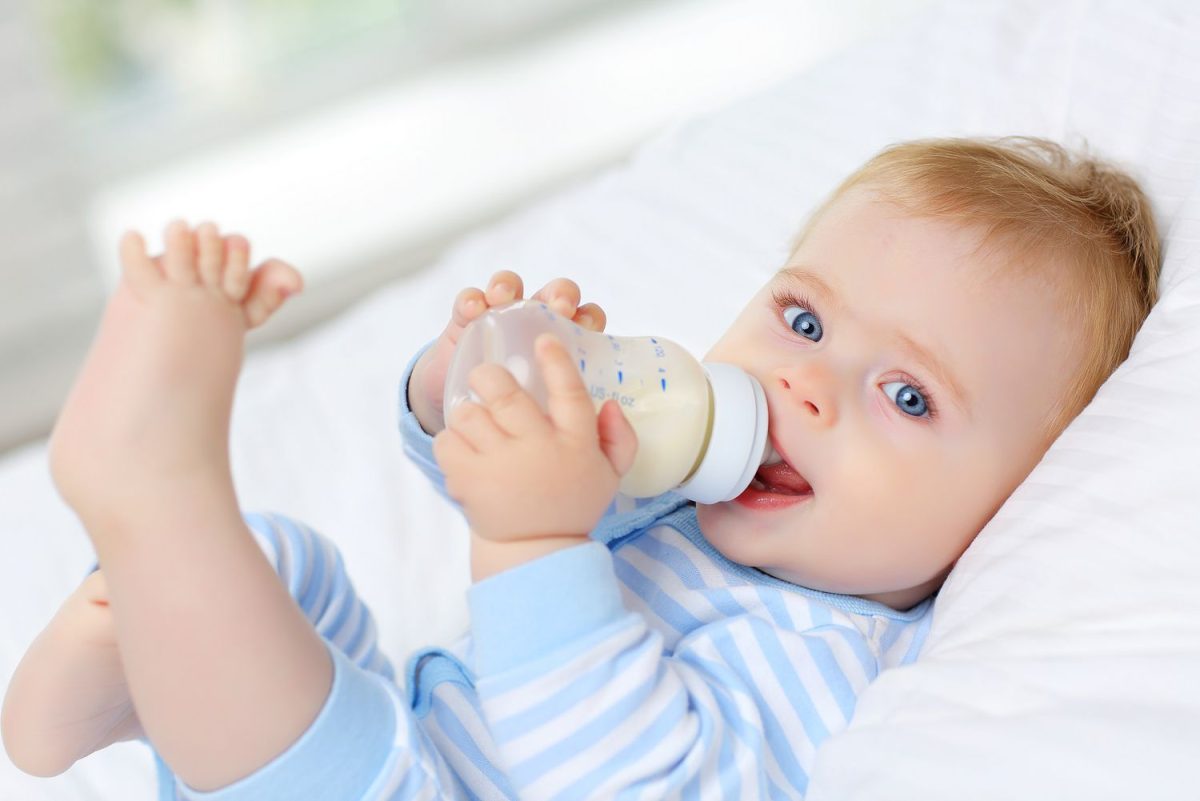
shutterstock_1187290291-a8dd877d6ac248f68b13c42758dd693a-1200x801.jpg
01/Jun/2024

Giving too much milk to an infant can lead to several problems, impacting their health and development. Here are some key issues:

1. Nutritional Imbalance

  • Iron Deficiency Anemia: Excessive milk consumption, especially cow’s milk, can interfere with iron absorption and may lead to anemia.
  • Poor Appetite for Solids: If an infant drinks too much milk, they might feel full and show less interest in eating solid foods, leading to a lack of essential nutrients that are not present in milk alone.

2. Gastrointestinal Issues

  • Constipation: High milk intake can cause constipation in some infants.
  • Milk Allergy or Intolerance: Overconsumption of milk can exacerbate symptoms in infants who have a milk allergy or lactose intolerance, causing discomfort and digestive issues.

3. Growth and Development Concerns

  • Imbalanced Growth: Relying too much on milk for calories can result in poor weight gain or even obesity, as the child might not receive a balanced diet.
  • Delayed Development: Insufficient intake of solid foods can delay the development of chewing skills and oral motor function.

4. Dental Health

  • Tooth Decay: Prolonged exposure to milk sugars, especially if the infant drinks milk from a bottle while lying down or falls asleep with a bottle, can increase the risk of tooth decay.

IMG_0426.jpeg
11/Nov/2023

Loose stools in Children also termed as acute gastroenteritis is a very common problem that small children and toddlers face. It is characterised by loose watery stools, sometime leading to rash in the anal region. As parents managing child with loose stools at home can be very tiresome. However, properly managing and monitoring the child is most important in smooth recovery of the child. Following points to be kept in mind with respect to loose stools occurring in your loved ones :

1. Most loose stools in Children occurs due to viral infection and antibiotics have NO ROLE in its treatment.

2. Maintaining adequate hydration is the most important thing in such situation. Complications can only rise if hydration is not maintained properly.

3. Liquids in any form – water, ors, lime juice, tender coconut water, milk, soups etc should be offered at a regular basis especially if loose watery stools occurs excessively in order to prevent dehydration.

4. ORS when prepared, refer to the instructions given on the packet and mix accordingly. Improper mixing of ORS powder can lead to more problems. Excess and unwanted ORS usage can lead to more sodium in the body which might lead to further complications.

5. Keep a watch on child’s urine output and if any reduction in urine output is noticed, reach out to your pediatrician immediately.

6. If you notice any blood or black coloured stools, consult your pediatrician immediately.

7. Poor oral intake, lethargy, excess sleepiness, dry mouth, sunken eyes are few danger signs to be looked out for and consult your doctor immediately.


Dr. Vibin KV

Dr. Vibin KV is best pediatrician in south Delhi, near safdarjung enclave. He has over 14 years experience in managing sick children from newborn to 18 years of age.
Conditions treated and services provided at the clinic include:
1) Respiratory illnesses with cough or noisy breathing- bronchiolitis, bronchitis, pneumonia, wheezing, asthma, foreign body, Inhaler therapy etc.
2) Vaccinations in all age groups.
3) New Born baby care.
4) Diarrhea, dysentery, dehydration.
5) Liver and Kidney Failure.
6) Brain infection including meningitis, encephalitis etc.
7) Urinary problems like Urinary tract infection, poor urine stream, painful urine, tight skin of the penis (phimosis) or paraphimosis, redness or pus at penis area.
8) Nephrotic syndrome and other Kidney related problems.
9) Jaundice, Hepatitis.
10) Poor growth, short stature, overweight, obesity.
11) Childhood diabetes and other endocrine problems in children.
12) Colic in infants.
13) Constipation in infants and older children.
14) Skin conditions like allergies, eczema, dermatitis, herpes, Rashes, dry skin, Dandruff, white patch over face, hair fall, dry scalp, diaper rash, nail problems etc.
15) Hernia or hydrocele- swelling in umbilical, swelling in testis, swelling in inguinal region.
16) Fever and Infections (bacterial, viral, fungal etc)
17) Seizures - Epilepsy, Febrile seizures.
18) worm infestations
19) Fall from height, head injury, Trauma, fractures (bone injury) etc.
20) PICC line and central line insertions.
21) Day care and Inpatient care facilities.
22) Adolescent care - emotional, psychological health.
23) Autism, ADHD, hyperactivity, learning disabilities, Developmental delay.
24) Short surgical procedures needing IV sedation.

Copyright by Dr. VibinKV 2023. All rights reserved.