


Identifying infections in newborns can be challenging because their immune systems are not fully developed, and their symptoms may not always be obvious. However, there are several key signs parents can watch for to detect potential infections early. Here are some tips to help:
1. Watch for Fever
- Fever (or low temperature): A temperature above 100.4°F (38°C) or below 97.5°F (36.4°C) could indicate an infection. In newborns, even a low fever can be a sign of serious illness and in most cases fever might not be present.
2. Monitor Feeding Habits
- Difficulty feeding: If your baby suddenly loses interest in feeding or has difficulty breastfeeding or bottle-feeding, this may be a red flag.
- Vomiting or frequent spit-ups: Though some spit-up is normal, persistent vomiting can be a sign of an infection, especially if it’s accompanied by other symptoms.
3. Observe Breathing Patterns
- Labored or rapid breathing: Fast breathing (more than 60 breaths per minute), grunting sounds, or pauses in breathing may indicate respiratory distress or infection.
4. Check for Changes in Skin Color
- Pale, bluish, or mottled skin: This can be a sign of poor oxygenation or circulation, possibly due to infection.
- Rashes: While some newborn rashes are normal, a sudden onset of an unusual rash, especially one that doesn’t fade with pressure, could signal an infection.
5. Track Diaper Changes
- Decreased urination: Fewer wet diapers than usual may indicate dehydration, which could be a sign of an infection.
- Diarrhea: Watery, foul-smelling stools or a sudden increase in stool frequency might indicate a gastrointestinal infection.
6. Look for Behavioral Changes
- Excessive fussiness or irritability: While crying is normal for newborns, constant crying, especially if it’s out of the ordinary, may signal discomfort from an infection.
- Lethargy or decreased activity: If your baby seems unusually sleepy, weak, or difficult to wake, this could indicate an infection.
7. Check the Umbilical Cord or Circumcision Site
- Redness, swelling, or discharge: Any sign of infection around the umbilical cord stump or circumcision site (if applicable), such as pus or a bad smell, needs medical attention.
8. Monitor Jaundice
- Prolonged or worsening jaundice: Yellowing of the skin and eyes is common in newborns but should improve after a few days. If it worsens or persists, it could indicate an underlying infection or liver issue.
9. Unusual Crying Sounds
- High-pitched or weak cry: A cry that sounds different from your baby’s normal cry may indicate discomfort or illness.
10. Seek Medical Attention
- Trust your instincts: If something doesn’t seem right, it’s always best to consult your pediatrician. Newborn infections can escalate quickly, so early detection and treatment are critical.
If you observe any of these signs, particularly in combination, it’s essential to contact your pediatrician promptly.

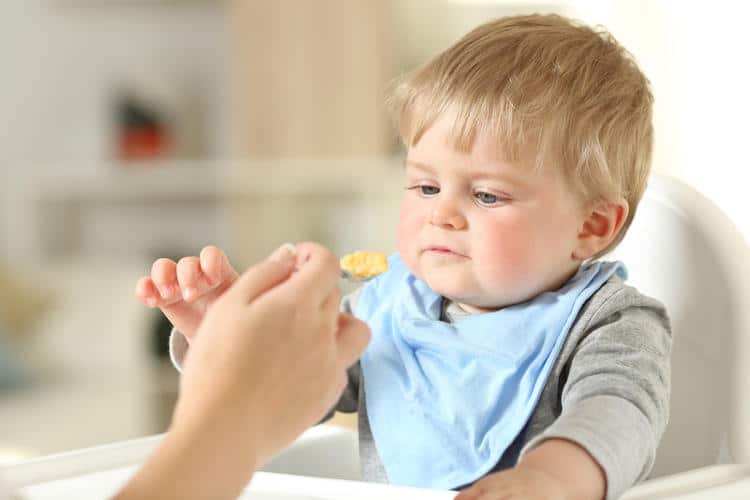
Introducing a weaning diet, also known as complementary feeding, is an important step in an infant’s development. Here’s a comprehensive guide on how to initiate a weaning diet in infants:
1. Timing
- Age: The ideal age to start introducing solid foods is around 6 months. However, some infants might show readiness slightly earlier, between 4-6 months. It’s essential to ensure your baby is ready before starting.
2. Signs of Readiness
- Head control: Your baby should be able to hold their head up and sit with minimal support.
- Interest in food: Shows curiosity about what you’re eating, reaching for food or opening their mouth when offered a spoon.
- Ability to chew: Even without teeth, your baby should be able to mash food with their gums.
3. First Foods
- Start with single-ingredient foods: This helps in identifying any potential allergies or intolerances. Good first foods include:
- Iron-fortified infant cereals (mixed with breast milk or formula)
- Pureed fruits (bananas, apples, mango, pears)
- Pureed vegetables (carrots, sweet potatoes, peas)
4. Introducing Solids
- Consistency: Start with very thin and smooth purees and gradually thicken them as your baby gets used to the textures.
- Small portions: Offer a few spoon fulls once or twice a day.
- Frequency: Begin with one meal per day and gradually increase to 2-3 meals as your baby becomes more comfortable with eating.
5. Allergenic Foods
- Introduce early: Contrary to previous beliefs, introducing allergenic foods early can actually help prevent allergies. Common allergenic foods include:
- Peanuts
- Eggs
- Dairy
- Wheat
- Soy
- Fish and shellfish
- Method: Introduce one allergenic food at a time, waiting 3-5 days before introducing another, to monitor any reactions.
6. Variety and Texture
- Progression: Move from purees to mashed foods and then to soft finger foods as your baby’s chewing and motor skills develop.
- Variety: Offer a variety of foods to expose your baby to different flavors and textures. This also ensures they get a wide range of nutrients.
7. Safety Tips
- Choking hazards: Avoid foods that pose a choking risk, such as whole grapes, nuts, popcorn, and hard candies.
- Supervision: Always supervise your baby while they are eating.
- Hygiene: Ensure utensils and food preparation areas are clean to prevent foodborne illnesses.
8. Responsive Feeding
- Cues: Pay attention to your baby’s hunger and fullness cues. Allow them to eat at their own pace and stop when they indicate they are full.
- Patience: Some foods might be rejected initially. It can take several attempts before a baby accepts a new food.
9. Drinks
- Breast milk or formula: Continue offering breast milk or formula as the primary source of nutrition until at least 12 months.
- Water: Small amounts of water can be introduced around 6 months, especially with meals.
- Avoid: Avoid giving juice, or sugary drinks to infants under 12 months.
10. Creating a Routine
- Consistent mealtimes: Establish a routine that includes regular mealtimes, which helps babies develop healthy eating habits.
- Family meals: Whenever possible, include your baby in family meals to encourage social interaction and mimicry of eating behaviors.
11. Consultation
- Pediatrician: Always consult with a pediatrician or a healthcare provider if you have any concerns about your baby’s diet or if you suspect food allergies.
Summary
Initiating a weaning diet is a gradual process that involves patience and attentiveness to your baby’s needs and responses. By providing a balanced variety of foods and textures, you help your baby develop healthy eating habits and nutritional preferences that will last a lifetime.
Iron is an essential mineral for children’s growth and development. It’s crucial for the production of hemoglobin, the protein in red blood cells that carries oxygen throughout the body. Here are key points parents should know about oral iron supplementation for children:
Why Iron is Important:
- Growth and Development: Iron supports proper growth and muscle development.
- Cognitive Function: Adequate iron levels are important for brain development and function.
- Immune System: Iron is essential for a healthy immune system.
Sources of Iron:
- Dietary Sources: Red meat, poultry, fish, beans, lentils, tofu, spinach, and fortified cereals.
- Supplements: Oral iron supplements may be recommended if dietary intake is insufficient or if a child is diagnosed with iron deficiency anemia.

Iron is an essential mineral for toddlers as it supports their growth and development. Here are some iron-rich foods that you can include in your toddler’s diet:
- Lean meats: Lamb, pork, sea food and poultry (such as chicken) are excellent sources of iron. Ensure that the meat is cooked well and cut into small, manageable pieces for your toddler.
- Beans and legumes: Kidney beans, chickpeas, lentils, and black beans are great sources of iron. You can offer them in various forms like soups, stews, or mashed and seasoned as a side dish.
- Iron-fortified cereals: Look for iron-fortified breakfast cereals specifically made for toddlers. These cereals are usually enriched with iron and other essential nutrients.
- Dried fruits: Raisins, apricots, and prunes are iron-rich dried fruits that can be given to toddlers. Ensure that they are cut into small, bite-sized pieces to prevent choking hazards.
- Leafy green vegetables: Spinach, kale, and broccoli are rich in iron. Steam or sauté them until they are tender and serve them as a side dish or incorporate them into soups, stews, or pasta dishes.
- Eggs: Egg yolks are a good source of iron. Scrambled eggs, boiled eggs, or omelets can be a nutritious addition to your toddler’s diet.
- Fortified bread and grains: Look for bread and grains that are enriched with iron. Whole grain bread, fortified pasta, and fortified rice are some options to consider.
Remember that iron absorption is enhanced when paired with vitamin C-rich foods. So, you can serve iron-rich foods with fruits like oranges, strawberries, or tomatoes, which are high in vitamin C.
If you have concerns about your toddler’s iron intake, it’s always a good idea to consult with your pediatrician who can provide personalized advice based on your child’s specific needs.
Recent Posts

July 4, 2026

June 22, 2026