Medical Info For Parents

IMG_0066.jpeg
06/Aug/2025

Excess ORS (Oral Rehydration Solution) Intake in Children – What Parents Need to Be Cautious About

Oral Rehydration Solution (ORS) is lifesaving in cases of dehydration due to diarrhea or vomiting. However, excessive intake without proper need or guidance can lead to complications. Here’s what parents should know:


⚠️ Why Too Much ORS Can Be Harmful

  1. Electrolyte Imbalance

    • ORS contains salts like sodium and potassium. Too much can cause hypernatremia (high sodium levels), especially in infants and small children.

  2. Overhydration (Water Overload)

    • Giving large volumes of ORS unnecessarily may lead to fluid overload, which can burden the kidneys and, in rare cases, cause swelling (edema) or low sodium (hyponatremia) if diluted improperly.

  3. Masking Ongoing Illness

    • Relying solely on ORS without addressing underlying causes (e.g., infections) can delay proper medical treatment.


When and How to Use ORS Safely

  • Only Use When Needed:
    Primarily during diarrhea, vomiting, or signs of dehydration (dry mouth, sunken eyes, decreased urine, lethargy).

  • Follow Age-Appropriate Dosages:

    • Infants (<1 year): ~50–100 ml after each loose stool

    • Children (1–5 years): ~100–200 ml after each loose stool

    • Older children: As much as they want, but spaced out gradually.

  • Do Not Force ORS:
    Let the child sip slowly. Forcing large amounts can cause vomiting.

  • Do Not Use as a Routine Drink:
    ORS is not a substitute for water, juice, or milk in a healthy child.

  • Avoid Diluting Commercial ORS:
    Mixing it incorrectly (too much water or too little) changes its effectiveness and safety.


🚨 When to Seek Medical Help

  • If your child refuses to drink

  • Vomits everything, including ORS

  • Shows worsening signs of dehydration

  • Has blood in stools, high fever, or drowsiness

  • If you’re unsure about how much ORS to give


💡 Summary for Parents:

  • Use ORS wisely—only when there’s fluid loss

  • Stick to the recommended amount based on age

  • Do not overuse or make it a routine drink

  • Monitor for signs of overhydration or worsening condition

If in doubt, always consult your pediatrician.


IMG_0007.jpeg
11/Nov/2024

Frequent urination in toddlers can have various causes, and it’s important to pay attention to any accompanying symptoms. Here are some common reasons:

  1. High Fluid Intake: If your toddler is drinking more fluids than usual, they may urinate more frequently. This is usually harmless and can be adjusted by limiting fluid intake before bedtime or during certain times of the day.
  2. Bladder Infection (UTI): A urinary tract infection can cause frequent urination, often accompanied by discomfort or pain, changes in urine color (e.g., cloudy or blood-tinged), and sometimes fever. If you suspect a UTI, a doctor can perform tests to confirm it.
  3. Diabetes: Unexplained frequent urination, especially if combined with excessive thirst, could be a sign of diabetes. This is rare in toddlers but can be tested with blood work.
  4. Constipation: Constipation can put pressure on the bladder, leading to frequent urination. If your toddler is also struggling with bowel movements, this may be the cause.
  5. Normal Development: Some toddlers just have smaller bladders or may still be adjusting to their potty training routines, leading to more frequent trips to the bathroom.
  6. Psychological Factors: Stress or anxiety (e.g., starting preschool or a change in routine) can sometimes cause frequent urination.

If you’re concerned about the frequency of urination or if your toddler shows signs of discomfort, pain, or other symptoms, it’s best to consult a pediatrician for further evaluation.


IMG_0427.jpeg
23/Nov/2023

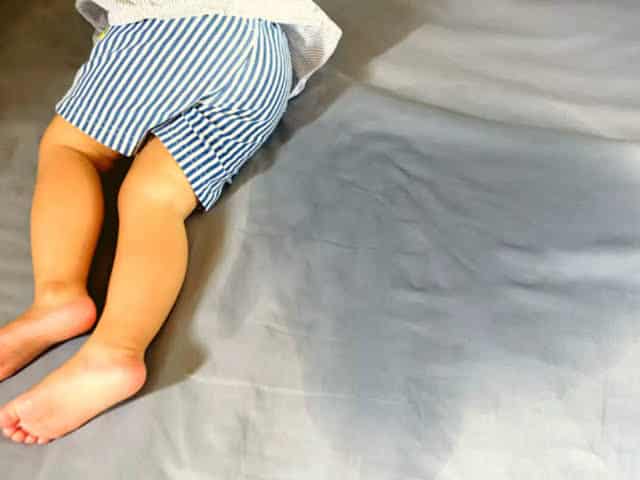
Preventive measures for nocturnal enuresis (bedwetting) in children may include:

  1. Fluid management: Encourage adequate fluid intake during the day but limit it closer to bedtime. No water after 7pm or 8 pm.
  2. Toilet routine: Establish a consistent bedtime toilet routine to empty the bladder before sleep.
  3. Bedtime routine: Ensure a calm and comfortable bedtime environment to reduce anxiety.
  4. Avoiding irritants: Limit caffeinated and sugary drinks, which can irritate the bladder.
  5. Scheduled voiding: Encourage regular bathroom breaks during the day to prevent a full bladder at night.
  6. Night lights: Install a night light to help the child navigate to the bathroom if needed.
  7. Positive reinforcement: Use positive reinforcement and rewards for dry nights.
  8. Bedwetting alarms: Consider using a bedwetting alarm to help the child wake up when they start to wet the bed. This is not available easily. However, parents can put an alarm and wake up during the usual time of bed wetting and encourage child to empty bladder. This process can be done for atleast 2 to 3 weeks to ensure child’s routine is maintained and bet wetting episodes subside.

It’s essential to consult your pediatrician for personalized advice based on the child’s specific situation.


Dr. Vibin KV

Dr. Vibin KV is best pediatrician in south Delhi, near safdarjung enclave. He has over 14 years experience in managing sick children from newborn to 18 years of age.
Conditions treated and services provided at the clinic include:
1) Respiratory illnesses with cough or noisy breathing- bronchiolitis, bronchitis, pneumonia, wheezing, asthma, foreign body, Inhaler therapy etc.
2) Vaccinations in all age groups.
3) New Born baby care.
4) Diarrhea, dysentery, dehydration.
5) Liver and Kidney Failure.
6) Brain infection including meningitis, encephalitis etc.
7) Urinary problems like Urinary tract infection, poor urine stream, painful urine, tight skin of the penis (phimosis) or paraphimosis, redness or pus at penis area.
8) Nephrotic syndrome and other Kidney related problems.
9) Jaundice, Hepatitis.
10) Poor growth, short stature, overweight, obesity.
11) Childhood diabetes and other endocrine problems in children.
12) Colic in infants.
13) Constipation in infants and older children.
14) Skin conditions like allergies, eczema, dermatitis, herpes, Rashes, dry skin, Dandruff, white patch over face, hair fall, dry scalp, diaper rash, nail problems etc.
15) Hernia or hydrocele- swelling in umbilical, swelling in testis, swelling in inguinal region.
16) Fever and Infections (bacterial, viral, fungal etc)
17) Seizures - Epilepsy, Febrile seizures.
18) worm infestations
19) Fall from height, head injury, Trauma, fractures (bone injury) etc.
20) PICC line and central line insertions.
21) Day care and Inpatient care facilities.
22) Adolescent care - emotional, psychological health.
23) Autism, ADHD, hyperactivity, learning disabilities, Developmental delay.
24) Short surgical procedures needing IV sedation.

Copyright by Dr. VibinKV 2023. All rights reserved.