Medical Info For Parents

IMG_0058.jpeg
13/Jun/2025

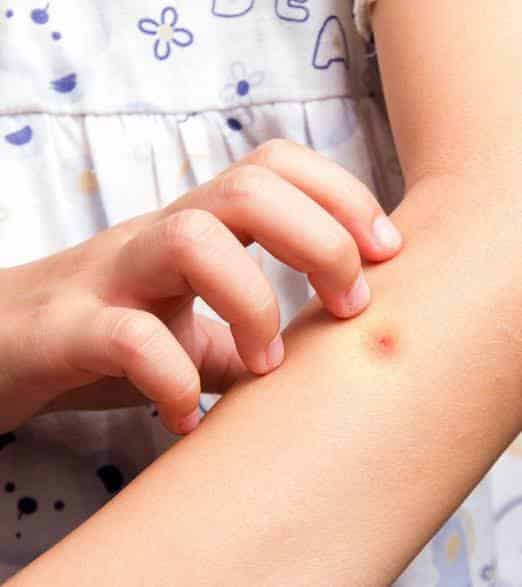
Ticks are small, spider-like parasites that attach to the skin and feed on blood. While most tick bites are harmless, some can transmit serious diseases. Here’s a guide to help parents understand what to do if their child gets a tick bite and how to prevent future bites.


1. Identifying a Tick Bite

  • Often painless at first.

  • May leave a small red bump, similar to a mosquito bite.

  • You may find the tick still attached to your child’s skin.


2. What to Do If You Find a Tick on Your Child

  1. Remove the tick promptly:

    • Use fine-tipped tweezers.

    • Grasp the tick as close to the skin as possible.

    • Pull upward with steady, even pressure—don’t twist or jerk.

    • Avoid squeezing or crushing the tick’s body.

  2. Clean the area:

    • Wash the bite site with soap and water.

    • Apply antiseptic.

  3. Save the tick (optional):

    • Place it in a sealed container or zip-lock bag.

    • This can help identify the type if symptoms develop.


3. Monitor for Symptoms

Watch for signs of tick-borne illnesses in the days to weeks following a bite:

  • Red rash or bull’s-eye rash (especially in Lyme disease)

  • Fever or chills

  • Fatigue

  • Headache

  • Muscle or joint aches

  • Swollen lymph nodes

Seek medical care if any of these symptoms appear, especially after a tick bite.


4. When to See a Doctor

  • You can’t remove the entire tick.

  • A rash or flu-like symptoms develop.

  • You live in or have visited an area with high rates of tick-borne illnesses.

  • Your child appears very unwell after a bite.


5. Prevention Tips

  • Use tick repellents (with DEET or picaridin) on skin and permethrin on clothing.

  • Dress children in long sleeves and pants, tucking pants into socks.

  • Avoid brushy or wooded areas, especially in spring and summer.

  • Check your child (and pets) for ticks after outdoor play—especially the scalp, ears, armpits, groin, and behind the knees.

  • Shower within 2 hours of coming indoors.


6. Tick Removal Myths to Avoid

  • Don’t use petroleum jelly, nail polish, or a hot match to remove a tick—these methods can irritate the tick and increase disease risk.


If you’re in a region known for Lyme disease or other tick-related illnesses, it’s worth discussing with your pediatrician about local risks and whether prophylactic antibiotics are needed after a bite.

IMG_0030.jpeg
28/Jan/2025

Eye discharge in infants is a common concern for parents. Here’s what you need to know about potential causes, symptoms to watch for, and when to seek medical advice:

Causes of Eye Discharge in Infants

  1. Blocked Tear Duct (Dacryostenosis):
    • Common in newborns because tear ducts may not fully open at birth.
    • Symptoms include watery eyes and yellow or white discharge.
    • Usually resolves on its own by 6-12 months.
  2. Conjunctivitis (Pink Eye):
    • Viral: May accompany a cold and cause watery discharge.
    • Bacterial: Produces thick yellow or green discharge, often with crusting.
    • Allergic: Less common in infants, associated with itching and watery discharge.
  3. Eye Infection from Delivery:
    • Newborns may contract an eye infection (ophthalmia neonatorum) during delivery if exposed to bacteria or viruses like gonorrhea or chlamydia. This requires urgent medical attention.
  4. Foreign Body or Irritation:
    • Dust, hair, or other irritants can cause redness and watery discharge.
  5. Dry Eye or Other Conditions:
    • Less common but possible.

When to Seek Medical Attention

  • Discharge is thick, yellow, green, or foul-smelling.
  • Eyes are red, swollen, or baby seems in pain.
  • Discharge persists for more than a few days.
  • Baby has a fever or other signs of illness.
  • Eye infection is suspected after delivery.

What Parents Can Do at Home

  1. Clean the Eyes Gently:
    • Use a warm, damp cotton ball or soft cloth to wipe away discharge.
    • Always wipe from the inside corner outward to avoid spreading infection.
  2. Massage for Blocked Tear Ducts:
    • Gently massage the inner corner of the eye to encourage tear duct drainage.
    • Ask your pediatrician for proper technique.
  3. Avoid Contamination:
    • Wash your hands before and after touching your baby’s face.
    • Use clean cloths or cotton balls for each eye to prevent spreading infection.
  4. Avoid Over-the-Counter Drops:
    • Don’t use eye drops unless prescribed by your pediatrician.

By keeping an eye on symptoms and practicing good hygiene, most cases of eye discharge in infants can be managed effectively. Always consult your pediatrician if you’re unsure or concerned.


umbilical-carenarrow.jpg
09/Sep/2024

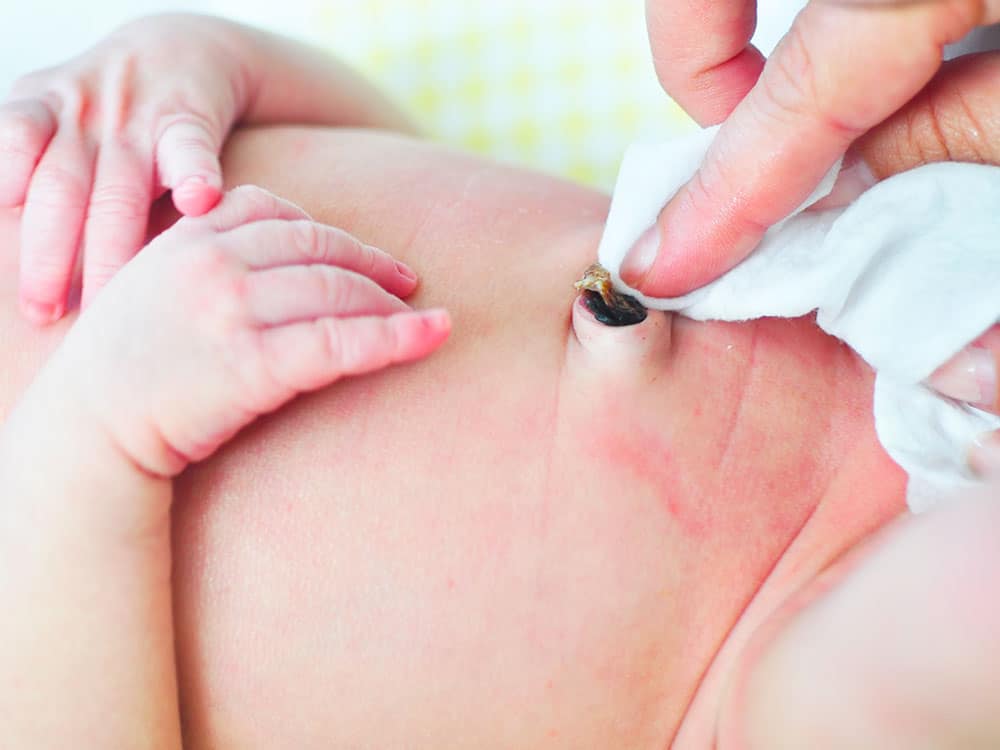
Taking care of a newborn’s umbilical stump is essential for preventing infection and promoting healing.

1. Keep It Dry

  • Air drying is important for the stump to heal and fall off. Avoid covering it with tight diapers or clothing.
  • Fold diapers down to avoid irritation or moisture exposure from urine.

2. Clean Gently

  • Use plain water or a mild cleanser if needed. Avoid using alcohol swabs unless advised by your pediatrician, as research shows it may delay healing.
  • Pat dry the area gently with a clean cloth or allow it to air dry.

3. Avoid Submerging in Water

  • Give your baby sponge baths rather than tub baths until the stump falls off and the area is fully healed.

4. Do Not Pull or Force Removal

  • Let the stump fall off naturally. This usually happens within 1 to 2 weeks after birth.

5. Monitor for Signs of Infection

  • Redness, swelling, or warmth around the base of the stump.
  • Foul-smelling discharge or pus.
  • Fever or your baby seeming unwell.

If any of these symptoms appear, contact a healthcare professional.

Once the stump falls off, the belly button may still look a bit raw. Keep it clean and dry, and it should heal fully within a few days.


Hand-foot-and-mouth-disease-body1-1.webp
28/Aug/2024

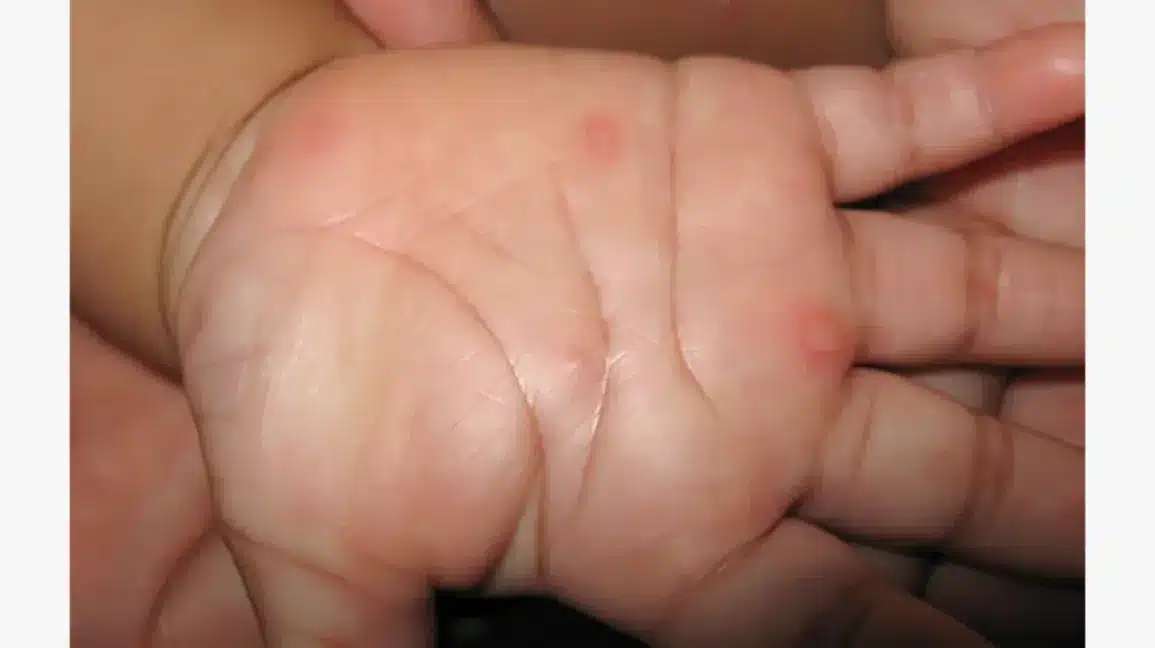
Hand, Foot, and Mouth Disease (HFMD) is a contagious viral infection common in young children. It typically causes fever, sores in the mouth, and a rash on the hands and feet. If your child has HFMD, here are some precautions parents should take:

1. Practice Good Hygiene:

  • Handwashing: Wash hands frequently with soap and water, especially after changing diapers, using the bathroom, and before preparing food.
  • Avoid Touching Face: Try to avoid touching your eyes, nose, and mouth without washing your hands first.
  • Disinfect Surfaces: Regularly clean and disinfect frequently touched surfaces, such as toys, doorknobs, and countertops.

2. Isolation:

  • Keep Your Child Home: If your child is diagnosed with HFMD, keep them home from school or daycare until they are fever-free and sores have healed, which typically takes about 7–10 days.
  • Avoid Close Contact: Avoid kissing, hugging, and sharing utensils with the infected child to reduce the spread of the virus.

3. Monitor Symptoms:

  • Fever and Pain Management: Use over-the-counter pain relievers like acetaminophen or ibuprofen to manage fever and discomfort.
  • Hydration: Ensure your child stays hydrated. Offer plenty of fluids, but avoid acidic drinks that might irritate mouth sores.

4. Seek Medical Attention:

  • Complications: If your child is unable to swallow, shows signs of dehydration (like reduced urination), or has a high fever, seek medical attention promptly.
  • Follow-Up: Keep in touch with your pediatrician if symptoms worsen or don’t improve as expected.

5. Educate Others:

  • Inform Caregivers: Let any other caregivers or family members know about the infection and the necessary precautions.
  • Community Awareness: Notify your child’s school or daycare so they can take appropriate measures to prevent further spread.

By following these precautions, you can help reduce the spread of HFMD and ensure your child’s comfort during recovery.


IMG_0392.jpeg
15/Jul/2023

Mosquito bites are a common occurrence in children, especially during warmer months or in areas where mosquitoes are prevalent. While most mosquito bites are harmless and only result in temporary discomfort, they can occasionally lead to more serious complications. Here are some key points to keep in mind regarding mosquito bites in children:

  1. Symptoms: Mosquito bites typically cause redness, swelling, and itchiness at the site of the bite. Some children may also experience a small, raised bump. The itching can be quite intense, leading to scratching, which can increase the risk of infection.
  2. Prevention: It’s important to take steps to prevent mosquito bites in children. Use mosquito nets or screens on windows and doors, dress your child in long sleeves and pants, especially during peak mosquito activity times (dusk and dawn), and apply insect repellent that is specifically formulated for use on children. Avoid using repellents containing DEET on infants younger than two months old.
  3. Treatment: For mild mosquito bite symptoms, you can provide relief by washing the affected area with mild soap and water, applying a cold compress, and using over-the-counter anti-itch creams or lotions. Avoid excessive scratching to prevent further irritation or infection.
  4. Infection: Although uncommon, mosquito bites can become infected if the child scratches the bite excessively or breaks the skin. Signs of infection include increasing redness, swelling, pain, warmth, or pus formation. If you suspect an infection, consult a healthcare professional for appropriate treatment.
  5. Allergic Reactions: Some children may have an allergic reaction to mosquito bites, resulting in more pronounced symptoms such as hives, severe swelling, or difficulty breathing. In such cases, seek immediate medical attention.
  6. Mosquito-borne Diseases: While mosquito bites themselves are generally harmless, mosquitoes can transmit certain diseases like malaria, dengue fever, chikungunya etc. These diseases are more prevalent in specific regions, so it’s important to be aware of any local health advisories and take appropriate precautions when traveling to high-risk areas.

If you have concerns about mosquito bites or notice any unusual symptoms or reactions in your child, it’s always best to consult your pediatrician for proper evaluation and guidance.


IMG_0370.jpeg
28/Jun/2023

When selecting an oil for your newborn, it’s essential to choose one that is safe and suitable for their delicate skin. Here are a few considerations:

  • Avoid oil till your baby is 1 month old atleast.
  • Use oils specifically formulated for babies: Look for baby oils that are hypoallergenic, free from harsh chemicals, and designed for newborns.
  • Opt for natural, plant-based oils: Examples include coconut oil, olive oil, almond oil, or jojoba oil. Avoid using oils with strong fragrances or additives that may irritate the baby’s skin.
  • Patch test: Before applying any oil to your baby’s skin, do a patch test on a small area to ensure there are no adverse reactions or allergies.
  • Avoid the face, eyes, and genital area: It’s generally recommended to avoid oil application on the face, particularly near the eyes, and genital area.
  • Vigorous massage with oil can lead to irritation rash over the skin.
  • Too much oil application over the scalp and face can lead to rashes that might warrant baby to be kept off oil exposure for a while.

It’s always a good idea to consult your pediatrician before starting any new skincare routine or using oils on your newborn baby.


Dr. Vibin KV

Dr. Vibin KV is best pediatrician in south Delhi, near safdarjung enclave. He has over 14 years experience in managing sick children from newborn to 18 years of age.
Conditions treated and services provided at the clinic include:
1) Respiratory illnesses with cough or noisy breathing- bronchiolitis, bronchitis, pneumonia, wheezing, asthma, foreign body, Inhaler therapy etc.
2) Vaccinations in all age groups.
3) New Born baby care.
4) Diarrhea, dysentery, dehydration.
5) Liver and Kidney Failure.
6) Brain infection including meningitis, encephalitis etc.
7) Urinary problems like Urinary tract infection, poor urine stream, painful urine, tight skin of the penis (phimosis) or paraphimosis, redness or pus at penis area.
8) Nephrotic syndrome and other Kidney related problems.
9) Jaundice, Hepatitis.
10) Poor growth, short stature, overweight, obesity.
11) Childhood diabetes and other endocrine problems in children.
12) Colic in infants.
13) Constipation in infants and older children.
14) Skin conditions like allergies, eczema, dermatitis, herpes, Rashes, dry skin, Dandruff, white patch over face, hair fall, dry scalp, diaper rash, nail problems etc.
15) Hernia or hydrocele- swelling in umbilical, swelling in testis, swelling in inguinal region.
16) Fever and Infections (bacterial, viral, fungal etc)
17) Seizures - Epilepsy, Febrile seizures.
18) worm infestations
19) Fall from height, head injury, Trauma, fractures (bone injury) etc.
20) PICC line and central line insertions.
21) Day care and Inpatient care facilities.
22) Adolescent care - emotional, psychological health.
23) Autism, ADHD, hyperactivity, learning disabilities, Developmental delay.
24) Short surgical procedures needing IV sedation.

Copyright by Dr. VibinKV 2023. All rights reserved.