Medical Info For Parents

IMG_0070.jpeg
22/Sep/2025

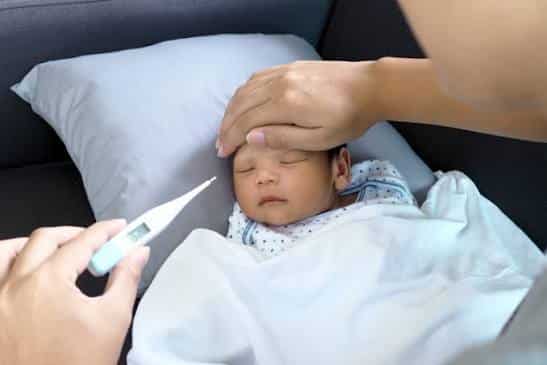
Influenza (flu) infection in infants can lead to serious illness, so it is essential for parents to understand the risks, recognize symptoms early, and know prevention and treatment measures.

Why Infants Are at Risk

  • Infants have a developing immune system, making them more vulnerable to severe illness from the flu compared to older children and adults.

  • Babies under 6 months cannot receive the flu vaccine themselves, but those 6 months and older should get vaccinated annually.

  • Adults and older children in close contact with infants should also be vaccinated to help protect the baby (cocooning).

How Influenza Spreads

  • The virus spreads through droplets in the air when an infected person coughs, sneezes, or talks.

  • Contact with contaminated surfaces, toys, or hands is another route; infants often touch their faces or put objects in their mouths.

Signs and Symptoms

  • Fever (may be high or unexplained in newborns)

  • Cough, runny nose, or sore throat

  • Unusual tiredness, irritability, or refusing to feed

  • Body aches, chills, or headache

  • Vomiting and diarrhea (more common in young children)

  • Severe signs: difficulty breathing, dehydration (few wet diapers), persistent high fever, or lethargy

When to Seek Medical Attention

  • Immediate medical attention is needed for breathing problems, bluish lips, poor feeding, dehydration, persistent vomiting, or seizures.

  • Consult a healthcare provider if symptoms worsen, don’t improve after a few days, or if the child appears very unwell.

Prevention Tips

  • Annual flu vaccination for children 6 months and older is crucial.

  • Vaccinate household members and caregivers if the infant is under 6 months.

  • Practice good hand hygiene, respiratory etiquette (cover coughs and sneezes), and disinfect surfaces regularly.

  • Avoid contact with people who are sick.

  • Keep infants away from crowded places during peak flu season.

Treatment and Home Care

  • Antiviral medications (e.g., oseltamivir) may be prescribed for infants at high risk or with confirmed influenza, especially if started within 48 hours of symptom onset.

  • Manage fever with doctor-approved medications. Do not give aspirin to infants due to the risk of Reye’s syndrome.

  • Keep the infant hydrated, allow rest, and monitor for worsening symptoms.

Other Key Points for Parents

  • Breastfeeding is encouraged; if the mother has flu symptoms, milk can be expressed and fed by a healthy caregiver.

  • The flu shot does not cause the flu. Some infants may have mild side effects like low-grade fever after vaccination.

  • Infants should stay home and away from daycare or gatherings until fever-free for at least 24 hours without fever-reducing medications.

Parents play a vital role in protecting infants from influenza by maintaining vaccination schedules, enforcing hygiene, and seeking prompt care when needed.


IMG_0059.jpeg
16/Jun/2025

BCG Scar in Newborn: What Parents Need to Know

The BCG (Bacillus Calmette-Guérin) vaccine is given to protect against tuberculosis (TB) and is part of the routine immunization schedule in many countries. It is usually administered at birth or shortly after.

Here’s what parents should know about the BCG scar:


What to Expect After BCG Vaccination

  1. Local Reaction Timeline:

    • First few days: Small red bump may appear.

    • 2–4 weeks later: Bump turns into a blister or ulcer.

    • 6–12 weeks: It may ooze slightly and form a scab.

    • By 3–6 months: Heals to form a small, round scar.

  2. Scar Size:

    • The final scar is usually 5–10 mm in diameter.

    • Not all babies develop a prominent scar — but the vaccine may still be effective.


❗ When to Worry

  • Excessive swelling or pus: A little discharge is normal, but large amounts of pus or a persistent wound (>6 weeks) should be evaluated.

  • Enlarged lymph nodes (especially under the arm) that are tender or growing.

  • Fever or signs of infection unrelated to normal healing.

  • No reaction at all after 3 months: Not usually a concern, but mention it during follow-up visits.


💡 Parent Tips

  • Don’t apply creams or ointments on the BCG site.

  • Avoid bandaging unless instructed by a doctor.

  • Let the area stay dry and clean.

  • Do not try to pop or drain the blister.


✅ Why the Scar is Good

  • A visible BCG scar often indicates the body has responded to the vaccine.

  • The presence or absence of a scar doesn’t guarantee immunity, but is usually a normal part of the process.


IMG_0046.jpeg
03/May/2025

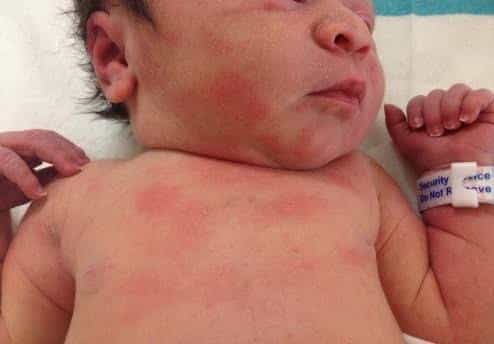
If a newborn develops a rash all over their body, it can be alarming, but not all rashes are dangerous. Here’s what parents should know and watch for:


Common (Usually Harmless) Newborn Rashes:

  1. Erythema toxicum neonatorum:

    • Red spots with small white/yellow bumps.

    • Common in healthy newborns (first week of life).

    • No treatment needed; clears on its own.

  2. Milia:

    • Tiny white bumps on the nose, cheeks, or chin.

    • Caused by blocked skin pores; resolve without treatment.

  3. Newborn acne:

    • Pimples on face, usually around 2–6 weeks of age.

    • Caused by maternal hormones; typically resolves in a few weeks/months.

  4. Heat rash (prickly heat):

    • Small red bumps in skin folds or where the baby gets hot.

    • Keep baby cool and dry; usually resolves quickly.


Warning Signs — When to Call a Doctor:

  • Fever (≥100.4°F or 38°C) in a baby under 3 months.

  • Rash looks like bruises or purple spots (could be serious, like meningitis).

  • Rash with blisters, peeling skin, or open sores.

  • Baby is very sleepy, irritable, or feeding poorly.

  • Rash is rapidly spreading or the skin looks infected (red, swollen, warm).


What Parents Should Do:

  • Don’t apply creams or powders unless recommended by a doctor.

  • Keep baby’s skin clean and dry; dress in soft, breathable clothing.

  • Take pictures to document changes if you need to consult a doctor.


high-fever-in-children.jpg
19/Sep/2024

Managing high fever in children can be distressing for parents. Here are some valuable parental tips:

Assessment

1. Check temperature: Use a digital thermometer preferably axillary temperature.
2. Observe behavior: Monitor for signs of distress, irritability, or lethargy.

Home Management

1. Fluids: Encourage oral fluids (breast milk, formula, or any liquids).
2. Medication:
– Acetaminophen/paracetamol (crocin/ calpol/ t-98 etc): consult pediatrician for dosage.
– Avoid other medicines like meftal (mefenemic acid) or brufen  (ibuprofen) unless prescribed by your pediatrician.
3. Dressing: Dress child lightly to promote heat loss.
4. Bathing: Sponge baths with lukewarm water (not cold water).
5. Rest: Encourage quiet activities.

When to Seek Medical Attention

1. Fever >104°F (40°C) in children <3 months.
2. Fever >102°F (39°C) in children 3-6 months.
3. Fever lasting >72 hours.
4. Signs of dehydration (dry mouth, fewer wet diapers).
5. Difficulty breathing, headache, stiff neck.
6. Vomiting, diarrhea, or abdominal pain.
7. Rash, seizure, or altered mental status.

Additional Tips

1. Monitor for fever spikes.
2. Use fever-reducing medications only as directed.
3. Avoid:
– Aspirin in children <18 years.
– Cold or ice baths.
– Overdressing.
– Overmedicating.
4. Maintain vaccinations to prevent fever-causing illnesses.

Red Flags

1. Infant <3 months with fever.
2. Fever with petechiae (small, purple spots).
3. Fever with difficulty breathing.
4. Severe headache or stiff neck.
5. Altered mental status or confusion.

Consult your pediatrician for personalized advice and guidance.


umbilical-carenarrow.jpg
09/Sep/2024

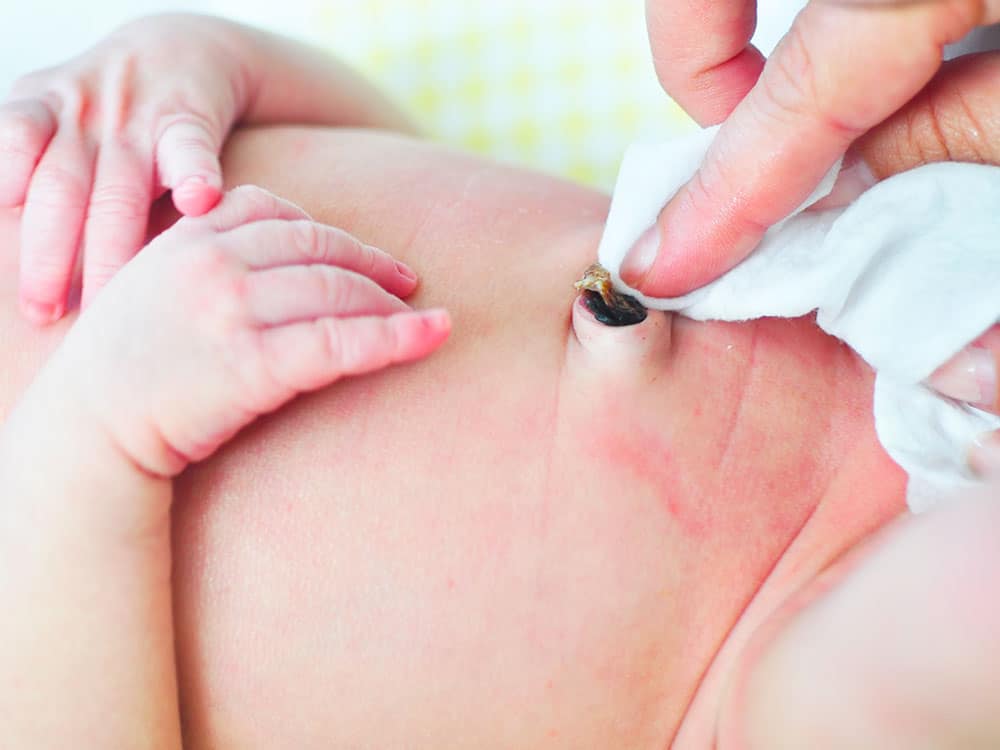
Taking care of a newborn’s umbilical stump is essential for preventing infection and promoting healing.

1. Keep It Dry

  • Air drying is important for the stump to heal and fall off. Avoid covering it with tight diapers or clothing.
  • Fold diapers down to avoid irritation or moisture exposure from urine.

2. Clean Gently

  • Use plain water or a mild cleanser if needed. Avoid using alcohol swabs unless advised by your pediatrician, as research shows it may delay healing.
  • Pat dry the area gently with a clean cloth or allow it to air dry.

3. Avoid Submerging in Water

  • Give your baby sponge baths rather than tub baths until the stump falls off and the area is fully healed.

4. Do Not Pull or Force Removal

  • Let the stump fall off naturally. This usually happens within 1 to 2 weeks after birth.

5. Monitor for Signs of Infection

  • Redness, swelling, or warmth around the base of the stump.
  • Foul-smelling discharge or pus.
  • Fever or your baby seeming unwell.

If any of these symptoms appear, contact a healthcare professional.

Once the stump falls off, the belly button may still look a bit raw. Keep it clean and dry, and it should heal fully within a few days.


Dr. Vibin KV

Dr. Vibin KV is best pediatrician in south Delhi, near safdarjung enclave. He has over 14 years experience in managing sick children from newborn to 18 years of age.
Conditions treated and services provided at the clinic include:
1) Respiratory illnesses with cough or noisy breathing- bronchiolitis, bronchitis, pneumonia, wheezing, asthma, foreign body, Inhaler therapy etc.
2) Vaccinations in all age groups.
3) New Born baby care.
4) Diarrhea, dysentery, dehydration.
5) Liver and Kidney Failure.
6) Brain infection including meningitis, encephalitis etc.
7) Urinary problems like Urinary tract infection, poor urine stream, painful urine, tight skin of the penis (phimosis) or paraphimosis, redness or pus at penis area.
8) Nephrotic syndrome and other Kidney related problems.
9) Jaundice, Hepatitis.
10) Poor growth, short stature, overweight, obesity.
11) Childhood diabetes and other endocrine problems in children.
12) Colic in infants.
13) Constipation in infants and older children.
14) Skin conditions like allergies, eczema, dermatitis, herpes, Rashes, dry skin, Dandruff, white patch over face, hair fall, dry scalp, diaper rash, nail problems etc.
15) Hernia or hydrocele- swelling in umbilical, swelling in testis, swelling in inguinal region.
16) Fever and Infections (bacterial, viral, fungal etc)
17) Seizures - Epilepsy, Febrile seizures.
18) worm infestations
19) Fall from height, head injury, Trauma, fractures (bone injury) etc.
20) PICC line and central line insertions.
21) Day care and Inpatient care facilities.
22) Adolescent care - emotional, psychological health.
23) Autism, ADHD, hyperactivity, learning disabilities, Developmental delay.
24) Short surgical procedures needing IV sedation.

Copyright by Dr. VibinKV 2023. All rights reserved.