Medical Info For Parents

Hand-foot-and-mouth-disease-body1-1.webp
28/Aug/2024

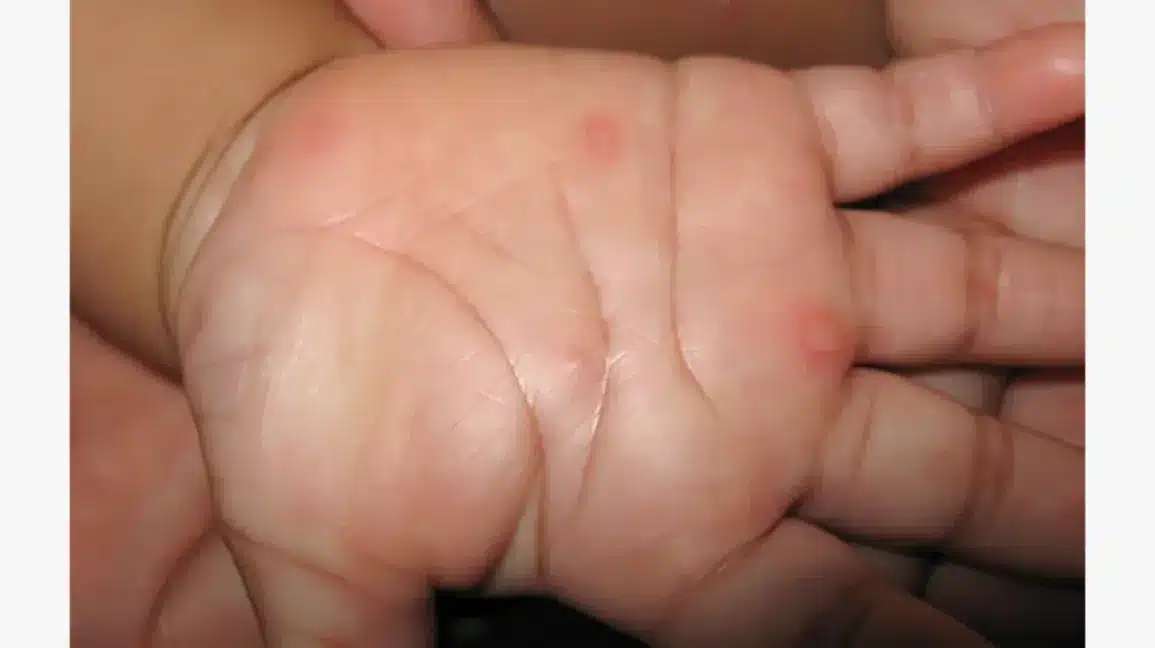
Hand, Foot, and Mouth Disease (HFMD) is a contagious viral infection common in young children. It typically causes fever, sores in the mouth, and a rash on the hands and feet. If your child has HFMD, here are some precautions parents should take:

1. Practice Good Hygiene:

  • Handwashing: Wash hands frequently with soap and water, especially after changing diapers, using the bathroom, and before preparing food.
  • Avoid Touching Face: Try to avoid touching your eyes, nose, and mouth without washing your hands first.
  • Disinfect Surfaces: Regularly clean and disinfect frequently touched surfaces, such as toys, doorknobs, and countertops.

2. Isolation:

  • Keep Your Child Home: If your child is diagnosed with HFMD, keep them home from school or daycare until they are fever-free and sores have healed, which typically takes about 7–10 days.
  • Avoid Close Contact: Avoid kissing, hugging, and sharing utensils with the infected child to reduce the spread of the virus.

3. Monitor Symptoms:

  • Fever and Pain Management: Use over-the-counter pain relievers like acetaminophen or ibuprofen to manage fever and discomfort.
  • Hydration: Ensure your child stays hydrated. Offer plenty of fluids, but avoid acidic drinks that might irritate mouth sores.

4. Seek Medical Attention:

  • Complications: If your child is unable to swallow, shows signs of dehydration (like reduced urination), or has a high fever, seek medical attention promptly.
  • Follow-Up: Keep in touch with your pediatrician if symptoms worsen or don’t improve as expected.

5. Educate Others:

  • Inform Caregivers: Let any other caregivers or family members know about the infection and the necessary precautions.
  • Community Awareness: Notify your child’s school or daycare so they can take appropriate measures to prevent further spread.

By following these precautions, you can help reduce the spread of HFMD and ensure your child’s comfort during recovery.

IMG_0406.jpeg
07/Sep/2023

Perianal itching in children can have various causes, including:

  1. Hygiene: Ensure your child practices good hygiene, especially after using the toilet. Teach them to wipe from front to back to prevent the spread of bacteria from the anus to the genital area.
  2. Diet: Some foods can contribute to anal itching. Make sure your child has a balanced diet with plenty of fiber to avoid constipation, which can exacerbate itching.
  3. Pinworms: Pinworms are a common cause of perianal itching in children. They are tiny worms that can be treated easily with medications.
  4. Allergies: Allergic reactions to certain soaps, detergents, or even toilet paper can lead to itching. Consider switching to hypoallergenic (less allergenic) products.
  5. Skin Conditions: Conditions like eczema or psoriasis can affect the perianal area and cause itching. Consult your pediatrician for proper diagnosis and treatment.
  6. Yeast Infections: Yeast infections can occur in the perianal area. Your pediatrician can recommend antifungal treatments if this is the cause.
  7. Bacterial Infections: Bacterial infections can also lead to itching. Antibiotic creams may be necessary if this is the case.
  8. Irritants: Excessive moisture or friction from diapers or tight clothing can irritate the skin. Ensure your child’s bottom is clean and dry.
  9. Consult your pediatrician: If the itching persists or worsens despite home care.

It’s essential to involve your pediatrician to determine the underlying cause and appropriate treatment for perianal itching in children.


IMG_0370.jpeg
28/Jun/2023

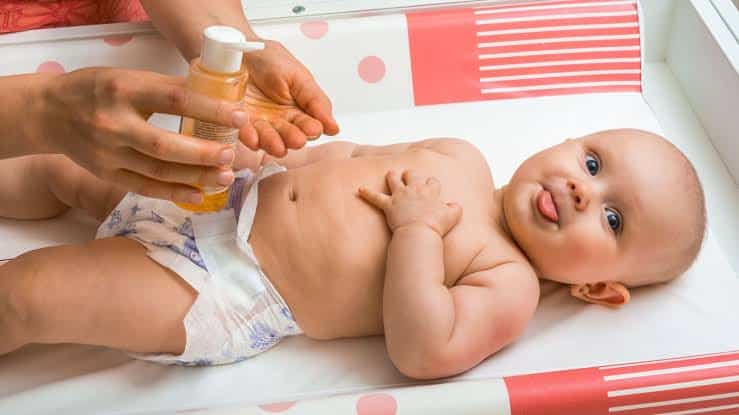
When selecting an oil for your newborn, it’s essential to choose one that is safe and suitable for their delicate skin. Here are a few considerations:

  • Avoid oil till your baby is 1 month old atleast.
  • Use oils specifically formulated for babies: Look for baby oils that are hypoallergenic, free from harsh chemicals, and designed for newborns.
  • Opt for natural, plant-based oils: Examples include coconut oil, olive oil, almond oil, or jojoba oil. Avoid using oils with strong fragrances or additives that may irritate the baby’s skin.
  • Patch test: Before applying any oil to your baby’s skin, do a patch test on a small area to ensure there are no adverse reactions or allergies.
  • Avoid the face, eyes, and genital area: It’s generally recommended to avoid oil application on the face, particularly near the eyes, and genital area.
  • Vigorous massage with oil can lead to irritation rash over the skin.
  • Too much oil application over the scalp and face can lead to rashes that might warrant baby to be kept off oil exposure for a while.

It’s always a good idea to consult your pediatrician before starting any new skincare routine or using oils on your newborn baby.


Dr. Vibin KV

Dr. Vibin KV is best pediatrician in south Delhi, near safdarjung enclave. He has over 14 years experience in managing sick children from newborn to 18 years of age.
Conditions treated and services provided at the clinic include:
1) Respiratory illnesses with cough or noisy breathing- bronchiolitis, bronchitis, pneumonia, wheezing, asthma, foreign body, Inhaler therapy etc.
2) Vaccinations in all age groups.
3) New Born baby care.
4) Diarrhea, dysentery, dehydration.
5) Liver and Kidney Failure.
6) Brain infection including meningitis, encephalitis etc.
7) Urinary problems like Urinary tract infection, poor urine stream, painful urine, tight skin of the penis (phimosis) or paraphimosis, redness or pus at penis area.
8) Nephrotic syndrome and other Kidney related problems.
9) Jaundice, Hepatitis.
10) Poor growth, short stature, overweight, obesity.
11) Childhood diabetes and other endocrine problems in children.
12) Colic in infants.
13) Constipation in infants and older children.
14) Skin conditions like allergies, eczema, dermatitis, herpes, Rashes, dry skin, Dandruff, white patch over face, hair fall, dry scalp, diaper rash, nail problems etc.
15) Hernia or hydrocele- swelling in umbilical, swelling in testis, swelling in inguinal region.
16) Fever and Infections (bacterial, viral, fungal etc)
17) Seizures - Epilepsy, Febrile seizures.
18) worm infestations
19) Fall from height, head injury, Trauma, fractures (bone injury) etc.
20) PICC line and central line insertions.
21) Day care and Inpatient care facilities.
22) Adolescent care - emotional, psychological health.
23) Autism, ADHD, hyperactivity, learning disabilities, Developmental delay.
24) Short surgical procedures needing IV sedation.

Copyright by Dr. VibinKV 2023. All rights reserved.