Medical Info For Parents

IMG_0132.jpeg
24/Aug/2026

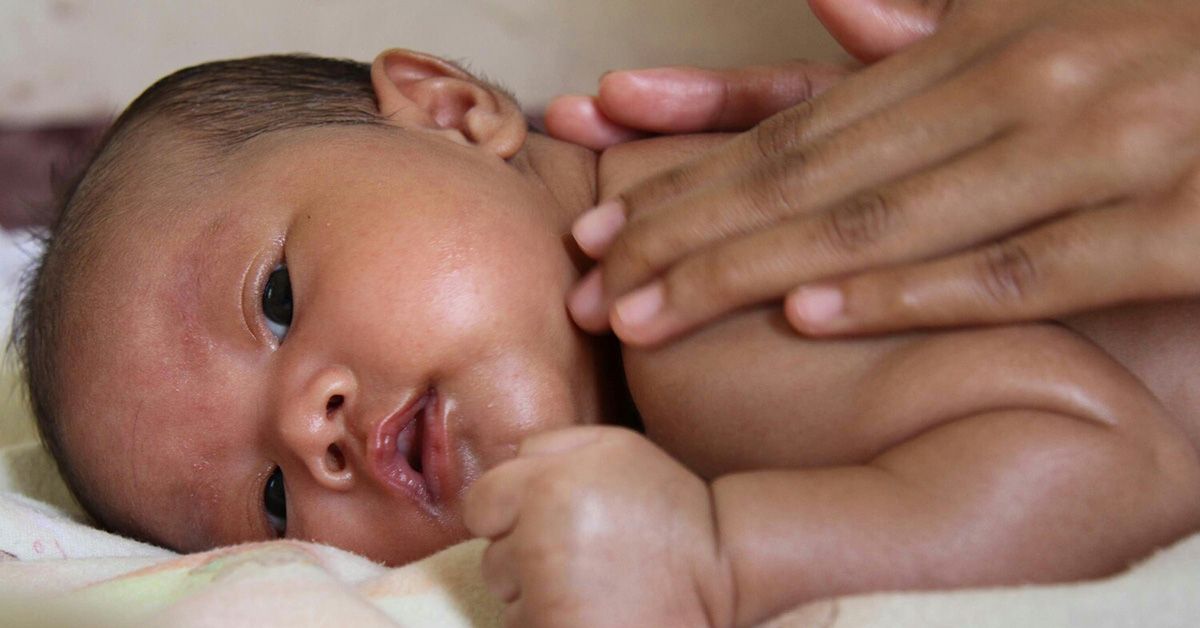
Oil massage in newborn – what parents need to know

Oil massage can be a pleasant bonding activity, but it is not essential for a newborn’s health. Newborn skin is delicate, so the choice of oil and gentle technique matter more than using a large amount. citeturn0search0

When to start

  • For a baby in the first few weeks, consider massage without oil, or ask your pediatrician first.

  • Wait until the baby is warm, alert, and calm—not immediately after feeding. A practical time is about 45–60 minutes after a feed.

  • Premature, low-birth-weight, hospitalized, or medically unwell babies should be massaged only with advice from their neonatologist or pediatrician.

Choosing an oil

If you use one, choose a plain, fragrance-free product formulated and tested for newborn skin. Some clinicians use coconut or sunflower oil, but recommendations vary by country and individual skin sensitivity. Apply only a thin layer.

Avoid:

  • Mustard oil: it may irritate the skin and cause contact dermatitis.

  • Olive oil: it may disrupt the developing skin barrier.

  • Essential oils, perfumes, herbal blends, and camphor-containing products.

  • Peanut or groundnut oil, particularly if there is a family history of allergy.

  • Products with unknown ingredients or oil collected from an unhygienic container.

The Indian Academy of Pediatrics specifically advises against mustard and olive oils because of irritation and skin-barrier effects. cite

How to massage safely

  1. Wash your hands, remove rings, and keep your nails short.

  2. Massage in a warm room, using warm—not hot—hands and a small quantity of oil.

  3. Use slow, light strokes on the arms, legs, chest, back, and feet.

  4. Do not press over the spine, joints, fontanelle, or abdomen.

  5. Keep oil away from the eyes, nose, mouth, ears, palms, and soles; babies may suck their hands and feet.

  6. Never massage a crying, sleepy, cold, feverish, or hungry baby.

  7. Hold the baby securely and never leave them unattended on a bed or changing table.

  8. Bathe afterward only if needed; use lukewarm water and a mild, fragrance-free cleanser.

Massage should stop if the baby becomes distressed. The umbilical stump should be kept clean and dry—do not put oil on it. cite

Patch-test first

Place a tiny amount on the arm or leg and observe for 24 hours. Do not use it if redness, swelling, bumps, scaling, or itching develops. Stop immediately if irritation appears; seek medical advice if there is facial swelling, breathing difficulty, widespread hives, blistering, or oozing.

Avoid oil massage over eczema, broken skin, infection, heat rash, or a diaper rash unless your pediatrician recommends a specific treatment. In hot weather or when prickly heat is present, oil can worsen blockage and irritation; the IAP advises avoiding it during active miliaria. cite

Bottom line: Gentle touch alone is perfectly safe and beneficial for bonding. If you choose oil, use a simple newborn-safe, fragrance-free product, patch-test it, use very little, and avoid traditional irritants such as mustard and olive oil.

IMG_0129.jpeg
27/Jul/2026

Functional abdominal pain (FAP) in adolescents is a common, real, and usually benign condition where belly pain occurs without a detectable structural, infectious, or inflammatory disease. It’s a disorder of gut–brain interaction: the nerves and signaling between the brain and gut become oversensitive, so normal gut sensations are felt as pain.kidshealth+2

What “functional” means (and doesn’t mean)

  • Functional ≠ “fake” or “all in the head.” The pain is genuine, but tests (blood work, ultrasound, endoscopy, etc.) are typically normal because there’s no ulcer, blockage, infection, or tissue damage.iffgd+1

  • It’s part of a group called disorders of gut–brain interaction (DGBIs), where brain–gut signaling, stress responses, gut motility, and sometimes the microbiome all play a role.healthychildren+1

How common is it?

  • Very common: studies suggest about 15% of schoolchildren have weekly abdominal pain; up to 1 in 4 children worldwide are affected by functional abdominal pain disorders.pmc.ncbi.nlm.nih+1

  • It often starts between ages 4–16, so adolescents are a typical group.kidshealth

Typical symptoms in teens

  • Pain is often around the belly button, but can move or vary in intensity.healthychildren+1

  • May come with:

    • Nausea, bloating, changes in bowel habits (constipation or diarrhea)

    • Headaches, dizziness, fatigue

    • Pain that flares with stress, school days, or after a stomach bugkidshealth+1

  • Kids usually grow normally, have normal appetite overall, and do not have red-flag signs like fever, weight loss, blood in stool/vomit, or nighttime pain that wakes them repeatedly.healthychildren+1

Red flags that need prompt medical evaluation

Contact your pediatrician (or seek urgent care) if any of these occur:

  • Unintentional weight loss or slowed growth

  • Persistent vomiting, especially with blood

  • Blood in stool or black/tarry stools

  • Fever, night sweats, or unexplained recurrent fevers

  • Severe, localized pain (e.g., right lower quadrant), or pain that wakes the child from sleep often

  • Pain with urination, rash, joint swelling, or signs of anemia (pallor, extreme fatigue)

  • Family history of inflammatory bowel disease, celiac disease, or peptic ulcer disease alongside concerning symptoms.

Why it happens (in plain language)

Think of the gut’s nerve pathways like a volume knob. In FAP, the “volume” on pain signals is turned up:

  • Past infections, stress, anxiety, or changes in routine can sensitize gut nerves.

  • The brain and gut constantly talk; when that system is dysregulated, normal stretching or movement in the intestines can feel painful.

  • Stress doesn’t “cause” the pain in a blaming way; it’s one of several biologic and social factors that can amplify an already sensitive system.healthychildren+1

What parents most need to know (and do)

1. Validate the pain, but don’t over-focus on it

  • Say: “I believe your pain is real. Tests show there’s no dangerous disease, and we’ll work on helping your body feel better.”pmc.ncbi.nlm.nih+1

  • Avoid repeatedly asking, “Does your stomach still hurt?” or making the pain the central topic of the day. Excessive focus can increase anxiety and pain perception.kidshealth+1

2. Keep normal routines—especially school

  • School attendance is a key treatment goal. Missing school reinforces the “sick role” and can worsen anxiety and pain long-term.pmc.ncbi.nlm.nih+1

  • Work with the school nurse/teachers so the teen can:

    • Use the restroom as needed

    • Take brief breaks if needed, but stay in class and continue activities

    • Avoid being sent home routinely for pain unless red flags appearpmc.ncbi.nlm.nih+1

3. Reduce “solicitous” responses that unintentionally reinforce pain

Helpful:

  • Calm reassurance, empathy, and problem-solving (“Let’s use your coping plan.”)

  • Encouraging activity, hobbies, and social time even if some pain is presentkidshealth+1

Less helpful:

  • Allowing the teen to stay home with TV/phones as a reward for pain

  • Giving special privileges only when pain is reported

  • Constantly checking in on pain levels throughout the daypmc.ncbi.nlm.nih

4. Use simple, practical symptom management

  • Diet:

    • Regular meals; don’t skip breakfast.

    • Limit obvious triggers: very spicy/fried foods, carbonated drinks, caffeine, large fatty meals.

    • If constipation is present, increase fiber gradually (fruits, vegetables, whole grains) and fluids.healthychildren+1

    • Some families try a short, supervised trial of reducing high-FODMAP foods (certain fermentable carbs), ideally with guidance from a clinician or dietitian.healthychildren

  • Medications (only under medical guidance):

    • Antispasmodics or acid-reducing meds may help some teens.

    • Low-dose tricyclic antidepressants or other neuromodulators may be used for pain control, not because the teen is depressed.healthychildren+1

  • Complementary options:

    • Peppermint oil (enteric-coated) can reduce cramping in some.

    • Probiotics may help bloating in some, though evidence is mixed.healthychildren+1

5. Teach coping skills and consider therapy

Functional abdominal pain often improves with brain–gut–focused therapies:

  • Cognitive behavioral therapy (CBT): Helps teens reframe pain thoughts, reduce fear, and build coping skills; strong evidence for reducing pain and disability.pmc.ncbi.nlm.nih+1

  • Gut-directed hypnotherapy and guided imagery: Studies show many children/teens improve substantially, sometimes with long-lasting benefit.healthychildren+1

  • Relaxation/breathing exercises, mindfulness, and biofeedback: Simple daily practice can lower stress reactivity and pain intensity.healthychildren+1

Ask your pediatrician for a referral to a psychologist or therapist experienced in pediatric pain or functional GI disorders.healthychildren+1

6. Keep a simple pain diary (without overdoing it)

A brief log for 1–2 weeks can help spot patterns:

  • Pain severity (0–10), time, location

  • Relation to meals, stress, school, sleep, bowel movements

  • What helped (rest, heat pack, breathing, medication)
    Use this to guide treatment, not to make pain the center of daily life.healthychildren+1

Prognosis: what to expect long term

  • Many teens improve significantly within weeks to months, especially with reassurance, routine, and coping strategies.kidshealth+1

  • Some may have recurrent episodes during stressful periods; this doesn’t mean something dangerous is developing.

  • A subset may continue to have functional GI symptoms into adulthood (e.g., IBS-type symptoms), but early, active management improves functioning and quality of life.iffgd

When to follow up or seek specialty care

  • If pain persists despite basic measures, or if there are diagnostic uncertainties, ask for a pediatric gastroenterologyreferral.

  • If anxiety, depression, or school avoidance are prominent, involve child psychology/psychiatry early.pmc.ncbi.nlm.nih+1

Quick checklist for parents

  • ✔️ Believe the pain; explain it’s real but not dangerous.

  • ✔️ Keep up school, activities, and social life as much as possible.

  • ✔️ Minimize pain-focused talk; maximize coping and normalcy.

  • ✔️ Use simple diet/lifestyle tweaks; avoid extreme restrictions.

  • ✔️ Consider CBT, hypnotherapy, or other gut–brain therapies.

  • ✔️ Watch for red flags and maintain regular follow-up with the pediatrician.


ImageForNews_749468_16854157722536883-1200x800.jpg
20/Jul/2026

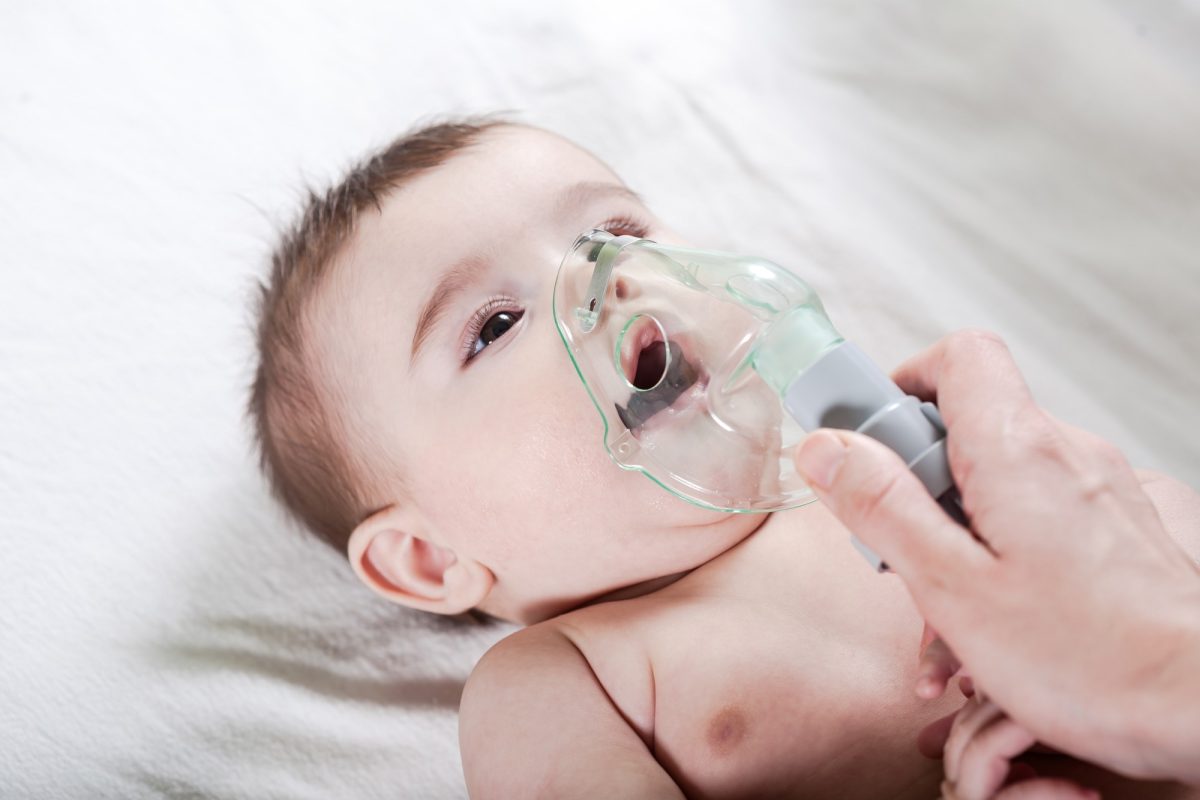
Flu infection in children – what parents need to know

Flu in infants can become serious quickly, so parents should focus on recognizing early symptoms, preventing infection, and knowing when to seek urgent medical care.healthychildren+2

Why flu is risky in infants

  • Babies, especially under 2 years old, are at higher risk of serious complications like pneumonia, dehydration, and hospitalization.healthychildren+1

  • Infants under 6 months have the highest rates of hospitalization and death from flu and are too young to receive the flu vaccine.healthychildren+1

  • Their immune systems are still developing, so they may not fight infections as effectively as older children.healthychildren+1

How flu spreads

  • Flu spreads mainly through droplets when someone with the virus coughs, sneezes, or talks near your baby.cdc+1

  • It can also spread when your baby touches contaminated objects (bottles, pacifiers, toys) and then their eyes, nose, or mouth.cdc+1

Key symptoms to watch for

Flu in babies can look different than in adults and may start subtly.webmd+1

  • Fever (rectal temperature of 100.4°F / 38°C or higher, especially concerning in babies under 3 months).goodrx

  • Poor feeding or trouble eating, fewer or less-wet diapers (possible dehydration).goodrx

  • Fussiness, crying more than usual, or unusual sleepiness and difficulty waking.webmd+1

  • Cough, nasal congestion, and breathing faster or seeming to struggle to breathe.webmd+1

  • Vomiting or diarrhea, which can quickly lead to dehydration in infants.webmd+1

If you notice these symptoms during flu season, contact your pediatrician promptly.cdc+2

Danger signs: go to Hospital Emergency

Seek immediate medical care (ER or emergency services) if your baby:healthychildren+2

  • Has trouble breathing (fast, noisy breathing, flaring nostrils, chest or belly pulling in with breaths).goodrx

  • Has a blue tint to lips/face or is very sleepy and hard to wake up.goodrx

  • Is younger than 3 months with a temperature of 100.4°F / 38°C or higher.goodrx

  • Cannot eat or hasn’t had a wet diaper for 6 hours or more.goodrx

Any worsening symptoms or signs of dehydration or breathing difficulty in a young child should be checked urgently.healthychildren+2

When to consult a pediatrician

Call your pediatrician right away if:healthychildren+3

  • You suspect flu (fever plus cough, congestion, fussiness, poor feeding, or vomiting/diarrhea).

  • Your baby is under 2 years old and seems more sleepy, irritable, or is feeding poorly.

  • Symptoms are getting worse instead of better over the first 2–3 days of illness.goodrx

Babies and young children may need antiviral medication, and it works best when started within about 48 hours of symptom onset.healthychildren+3

Treatment options

Always follow your pediatrician’s guidance; typical approaches include:cdc+2

  • Antiviral medicine (oseltamivir/Tamiflu) can be used in infants as young as 2 weeks and helps them recover faster when started early.cdc+2

  • Fluids: frequent breastfeeds or formula to prevent dehydration; oral rehydration solutions may be used in some infants if your doctor advises.goodrx

  • Comfort care: cool mist humidifier, saline nose drops and gentle suction for congestion, and plenty of rest.

Flu vaccines and protection

  • All children 6 months and older should get a flu vaccine every year; many babies need two doses the first year, given four weeks apart.healthychildren+2

  • Babies under 6 months cannot be vaccinated, so protection relies on a “cocoon”: parents, siblings, and caregivers being vaccinated to reduce the chance of bringing flu home.healthychildren+3

  • Pregnant and breastfeeding parents are also recommended to get the flu shot, which helps pass protective antibodies to the baby.healthychildren+2

Prevention at home

To lower your baby’s risk of flu:healthychildren+3

  • Keep sick people away from your baby as much as possible.

  • Wash hands often, especially before touching, feeding, or changing your baby; clean frequently touched surfaces and baby items.cdc+1

  • If you’re sick and must care for your baby, wear a mask, wash hands frequently, and disinfect bottles, pacifiers, and toys.healthychildren+2


IMG_0128.jpeg
14/Jul/2026

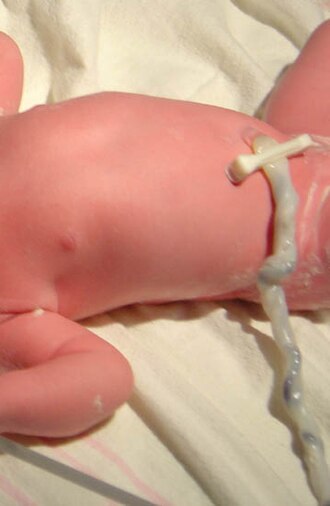
UMBILICAL CORD STUMP CARE – WHAT PARENTS NEED TO KNOW.

Parents should keep the umbilical cord stump clean, dry, and untouched, and watch carefully for any signs of infection or delayed healing. It usually falls off on its own within about 1–3 weeks after birth.mayoclinic+3

What the stump is

  • The stump is the small piece of umbilical cord left on your baby’s tummy after birth and clamping.clevelandclinic+1

  • Over days it dries, shrivels, and then separates, leaving the belly button.mayoclinic+1

Normal timing and appearance

  • Most stumps fall off between 1 and 3 weeks of age; many sources quote roughly 5–21 days.mayoclinicyoutube

  • It often changes from yellowish to brown or black as it dries; a tiny spot of blood when it falls off can be normal.mayoclinic+1

Everyday care: do’s

  • Wash your hands before touching the stump or the skin around it.raisingchildren.net

  • Keep the stump as dry as possible: expose it to air, fold the front of the diaper down so it doesn’t rub, and use loose clothing.mayoclinic+2

  • If wee or poo gets on the area, gently clean with water (and mild baby cleanser if needed), then pat dry and leave it open to air.mayoclinic+1

  • Sponge baths are often easier until the stump falls off, but if it gets wet in a bath, simply dry it well afterward.mayoclinic+1

Everyday care: don’ts

  • Don’t pull, tug, or try to speed up separation, even if it looks “almost off.”mayoclinic+1youtube

  • Don’t cover the stump with tight waistbands, plastic pants, or bulky diapers that keep it damp.mayoclinic+1

  • Don’t apply powders, oils, home remedies, or coins/tape over the area; these can irritate the skin or trap moisture and germs.nationwidechildrens+1

  • Routine swabbing with rubbing alcohol is no longer recommended in many places because it can delay the stump falling off; only use it if your own healthcare professional specifically advises it.mayoclinic+2

Cleaning small amounts of fluid

  • Clear or slightly blood‑stained fluid can occasionally seep from the base; gently wipe it away with a damp cotton swab or washcloth, then pat dry.mayoclinic+1

  • Make sure you can dry the base of the stump (you may need to gently press the nearby skin down or tilt the stump) and then leave it open to air.mayoclinic

After the stump falls off

  • Keep the belly button area clean and dry, still folding the diaper down to let air get to it.raisingchildren.net

  • A small amount of pink tissue or a few drops of blood right when it falls off can be normal; this should quickly improve.mayoclinic+1

Warning signs: when to call a doctor urgently

Contact your baby’s doctor, midwife, or pediatric nurse the same day (or seek urgent care) if you notice:

  • Skin around the stump that is red, warm, swollen, or very tender.mayoclinic+1youtube

  • Thick yellow or green discharge (pus) or a foul smell from the stump or belly button.mayoclinic+1youtube

  • Bleeding that is more than a few spots, keeps soaking the diaper, or continues beyond a couple of days.mayoclinic+1

  • Your baby seems unwell (fever, poor feeding, unusual sleepiness) along with changes at the stump.raisingchildren.net+1

These can be signs of infection and need medical assessment.mayoclinic+1youtube

When healing seems slow

  • If the stump has not fallen off by about 2–3 weeks, or you still see sticky fluid several days after it comes off, you should have your baby checked by a healthcare professional.nationwidechildrens+2

  • Occasionally, babies develop an umbilical granuloma (a small, moist pink lump); this is usually simple to treat but must be assessed by a doctor.

Parents should keep the umbilical cord stump clean, dry, and untouched, and watch carefully for any signs of infection or delayed healing. It usually falls off on its own within about 1–3 weeks after birth.

What the stump is

  • The stump is the small piece of umbilical cord left on your baby’s tummy after birth and clamping.clevelandclinic+1

  • Over days it dries, shrivels, and then separates, leaving the belly button.

Normal timing and appearance

  • Most stumps fall off between 1 and 3 weeks of age; many sources quote roughly 5–21 days.

  • It often changes from yellowish to brown or black as it dries; a tiny spot of blood when it falls off can be normal.mayoclinic+1

Everyday care: do’s

  • Wash your hands before touching the stump or the skin around it.raisingchildren.net

  • Keep the stump as dry as possible: expose it to air, fold the front of the diaper down so it doesn’t rub, and use loose clothing.mayoclinic+2

  • If wee or poo gets on the area, gently clean with water (and mild baby cleanser if needed), then pat dry and leave it open to air.mayoclinic+1

  • Sponge baths are often easier until the stump falls off, but if it gets wet in a bath, simply dry it well afterward.mayoclinic+1

Everyday care: don’ts

  • Don’t pull, tug, or try to speed up separation, even if it looks “almost off.”mayoclinic+1youtube

  • Don’t cover the stump with tight waistbands, plastic pants, or bulky diapers that keep it damp.mayoclinic+1

  • Don’t apply powders, oils, home remedies, or coins/tape over the area; these can irritate the skin or trap moisture and germs.nationwidechildrens+1

  • Routine swabbing with rubbing alcohol is no longer recommended in many places because it can delay the stump falling off; only use it if your own healthcare professional specifically advises it.mayoclinic+2

Cleaning small amounts of fluid

  • Clear or slightly blood‑stained fluid can occasionally seep from the base; gently wipe it away with a damp cotton swab or washcloth, then pat dry.mayoclinic+1

  • Make sure you can dry the base of the stump (you may need to gently press the nearby skin down or tilt the stump) and then leave it open to air.mayoclinic

After the stump falls off

  • Keep the belly button area clean and dry, still folding the diaper down to let air get to it.raisingchildren.net

  • A small amount of pink tissue or a few drops of blood right when it falls off can be normal; this should quickly improve.mayoclinic+1

Warning signs: when to call a doctor urgently

Contact your baby’s doctor, midwife, or pediatric nurse the same day (or seek urgent care) if you notice:

  • Skin around the stump that is red, warm, swollen, or very tender.mayoclinic+1youtube

  • Thick yellow or green discharge (pus) or a foul smell from the stump or belly button.mayoclinic+1youtube

  • Bleeding that is more than a few spots, keeps soaking the diaper, or continues beyond a couple of days.mayoclinic+1

  • Your baby seems unwell (fever, poor feeding, unusual sleepiness) along with changes at the stump.raisingchildren.net+1

These can be signs of infection and need medical assessment.mayoclinic+1youtube

When healing seems slow

  • If the stump has not fallen off by about 2–3 weeks, or you still see sticky fluid several days after it comes off, you should have your baby checked by a healthcare professional.nationwidechildrens+2

  • Occasionally, babies develop an umbilical granuloma (a small, moist pink lump); this is usually simple to treat but must be assessed by a doctor.clevelandclinic+1


IMG_0127-1200x560.jpeg
04/Jul/2026

Precocious puberty is when puberty starts earlier than normal—before age 8 in girls and before age 9 in boys—and it always deserves a medical check‑up. With prompt evaluation, most children can be treated effectively and supported emotionally.kidshealth+3


What “normal” vs “precocious” puberty looks like

  • Typical timing: Puberty usually starts between ages 8–13 in girls and 9–14 in boys.medlineplus+1

  • Precocious puberty: Signs before age 8 in girls or before age 9 in boys are considered early and should be discussed with a doctor.kidshealth+4

  • It’s more common in girls: Early puberty happens more often in girls than in boys and is rare overall (less than 1% of children).uclahealth+1


Early signs in girls

Parents should watch for these signs occurring before age 8:kidshealth+3

  • Breast development.

  • Menstruation (first period) before about age 10.kidshealth+2

  • Rapid height growth or “growth spurt,” new curves in body shape.kidshealth+2

Other possible signs include:kidshealth+3

  • Pubic or underarm hair.

  • Body odor, acne, mood changes (more irritability or emotional swings).


Early signs in boys

In boys, signs before age 9 should be checked:kidshealth+4

  • Enlargement of testicles and penis.kidshealth+2

  • Rapid height growth and more muscular build.kidshealth+2

  • Voice deepening, pubic/underarm facial hair, body odor, acne.kidshealth+3

Some boys may also have mood changes, such as increased aggression or risk‑taking behaviors.


Dr. Vibin KV

Dr. Vibin KV is best pediatrician in south Delhi, near safdarjung enclave. He has over 14 years experience in managing sick children from newborn to 18 years of age.
Conditions treated and services provided at the clinic include:
1) Respiratory illnesses with cough or noisy breathing- bronchiolitis, bronchitis, pneumonia, wheezing, asthma, foreign body, Inhaler therapy etc.
2) Vaccinations in all age groups.
3) New Born baby care.
4) Diarrhea, dysentery, dehydration.
5) Liver and Kidney Failure.
6) Brain infection including meningitis, encephalitis etc.
7) Urinary problems like Urinary tract infection, poor urine stream, painful urine, tight skin of the penis (phimosis) or paraphimosis, redness or pus at penis area.
8) Nephrotic syndrome and other Kidney related problems.
9) Jaundice, Hepatitis.
10) Poor growth, short stature, overweight, obesity.
11) Childhood diabetes and other endocrine problems in children.
12) Colic in infants.
13) Constipation in infants and older children.
14) Skin conditions like allergies, eczema, dermatitis, herpes, Rashes, dry skin, Dandruff, white patch over face, hair fall, dry scalp, diaper rash, nail problems etc.
15) Hernia or hydrocele- swelling in umbilical, swelling in testis, swelling in inguinal region.
16) Fever and Infections (bacterial, viral, fungal etc)
17) Seizures - Epilepsy, Febrile seizures.
18) worm infestations
19) Fall from height, head injury, Trauma, fractures (bone injury) etc.
20) PICC line and central line insertions.
21) Day care and Inpatient care facilities.
22) Adolescent care - emotional, psychological health.
23) Autism, ADHD, hyperactivity, learning disabilities, Developmental delay.
24) Short surgical procedures needing IV sedation.

Copyright by Dr. VibinKV 2023. All rights reserved.