Medical Info For Parents

IMG_0122.jpeg
25/Apr/2026

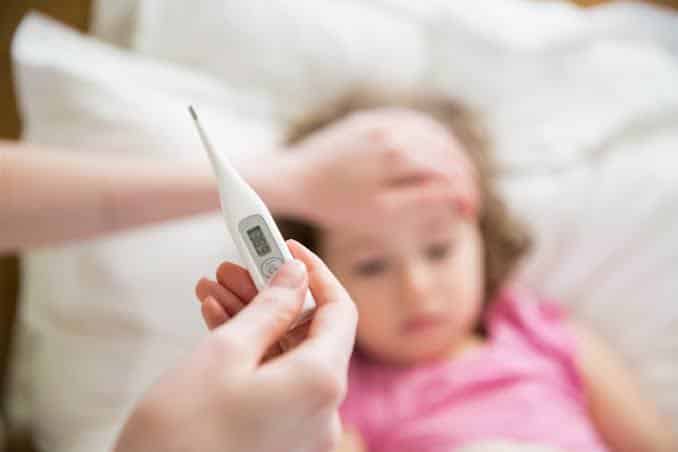
Parents in Delhi can protect children during severe heat waves by focusing on hydration, timing outdoor activities, and creating cool indoor spaces, especially amid rising temperatures like those in April 2026. These steps are critical for young kids like your 7- and 11-year-olds, who are more prone to dehydration and heat illness due to less efficient sweating.

Hydration Strategies

Encourage frequent sips of water or oral rehydration solutions throughout the day, even before thirst sets in—aim for clear urine as a sign of good hydration. Avoid sugary drinks, caffeine, or carbonated sodas, which worsen dehydration. Offer water-rich fruits like watermelon or cucumber as snacks.

Timing and Activity Limits

Keep children indoors from 11 AM to 4 PM when heat peaks; schedule play, school sports, or outings for early morning or evening. Limit strenuous activities, opting for light indoor games, and never leave kids in parked cars, even briefly. Gradually acclimate to heat over days if needed.

Clothing and Environment

Dress in loose, light-colored cotton clothes; apply broad-spectrum SPF 30+ sunscreen and hats for any sun exposure. Use fans, AC, or wet towels to cool rooms—close curtains to block sunlight—and give cool baths or showers for relief. Monitor for early signs like fatigue or dizziness.

Monitoring and Response

Watch for flushed skin, rapid breathing, headaches, or irritability, acting fast with shade, cooling, and medical help if symptoms escalate. For Delhi families, combine with your pollution guidelines: shorten outdoor time on high AQI days too. Regular rest breaks prevent fatigue from compounding heat stress.

IMG_0394.jpeg
12/Sep/2025

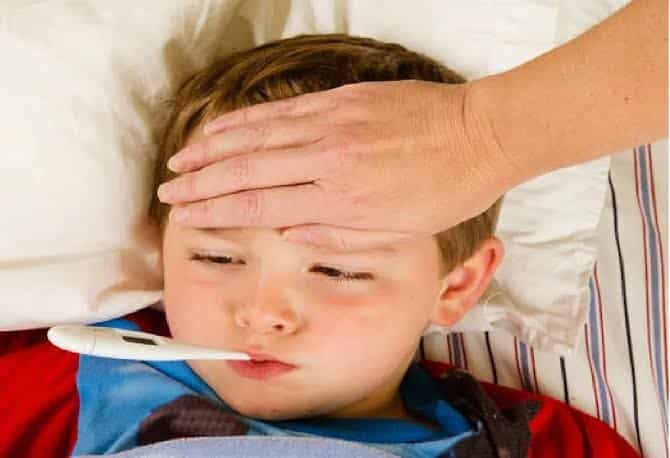
Parents should avoid several common mistakes when caring for a child with high fever, as these can worsen symptoms or pose risks to health.

Key Actions to Avoid

Do Not Overdress or Overcover

  • Heavy clothing and thick blankets trap heat and can make fever worse; always use light clothing and a thin sheet.

Never Use Rubbing Alcohol, Ice Water, or Cold Baths

  • Rubbing alcohol can result in poisoning through skin absorption; ice water or cold baths can trigger chills and raise body temperature instead of lowering it.

Do Not Give Aspirin

  • Aspirin can cause Reye syndrome, a rare but potentially fatal condition in children with viral illnesses; stick to acetaminophen or ibuprofen but never aspirin.

Avoid Forcing Food or Excessive Fluids

  • Do not force-feed children who have lost appetite; offer food and fluids, but let them eat what they can comfortably tolerate.

Do Not Use Spicy Foods, Tea, or Very Cold Drinks

  • Spices and tea can raise body temperature and irritate the digestive tract, while very cold drinks can worsen discomfort.

Do Not Combine Multiple Fever-Reducers or Flexible-Dosing

  • Overmedicating or using different fever reducers simultaneously can cause harmful side effects and overdose risk.

Other Common Mistakes

  • Do not focus only on fever; always watch for other symptoms (like rash, repetitive vomiting, or lethargy) and seek medical care as needed.

  • Do not use inaccurate thermometers or fail to check temperature precisely; always confirm fever with an accurate device.

  • Never put objects in a child’s mouth during a seizure caused by fever; this can lead to choking or injury—focus on proper seizure first aid.

When to Seek Medical Attention

  • Never delay seeking a doctor’s help if a child is younger than 3 months with any fever, or if a fever persists, is very high, or is accompanied by concerning symptoms like dehydration or convulsions.

These precautions help ensure safe and supportive care during childhood fevers, preventing avoidable complications and promoting recovery.


IMG_0060.jpeg
20/Jun/2025

Diabetic Ketoacidosis (DKA) in Children – What Parents Need to Know

Diabetic Ketoacidosis (DKA) is a serious and potentially life-threatening complication of diabetes, especially Type 1 diabetes in children. It occurs when the body doesn’t have enough insulin and begins to break down fat for energy, producing ketones that make the blood acidic.


🔍 What Causes DKA?

  • Missed or insufficient insulin doses

  • New onset of undiagnosed diabetes

  • Infection or illness (fever, vomiting, etc.)

  • Stress or trauma

  • Malfunctioning insulin pump


⚠️ Warning Signs and Symptoms

Parents should watch out for the following symptoms:

  • Excessive thirst and urination

  • Weight loss

  • Fatigue or weakness

  • Nausea or vomiting

  • Abdominal pain

  • Rapid breathing (deep, heavy breathing called Kussmaul respiration)

  • Fruity-smelling breath

  • Confusion or drowsiness

  • Dry mouth and skin

  • Sunken eyes


🏥 When to Seek Emergency Help

Call your doctor or go to the emergency room immediately if your child:

  • Has vomiting or stomach pain

  • Shows drowsiness or confusion

  • Is breathing abnormally

  • Has very high blood sugar levels

  • Has moderate to high ketones in blood or urine


🧪 How DKA is Diagnosed

Doctors check:

  • Blood sugar levels (usually >250 mg/dL)

  • Ketones in urine or blood

  • Blood pH and bicarbonate levels (indicating acidosis)

  • Electrolytes (sodium, potassium)

  • Signs of dehydration


💉 Treatment of DKA

DKA is treated in a hospital, often in the pediatric ICU:

  1. IV fluids to treat dehydration

  2. Insulin to reduce blood glucose and ketones

  3. Electrolyte replacement

  4. Monitoring and treating underlying causes like infections


Prevention Tips for Parents

  • Ensure your child takes insulin on time, without missing doses

  • Monitor blood glucose and ketone levels regularly, especially during illness

  • Follow a sick-day plan provided by the doctor

  • Educate your child about signs of high blood sugar and ketones

  • Always have test strips for ketones and a glucose meter

  • Have a medical ID for your child indicating diabetes


📞 Important to Remember

  • DKA is preventable with proper diabetes management

  • Early recognition and prompt action can save your child’s life

  • Regular follow-ups with a pediatric endocrinologist are essential


IMG_0057.jpeg
03/Jun/2025

Fast breathing in an infant can be a normal response or a sign of an underlying health problem. Here’s what parents should know to recognize when it’s a concern and when to seek help.


🚼 What Is Normal Breathing in Infants?

  • Newborns (0–2 months): 30–60 breaths per minute

  • Infants (2–12 months): 20–50 breaths per minute

  • Note: Infants often breathe irregularly, with occasional pauses or bursts of rapid breathing (especially during sleep). This is usually normal.


⚠️ When Fast Breathing Might Be a Concern

Fast breathing (tachypnea) can signal several conditions, especially if it comes with other symptoms:

✅ Common Causes (Non-emergency):

  • Crying or fussing

  • Fever: Increased body temperature can increase breathing rate.

  • Recent feeding: Some babies breathe faster briefly after eating.

🚨 Concerning Causes:

  • Respiratory infections (e.g., bronchiolitis, pneumonia)

  • Asthma (less common in very young infants)

  • Congenital heart disease

  • Sepsis or serious infections

  • Metabolic disorders


🚨 When to Seek Medical Help Immediately

Call your doctor or go to the ER if your baby has:

  • Breathing rate consistently over 60 breaths/min

  • Nostrils flaring while breathing

  • Grunting sounds during exhalation

  • Chest retractions (ribs or sternum pulling in with each breath)

  • Bluish lips, tongue, or skin

  • Poor feeding

  • Lethargy or difficulty waking

  • Persistent cough, wheezing, or high-pitched sounds when breathing


👩‍⚕️ What a Doctor Might Do

  • Check oxygen levels with a pulse oximeter

  • Listen to lungs and heart

  • Order a chest X-ray or lab tests

  • Monitor for dehydration or signs of infection


🏠 What You Can Do at Home

  • Keep baby calm: crying can increase breathing rate

  • Track symptoms: note when it started, how fast they’re breathing, and any other signs

  • Keep baby upright: this may ease breathing

  • Avoid smoke exposure and sick contacts


Summary

Fast breathing in an infant isn’t always a medical emergency, but trust your instincts—if your baby seems unwell or you’re unsure, get checked promptly.


IMG_0042.jpeg
22/Apr/2025

By Age Group

At 6 Months

  • Doesn’t respond to sounds or turns head to locate them

  • Doesn’t show affection or smile at people

  • Poor head control or stiff/floppy limbs

  • Doesn’t roll over or bring objects to mouth

At 9 Months

  • Doesn’t sit without support

  • Doesn’t babble (“mama,” “baba,” “dada”)

  • Doesn’t recognize familiar faces

  • Doesn’t look where you point

At 12 Months

  • Doesn’t crawl or stand with support

  • Doesn’t say single words like “mama” or “dada”

  • No gestures like waving or pointing

  • Doesn’t respond to name

At 18 Months

  • Can’t walk or walking is very unsteady

  • Doesn’t speak at least 6–10 words

  • Doesn’t know what common items are for (e.g., brush, spoon)

  • Shows little interest in others or playing

At 2 Years

  • Doesn’t use 2-word phrases (e.g., “more juice”)

  • Has trouble following simple instructions

  • Doesn’t imitate actions or words

  • Can’t push a wheeled toy

At 3 Years

  • Doesn’t speak in simple sentences

  • Can’t work simple toys (like shape sorters)

  • Avoids playing with other children

  • Falls frequently or has difficulty with stairs


Red Flags Across Ages

  • Loss of skills once learned (e.g., speech or motor skills)

  • Lack of eye contact or emotional connection

  • Very limited interest in surroundings or people

  • Unusual behavior (hand-flapping, rocking, or extreme reactions to lights/sounds)


What Should Parents Do?

  • Don’t wait and see. Early intervention is key.

  • Talk to your pediatrician if you notice any of these signs.

  • Ask about developmental screening or a referral to a specialist.


IMG_0032.jpeg
06/Feb/2025

Nasal congestion (nose block) is common in infants because their nasal passages are small and can easily become clogged with mucus. Here’s what parents should know:

Causes of Nose Block in Infants

  1. Common Cold – Viral infections can cause mucus buildup.
  2. Dry Air – Especially during winter or in air-conditioned rooms.
  3. Allergies – Though less common in newborns, dust, pet dander, or smoke can irritate their nose.
  4. Reflux – Sometimes, stomach acid can irritate the nasal passages.
  5. Teething – Some babies have nasal congestion when teething due to increased saliva production.

Signs of Nasal Congestion

  • Noisy breathing or snoring
  • Difficulty feeding due to blocked nose
  • Restlessness or trouble sleeping
  • Sneezing or mild coughing

How to Relieve Nose Block

  1. Saline Drops & Suction
    • Use saline nasal drops to loosen mucus.
    • A bulb syringe or nasal aspirator can help remove mucus gently.
  2. Steam & Humidifiers
    • A warm steam bath or a cool-mist humidifier in the baby’s room can ease congestion.
  3. Elevate the Head
    • Slightly elevating the baby’s head during sleep (not with a pillow but by tilting the crib mattress slightly) can help with drainage.
  4. Hydration
    • Breastfeeding or bottle-feeding keeps the baby hydrated, which helps thin the mucus.
  5. Avoid Irritants
    • Keep the baby away from smoke, strong perfumes, or dust.

When to See pediatrician

  • If congestion lasts more than 10 days.
  • Baby has difficulty breathing, wheezing, or high fever.
  • Signs of dehydration (fewer wet diapers, dry mouth).
  • If baby refuses to feed due to congestion.

Most nasal congestion in infants is mild and resolves on its own. However, if you’re worried, it’s always best to check with your child’s pediatrician.


IMG_0011.jpeg
26/Nov/2024

Hepatitis A is a contagious liver infection caused by the hepatitis A virus (HAV). While it can affect people of all ages, children are often at risk, especially in areas where sanitation is poor or where the virus is common.

Here’s what parents should know:

1. How Hepatitis A Spreads:

  • Contaminated food or water: The virus spreads when a person eats or drinks something contaminated with fecal matter from an infected person.
  • Close contact: Direct contact with an infected person, such as through hugging or caring for a sick child, can also transmit the virus.
  • Poor sanitation: Hepatitis A is more common in areas with inadequate sanitation and hygiene practices.

2. Symptoms of Hepatitis A in Children:

Hepatitis A symptoms may range from mild to severe and can appear suddenly. They include:

  • Fever
  • Fatigue
  • Loss of appetite
  • Nausea and vomiting
  • Stomach pain or discomfort (especially on the right side)
  • Dark urine and pale-colored stools
  • Jaundice (yellowing of the skin and eyes)

However, some children, especially younger ones, may not show symptoms or may have very mild ones.

3. Prevention:

  • Vaccination: The best way to protect your child is through the hepatitis A vaccine. It’s typically given in two doses, with the first dose at age 1 (12-23 months), and the second dose 6 months later. The vaccine is highly effective at preventing the infection.
  • Good hygiene: Encourage regular handwashing with soap and water, especially after using the bathroom, changing diapers, and before eating or preparing food.
  • Safe food and water: Ensure that food and water are properly handled and free of contamination, especially when traveling in areas with poor sanitation.

4. Treatment:

There is no specific antiviral treatment for hepatitis A. Most children will recover fully with rest and supportive care. This includes:

  • Hydration: Ensuring the child stays hydrated, especially if they are vomiting or have diarrhea.
  • Pain relief: Over-the-counter medications like acetaminophen (Tylenol) can help relieve pain and fever, but avoid giving ibuprofen or aspirin to children.
  • Monitoring: Watch for signs of worsening symptoms, especially jaundice or severe abdominal pain, and seek medical attention if needed.

5. Complications:

In most cases, hepatitis A is a self-limiting infection, and children recover completely without long-term problems. However, in rare cases, the infection can lead to liver failure, especially in children with preexisting health conditions or those who are very young.

6. When to Seek Medical Help:

  • If your child develops jaundice (yellowing of the skin or eyes).
  • If symptoms seem to worsen or last for more than a few weeks.
  • If your child becomes excessively tired, lethargic, or unable to drink fluids.

IMG_0004.jpeg
15/Oct/2024

When dealing with a very high fever in a child, consider the following measures:

1. **Monitor Temperature**: Use a digital thermometer to regularly check the child’s temperature.

2. **Hydration**: Ensure the child drinks plenty of fluids, such as water, electrolyte solutions, or clear soups, to prevent dehydration.

3. **Appropriate Clothing**: Dress the child in lightweight, breathable clothing and keep the room at a comfortable temperature.

4. **Lukewarm Bath**: A lukewarm sponge bath can help lower body temperature. Avoid cold baths, as they may cause shivering.

5. **Medications**: Administer age-appropriate fever-reducing medications, such as acetaminophen or ibuprofen, if recommended by a healthcare provider.

6. **Rest**: Encourage the child to rest as much as possible to support their recovery.

7. **Consult your Doctor**: Seek medical advice if the fever is very high (typically above 104°F or 40°C), lasts more than a couple of days, or is accompanied by other concerning symptoms like difficulty breathing, persistent vomiting, or rash.

Always follow the guidance of your paediatrician for your specific situation.


24-laxman-rekha-chalk-pack-of-24-24-lakshman-rekha-original-imags4hepzgbaqre.webp
23/Jul/2024

Ingesting any pesticide, including Laxman Rekha (which contains the active ingredient cypermethrin), is a serious health hazard and requires immediate medical attention. Here’s what you should do if a child ingests this substance:

Immediate Steps:
Do Not Induce Vomiting: Inducing vomiting can cause further harm.
Check for Symptoms: Symptoms of cypermethrin poisoning can include nausea, vomiting, abdominal pain, dizziness, headaches, and in severe cases, seizures and respiratory distress.
Rinse the Mouth: If the child is conscious, rinse their mouth with water to remove any remaining substance.
Call Emergency Services: Contact emergency medical services or take the child to the nearest emergency room immediately.
Contact Poison Control: Call your local poison control center for specific advice on what to do next.

Medical Treatment:
Activated Charcoal: In some cases, medical professionals may administer activated charcoal to help absorb the toxin.
Supportive Care: Treatment may include intravenous fluids, medications to control symptoms, and monitoring of vital signs.
Hospitalization: In severe cases, hospitalization may be necessary for ongoing care and monitoring.

Prevention:
Always store pesticides and other hazardous substances out of reach of children.
Use child-resistant packaging when available.
Educate children about the dangers of ingesting unknown substances.

Ingesting Laxman Rekha or any other pesticide is a medical emergency. Prompt action can save lives and prevent serious health complications.


Dr. Vibin KV

Dr. Vibin KV is best pediatrician in south Delhi, near safdarjung enclave. He has over 14 years experience in managing sick children from newborn to 18 years of age.
Conditions treated and services provided at the clinic include:
1) Respiratory illnesses with cough or noisy breathing- bronchiolitis, bronchitis, pneumonia, wheezing, asthma, foreign body, Inhaler therapy etc.
2) Vaccinations in all age groups.
3) New Born baby care.
4) Diarrhea, dysentery, dehydration.
5) Liver and Kidney Failure.
6) Brain infection including meningitis, encephalitis etc.
7) Urinary problems like Urinary tract infection, poor urine stream, painful urine, tight skin of the penis (phimosis) or paraphimosis, redness or pus at penis area.
8) Nephrotic syndrome and other Kidney related problems.
9) Jaundice, Hepatitis.
10) Poor growth, short stature, overweight, obesity.
11) Childhood diabetes and other endocrine problems in children.
12) Colic in infants.
13) Constipation in infants and older children.
14) Skin conditions like allergies, eczema, dermatitis, herpes, Rashes, dry skin, Dandruff, white patch over face, hair fall, dry scalp, diaper rash, nail problems etc.
15) Hernia or hydrocele- swelling in umbilical, swelling in testis, swelling in inguinal region.
16) Fever and Infections (bacterial, viral, fungal etc)
17) Seizures - Epilepsy, Febrile seizures.
18) worm infestations
19) Fall from height, head injury, Trauma, fractures (bone injury) etc.
20) PICC line and central line insertions.
21) Day care and Inpatient care facilities.
22) Adolescent care - emotional, psychological health.
23) Autism, ADHD, hyperactivity, learning disabilities, Developmental delay.
24) Short surgical procedures needing IV sedation.

Copyright by Dr. VibinKV 2023. All rights reserved.