


- Isolate your toddler: Chickenpox is highly contagious, so it’s important to keep your toddler away from other children, especially those who haven’t had chickenpox or received the vaccine. Keep them at home until all the blisters have crusted over, usually about a week.
- Relieve itching: Chickenpox can cause intense itching, so it’s crucial to help your toddler find relief. Trim your child’s nails to prevent scratching, and dress them in loose-fitting clothing made of natural fibers to reduce irritation. Apply calamine lotion to soothe the skin. Avoid using any topical creams or ointments without consulting a doctor.
- Maintain good hygiene: Wash your toddler’s hands frequently with mild soap and water to prevent the spread of the virus. Use soft, clean towels to pat the skin dry after bathing.
- Provide comfort measures: Give your toddler plenty of fluids to prevent dehydration, especially if they have a fever. Offer water, clear soups, diluted fruit juices, and oral rehydration solutions. Use a cool-mist humidifier or place a bowl of water in their room to keep the air moist and help relieve respiratory symptoms.
- Manage fever and pain
- Seek medical attention immediately if you notice any concerning symptoms such as high fever not responding to paracetamol, fast breathing, lethargy, poor oral intake etc.
Remember chicken pox usually does not get complicated in children. However, it is wise to be cautious.


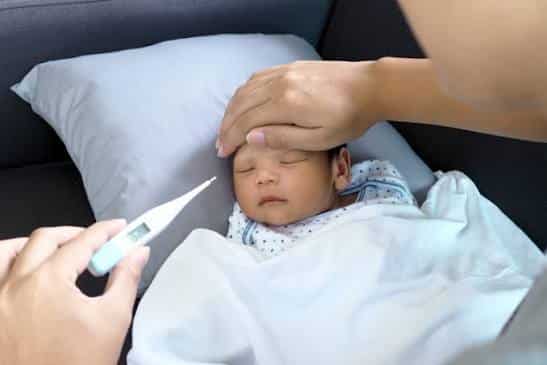
Influenza (flu) infection in infants can lead to serious illness, so it is essential for parents to understand the risks, recognize symptoms early, and know prevention and treatment measures.
Why Infants Are at Risk
-
Infants have a developing immune system, making them more vulnerable to severe illness from the flu compared to older children and adults.
-
Babies under 6 months cannot receive the flu vaccine themselves, but those 6 months and older should get vaccinated annually.
-
Adults and older children in close contact with infants should also be vaccinated to help protect the baby (cocooning).
How Influenza Spreads
-
The virus spreads through droplets in the air when an infected person coughs, sneezes, or talks.
-
Contact with contaminated surfaces, toys, or hands is another route; infants often touch their faces or put objects in their mouths.
Signs and Symptoms
-
Fever (may be high or unexplained in newborns)
-
Cough, runny nose, or sore throat
-
Unusual tiredness, irritability, or refusing to feed
-
Body aches, chills, or headache
-
Vomiting and diarrhea (more common in young children)
-
Severe signs: difficulty breathing, dehydration (few wet diapers), persistent high fever, or lethargy
When to Seek Medical Attention
-
Immediate medical attention is needed for breathing problems, bluish lips, poor feeding, dehydration, persistent vomiting, or seizures.
-
Consult a healthcare provider if symptoms worsen, don’t improve after a few days, or if the child appears very unwell.
Prevention Tips
-
Annual flu vaccination for children 6 months and older is crucial.
-
Vaccinate household members and caregivers if the infant is under 6 months.
-
Practice good hand hygiene, respiratory etiquette (cover coughs and sneezes), and disinfect surfaces regularly.
-
Avoid contact with people who are sick.
-
Keep infants away from crowded places during peak flu season.
Treatment and Home Care
-
Antiviral medications (e.g., oseltamivir) may be prescribed for infants at high risk or with confirmed influenza, especially if started within 48 hours of symptom onset.
-
Manage fever with doctor-approved medications. Do not give aspirin to infants due to the risk of Reye’s syndrome.
-
Keep the infant hydrated, allow rest, and monitor for worsening symptoms.
Other Key Points for Parents
-
Breastfeeding is encouraged; if the mother has flu symptoms, milk can be expressed and fed by a healthy caregiver.
-
The flu shot does not cause the flu. Some infants may have mild side effects like low-grade fever after vaccination.
-
Infants should stay home and away from daycare or gatherings until fever-free for at least 24 hours without fever-reducing medications.
Parents play a vital role in protecting infants from influenza by maintaining vaccination schedules, enforcing hygiene, and seeking prompt care when needed.

Exclusive Breastfeeding in Newborns – What Parents Should Know
Exclusive breastfeeding (EBF) means giving your baby only breast milk for the first six months — no water, other liquids, or food. This is the ideal way to nourish a newborn, and the World Health Organization (WHO) and UNICEF strongly recommend it.
✅ Key Benefits of Exclusive Breastfeeding
1. Best Nutrition for Baby
-
Breast milk has the perfect balance of nutrients — proteins, fats, vitamins, and minerals.
-
It adapts to the baby’s growing needs.
2. Immunity Boost
-
Rich in antibodies, especially secretory IgA, that help fight infections.
-
Reduces risk of:
-
Respiratory infections
-
Diarrhea
-
Ear infections
-
Meningitis
-
Allergies and asthma
-
3. Supports Healthy Growth & Development
-
Promotes better brain development due to essential fatty acids (like DHA).
-
Supports healthy weight gain and gut development.
4. Emotional Bonding
-
Skin-to-skin contact during breastfeeding enhances bonding and emotional security.
-
Helps regulate baby’s heartbeat, breathing, and temperature.
5. Lower Risk of Chronic Diseases Later
-
Reduces risk of obesity, type 1 and type 2 diabetes, and certain cancers in later life.
6. Protects Mothers Too
-
Lowers mother’s risk of:
-
Breast and ovarian cancers
-
Postpartum depression
-
Type 2 diabetes
-
-
Helps uterus contract after delivery and reduces postpartum bleeding.
-
Acts as a natural contraceptive (lactational amenorrhea method) under specific conditions.
❗ What Parents Must Avoid
-
No water, juice, or formula unless medically indicated.
-
Avoid giving honey or gripe water — can be dangerous.
-
Do not delay feeding — respond to baby’s early hunger cues (rooting, sucking hands).
🍼 Common Myths Debunked
-
“I don’t have enough milk” – Colostrum (the first milk) is enough in the first few days; frequent feeding helps increase supply.
-
“Baby cries, so milk isn’t enough” – Crying is not always due to hunger.
-
“Formula is just as good” – Formula lacks live immune factors found in breast milk.
📌 Final Tips for Parents
-
Initiate breastfeeding within 1 hour of birth.
-
Feed on demand, not on a strict schedule.
-
Ensure proper latch and position to avoid pain and ensure effective feeding.
-
Seek help from a lactation consultant if you face challenges.
Breastfeeding is a gift only you can give your baby. It lays the foundation for a healthy start to life — physically, emotionally, and mentally.
Recent Posts

August 24, 2026
August 10, 2026