Medical Info For Parents

IMG_0067.jpeg
19/Aug/2025

Screen Time in Children – What Parents Need to

Know

Why Screen Time Matters

• Affects brain development, especially in under-5s

• May disturb sleep and daily routine

• Can cause eye strain and vision issues

• Reduces outdoor play → risk of obesity

• Can affect mood, focus, and social skills

Recommended Screen Time by Age

Age Recommendation

< 18 months Avoid screens (except video calls)

18–24 months If introduced, only high-quality content, with parent

2–5 years Up to 1 hour/day, supervised

6+ years No strict limit – focus on balance (sleep, play, school)

Healthy Screen Habits

• Watch together and discuss content

• Choose educational, age-appropriate programs

• Keep tech-free zones (meals, bedrooms, before bed)

• Encourage outdoor play, reading, and hobbies

• Use parental controls when needed

• Model healthy screen use yourself

Warning Signs of Too Much Screen Time

• Child gets angry when screen is removed

• Prefers screens over play and social interaction

• School performance declines

• Poor sleep or constant tiredness

• Frequent headaches, eye strain, or poor posture

■ Key Takeaway

Screens are not harmful if used wisely and in moderation. Balance is the key – quality content +

parental involvement + healthy routine make screen time safe and educational


IMG_0055.jpeg
27/May/2025

Cephalhematoma in a Newborn is a collection of blood between a newborn’s skull bone and the periosteum (the membrane covering the bone). It occurs due to rupture of blood vessels during delivery, often from pressure on the baby’s head during labor or use of delivery instruments like forceps or vacuum extractors.

Key Features:

  • Location: Always confined to one cranial bone, most commonly the parietal bone.

  • Does not cross suture lines (a distinguishing feature from caput succedaneum).

  • Appears several hours after birth, not immediately.

  • Firm, well-defined swelling on the head.

  • Skin over the swelling is not discolored, unlike in bruises.

Causes:

  • Birth trauma from:

    • Vaginal delivery

    • Prolonged labor

    • Instrumental delivery (forceps or vacuum)

    • Large baby (macrosomia)

Diagnosis:

  • Clinical examination is usually sufficient.

  • Imaging (ultrasound or CT) is rarely needed unless complications or other skull injuries are suspected.

Course and Management:

  • Benign and self-limiting — most resolve on their own over weeks to months.

  • No aspiration is recommended due to risk of infection.

  • Monitor for complications like:

    • Hyperbilirubinemia (due to breakdown of blood in the hematoma)

    • Anemia (rare)

    • Infection (very rare)


IMG_0006.jpeg
05/Nov/2024

The HPV (human papillomavirus) vaccine is recommended for children, typically starting at ages 9 years , to protect against certain types of HPV that can cause cancers later in life, including cervical, throat, anal, and genital cancers. Here’s what parents should know:

1. What the Vaccine Protects Against

The HPV vaccine helps protect against infections from the most common cancer-causing types of HPV. It also protects against genital warts and some other health conditions linked to HPV.

2. Timing and Dosing

  • Ages 9-14:  The vaccine is ideally given during early adolescence, before any potential exposure to HPV through sexual contact. Two doses are given, spaced 6 months apart.
  • Ages 15 and older: If a child starts the series at age 15 or older, they will need three doses over six months for full protection.

3. Safety

The HPV vaccine has been rigorously tested and is considered safe for children. Most side effects are mild, such as pain at the injection site, fever, or headache. Serious side effects are very rare.

4. Effectiveness

The HPV vaccine is most effective when given before exposure to the virus, which is why early vaccination is crucial. It’s highly effective in preventing infections from the types of HPV that cause most HPV-related cancers.

5. Why It’s Important

HPV is common, and most sexually active people will get it at some point. While most infections don’t cause problems, some types of HPV can lead to cancer later in life. Vaccination provides a way to prevent these cancers.

6. Long-Term Protection

Research shows that the HPV vaccine offers long-lasting protection against the virus. There’s no need for booster shots once the initial series is completed.

7. Addressing Concerns

Some parents may have concerns about the HPV vaccine, particularly around the idea of encouraging sexual activity. The vaccine is not linked to early sexual behavior and does not encourage sexual activity; it is simply a preventive health measure for the future.

8. The Global Impact

Countries with high HPV vaccination rates have seen significant drops in HPV-related cancers. Vaccinating children now can help reduce the incidence of these cancers in the future.

In summary, the HPV vaccine is a safe and effective way to protect your child from HPV-related cancers. It is best given at a young age, ideally around 9 years, before potential exposure to the virus. If you have concerns, it’s always a good idea to talk to your child’s healthcare provider for personalized advice.


IMG_0005.jpeg
01/Nov/2024

Excess oil usage in newborns can lead to several issues:

  1. Skin Irritation: Newborn skin is delicate and can be easily irritated. Excessive oil can clog pores and lead to rashes or acne.
  2. Allergic Reactions: Some oils may cause allergic reactions, leading to redness, swelling, or discomfort.
  3. Impaired Skin Barrier: Overuse of oil can disrupt the natural moisture balance and skin barrier function, making the skin more vulnerable to infections.
  4. Heat Rash: Oils can trap heat, potentially causing heat rash or increased discomfort in warm environments.
  5. Dirt and Bacteria Build-Up: Excess oil can attract dirt and bacteria, increasing the risk of infections.

For newborns, it’s usually best to use minimal products and consult a pediatrician before applying any oils.


download.jpg
10/Aug/2024

Introducing a weaning diet, also known as complementary feeding, is an important step in an infant’s development. Here’s a comprehensive guide on how to initiate a weaning diet in infants:

1. Timing

  • Age: The ideal age to start introducing solid foods is around 6 months. However, some infants might show readiness slightly earlier, between 4-6 months. It’s essential to ensure your baby is ready before starting.

2. Signs of Readiness

  • Head control: Your baby should be able to hold their head up and sit with minimal support.
  • Interest in food: Shows curiosity about what you’re eating, reaching for food or opening their mouth when offered a spoon.
  • Ability to chew: Even without teeth, your baby should be able to mash food with their gums.

3. First Foods

  • Start with single-ingredient foods: This helps in identifying any potential allergies or intolerances. Good first foods include:
    • Iron-fortified infant cereals (mixed with breast milk or formula)
    • Pureed fruits (bananas, apples, mango, pears)
    • Pureed vegetables (carrots, sweet potatoes, peas)

4. Introducing Solids

  • Consistency: Start with very thin and smooth purees and gradually thicken them as your baby gets used to the textures.
  • Small portions: Offer a few spoon fulls once or twice a day.
  • Frequency: Begin with one meal per day and gradually increase to 2-3 meals as your baby becomes more comfortable with eating.

5. Allergenic Foods

  • Introduce early: Contrary to previous beliefs, introducing allergenic foods early can actually help prevent allergies. Common allergenic foods include:
    • Peanuts
    • Eggs
    • Dairy
    • Wheat
    • Soy
    • Fish and shellfish
  • Method: Introduce one allergenic food at a time, waiting 3-5 days before introducing another, to monitor any reactions.

6. Variety and Texture

  • Progression: Move from purees to mashed foods and then to soft finger foods as your baby’s chewing and motor skills develop.
  • Variety: Offer a variety of foods to expose your baby to different flavors and textures. This also ensures they get a wide range of nutrients.

7. Safety Tips

  • Choking hazards: Avoid foods that pose a choking risk, such as whole grapes, nuts, popcorn, and hard candies.
  • Supervision: Always supervise your baby while they are eating.
  • Hygiene: Ensure utensils and food preparation areas are clean to prevent foodborne illnesses.

8. Responsive Feeding

  • Cues: Pay attention to your baby’s hunger and fullness cues. Allow them to eat at their own pace and stop when they indicate they are full.
  • Patience: Some foods might be rejected initially. It can take several attempts before a baby accepts a new food.

9. Drinks

  • Breast milk or formula: Continue offering breast milk or formula as the primary source of nutrition until at least 12 months.
  • Water: Small amounts of water can be introduced around 6 months, especially with meals.
  • Avoid: Avoid giving juice, or sugary drinks to infants under 12 months.

10. Creating a Routine

  • Consistent mealtimes: Establish a routine that includes regular mealtimes, which helps babies develop healthy eating habits.
  • Family meals: Whenever possible, include your baby in family meals to encourage social interaction and mimicry of eating behaviors.

11. Consultation

  • Pediatrician: Always consult with a pediatrician or a healthcare provider if you have any concerns about your baby’s diet or if you suspect food allergies.

Summary

Initiating a weaning diet is a gradual process that involves patience and attentiveness to your baby’s needs and responses. By providing a balanced variety of foods and textures, you help your baby develop healthy eating habits and nutritional preferences that will last a lifetime.


images-1.jpg
05/Aug/2024

Ensuring that children get proper sleep is crucial for their physical and mental development. Here are some key points parents should know:

1. Recommended Sleep Duration

  • Newborns (0-3 months): 14-17 hours per day
  • Infants (4-11 months): 12-15 hours per day
  • Toddlers (1-2 years): 11-14 hours per day
  • Preschoolers (3-5 years): 10-13 hours per day
  • School-age children (6-13 years): 9-11 hours per day
  • Teenagers (14-17 years): 8-10 hours per day

2. Consistent Sleep Schedule

  • Maintain regular bedtimes and wake-up times, even on weekends.
  • Consistency helps regulate the body’s internal clock.

3. Creating a Sleep-Conducive Environment

  • Keep the bedroom dark, cool, and quiet.
  • Limit exposure to screens (TVs, tablets, phones) at least an hour before bed, as the blue light can interfere with melatonin production.

4. Bedtime Routine

  • Establish a calming bedtime routine, such as reading a book, taking a bath, or listening to soft music.
  • Routines signal to the body that it’s time to wind down.

5. Diet and Nutrition

  • Avoid heavy meals, caffeine, and sugary foods close to bedtime.
  • A light snack before bed is okay, but it should be nutritious and not too filling.

6. Physical Activity

  • Encourage regular physical activity during the day, but avoid vigorous exercise close to bedtime.

7. Addressing Sleep Issues

  • If a child has trouble falling or staying asleep, it may be helpful to track their sleep patterns and consult a pediatrician.
  • Common issues include nightmares, night terrors, sleepwalking, and sleep apnea.

8. Understanding Developmental Changes

  • Be aware that sleep needs and patterns can change with age and developmental stages.
  • For teenagers, biological changes can lead to a natural shift in sleep-wake cycles, making them prone to staying up later and waking up later.

9. Encouraging Independence

  • For younger children, encourage self-soothing techniques to help them fall back asleep on their own if they wake up during the night.

10. Modeling Good Sleep Habits

  • Children often mimic their parents’ behaviors, so it’s essential for parents to model good sleep hygiene.

Good sleep is vital for children’s growth, learning, and overall well-being. If parents have concerns about their child’s sleep, consulting your pediatrician is advisable.


ORS.png
26/Jul/2024

Understanding ORS

  • Purpose: ORS helps replenish fluids and electrolytes lost due to diarrhea.
  • Composition: A balanced mixture of water, salts, and sugars.

Importance of ORS

  • Prevents Dehydration: Replaces lost fluids and vital salts (sodium, potassium).
  • Effective and Safe: Proven to reduce mortality and severity of diarrhea-related dehydration.
  • Accessible: Can be prepared at home or purchased pre-mixed.

Preparing ORS at Home

If commercial ORS is unavailable, it can be made at home:

  1. Ingredients:
    • 1 liter of clean drinking water (4.2 cups)
    • 6 level teaspoons of sugar (30 ml)
    • 0.5 level teaspoon of salt (2.5 ml)
  2. Instructions:
    • Dissolve the sugar and salt in the water thoroughly.
    • Use within 24 hours to ensure effectiveness.

Administering ORS

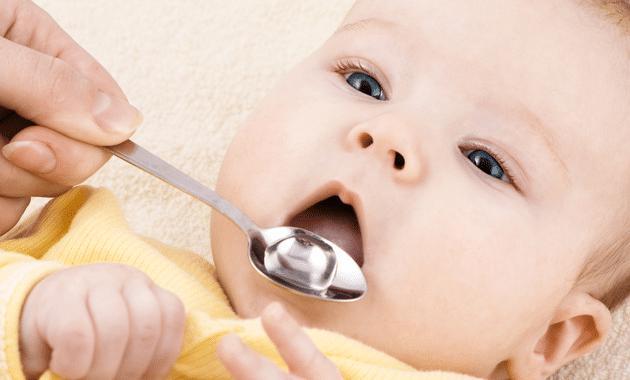
  • Frequent and Small Amounts: Offer small sips frequently, especially after each episode of diarrhea.
  • Use Appropriate Tools: Administer with a spoon or cup, avoiding bottles for better control.
  • Monitor Hydration: Check for signs of adequate hydration, such as normal urination, alertness, and moist mouth.

Signs of Dehydration

  • Mild to Moderate: Increased thirst, dry mouth, fewer wet diapers or trips to the bathroom.
  • Severe: Very dry mouth and skin, sunken eyes, no tears when crying, sunken soft spot on an infant’s head, lethargy or irritability, rapid heartbeat.

When to Seek Medical Help

  • Persistent Diarrhea: Lasting more than a few days.
  • Severe Dehydration: Especially if accompanied by the severe signs listed above.
  • Additional Symptoms: High fever, blood in stool, vomiting, or if the child is very young (infants).

Additional Tips for Parents

  • Continue Feeding: Offer regular meals alongside ORS to maintain nutrition.
  • Breastfeeding: Continue breastfeeding if applicable, as it provides essential nutrients and additional hydration.
  • Maintain Hygiene: Good hygiene practices are crucial to prevent infections that can cause diarrhea.

Practical Advice

  • Storage: Store ORS in a clean container and use within 24 hours.
  • Education: Learn and practice the preparation of ORS, especially when traveling to areas where commercial ORS might be unavailable.
  • Awareness: Recognize the signs of dehydration early and act promptly.

By understanding and effectively using ORS, parents can significantly improve their child’s recovery from diarrhea and prevent severe dehydration.


Dr. Vibin KV

Dr. Vibin KV is best pediatrician in south Delhi, near safdarjung enclave. He has over 14 years experience in managing sick children from newborn to 18 years of age.
Conditions treated and services provided at the clinic include:
1) Respiratory illnesses with cough or noisy breathing- bronchiolitis, bronchitis, pneumonia, wheezing, asthma, foreign body, Inhaler therapy etc.
2) Vaccinations in all age groups.
3) New Born baby care.
4) Diarrhea, dysentery, dehydration.
5) Liver and Kidney Failure.
6) Brain infection including meningitis, encephalitis etc.
7) Urinary problems like Urinary tract infection, poor urine stream, painful urine, tight skin of the penis (phimosis) or paraphimosis, redness or pus at penis area.
8) Nephrotic syndrome and other Kidney related problems.
9) Jaundice, Hepatitis.
10) Poor growth, short stature, overweight, obesity.
11) Childhood diabetes and other endocrine problems in children.
12) Colic in infants.
13) Constipation in infants and older children.
14) Skin conditions like allergies, eczema, dermatitis, herpes, Rashes, dry skin, Dandruff, white patch over face, hair fall, dry scalp, diaper rash, nail problems etc.
15) Hernia or hydrocele- swelling in umbilical, swelling in testis, swelling in inguinal region.
16) Fever and Infections (bacterial, viral, fungal etc)
17) Seizures - Epilepsy, Febrile seizures.
18) worm infestations
19) Fall from height, head injury, Trauma, fractures (bone injury) etc.
20) PICC line and central line insertions.
21) Day care and Inpatient care facilities.
22) Adolescent care - emotional, psychological health.
23) Autism, ADHD, hyperactivity, learning disabilities, Developmental delay.
24) Short surgical procedures needing IV sedation.

Copyright by Dr. VibinKV 2023. All rights reserved.