Medical Info For Parents

IMG_0123.webp
14/May/2026

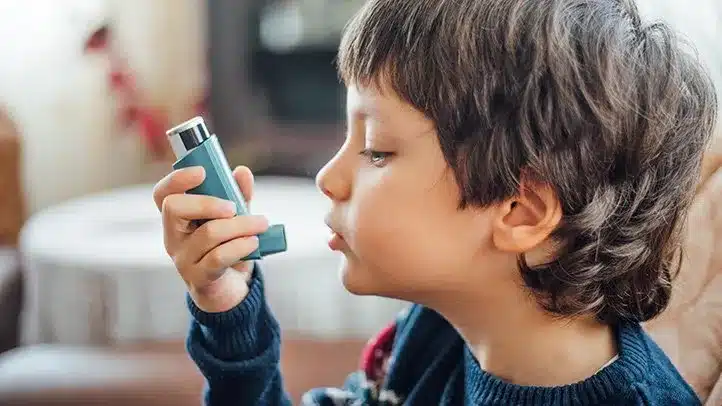
Inhaler therapy in children – what parents need to know
Inhalers vs. Nebulizers
​In contemporary pediatric practice, Inhalers (Metered-Dose Inhalers or MDIs) used with a spacer are often considered the preferred method for treating wheezing and bronchitis in children.
​Efficiency: A spacer helps the medication reach the small airways in the lungs more effectively than a nebulizer, which often deposits a large portion of the medicine in the back of the throat or the nose.
​Speed: An inhaler dose can be administered in about a minute, whereas a nebulizer takes 10 to 15 minutes.
​Portability: Inhalers do not require a power source and are much easier to use while traveling or at school.
​Side Effects: Because inhalers deliver a more precise dose directly to the lungs, children often experience fewer systemic side effects, such as a racing heart or “jitters,” compared to nebulized medication.
Addressing the “Addiction” Myth
​One of the most persistent myths in pediatric care is that a child will become “addicted” or “used to” an inhaler.
​No Physical Dependency: The medications used in inhalers (such as bronchodilators or mild inhaled corticosteroids) are not habit-forming. They do not affect the brain’s reward system like addictive substances.
​Disease vs. Treatment: If a child needs an inhaler frequently, it is not because they are addicted to the medicine; it is because their airway inflammation is persistent. The inhaler is treating a recurring condition, much like glasses help a person see—you don’t become “addicted” to glasses, you simply need them to function correctly.
​Preventing Lung Damage: Using an inhaler as prescribed actually helps prevent long-term scarring or remodeling of the airways that can occur if wheezing is left untreated.

IMG_0114-1200x800.jpeg
15/Jan/2026

Skin Protection

​Winter air is dry and harsh, and snow reflects up to 80% of UV rays.
​Sunscreen: Yes, even in winter. Apply to exposed faces, especially if there is snow on the ground.
​Moisturize: Prevents “winter itch” and eczema flare-ups. Apply thick creams (ointments are better than lotions) immediately after baths.
​Chapped Lips/Cheeks: Use a barrier balm (like petroleum jelly or a stick balm) on lips and cheeks before going outside to prevent windburn.
​Hydration: Kids often don’t feel thirsty in the cold, but they still lose fluids. Encourage water intake to help their bodies regulate temperature.

IMG_0012.jpeg
09/Dec/2024

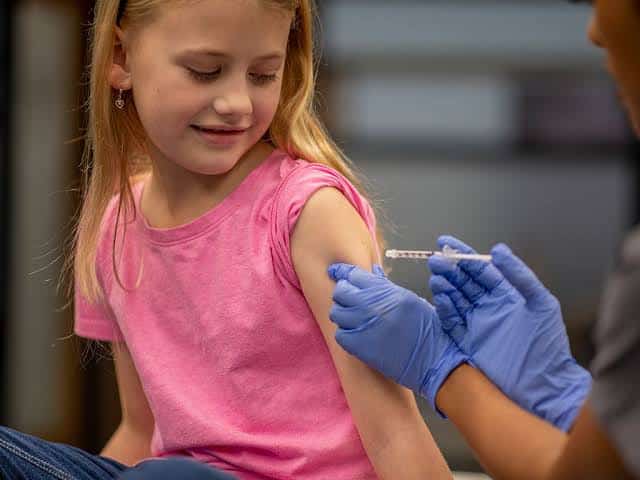
Flu vaccination is an important way to protect children from the seasonal flu, which can lead to serious illness, hospitalization, or even death. Here’s what parents should know about flu vaccines for children:

1. Age Recommendations:

  • The CDC recommends that all children 6 months and older get the flu vaccine every year.
  • Children under 6 months cannot receive the flu vaccine.

2. Types of Flu Vaccines:

  • Flu shot: This is the most common form, given as an injection in the arm. It is approved for children aged 6 months and older.
  • Nasal spray flu vaccine (FluMist): This is a nasal spray option, approved for children aged 2 years through 49 years who are healthy and do not have certain medical conditions (e.g., asthma).

3. Timing:

  • It’s best to get the flu vaccine before the flu season starts, ideally by October, but getting it later in the season still offers protection.
  • The flu season typically peaks between December and February.

4. Dosage for Children:

  • Children aged 6 months to 8 years who are getting the flu vaccine for the first time need two doses spaced at least 4 weeks apart.
  • After the initial year of vaccination, one dose per year is typically enough.

5. Safety and Side Effects:

  • The flu vaccine is generally safe and well-tolerated.
  • Common side effects include soreness at the injection site, mild fever, or fatigue. These are usually short-lived.
  • Serious side effects, such as allergic reactions, are rare.

6. Effectiveness:

  • While the flu vaccine is not 100% effective, it significantly reduces the risk of severe illness, hospitalization, and complications from the flu.
  • Effectiveness can vary from year to year, depending on the match between the circulating flu strains and the vaccine.

7. Why It’s Important:

  • Children, especially those under 5, are at higher risk for serious complications from the flu.
  • Vaccinating children helps protect vulnerable individuals, including infants, elderly family members, and those with weakened immune systems.

8. Exemptions:

  • Children with certain medical conditions (e.g., severe allergies to vaccine components) should consult their pediatrician before receiving the vaccine.
  • If your child has had a severe allergic reaction to a flu vaccine in the past, they should not get another dose.

9. Flu vs. Cold:

  • The flu is different from the common cold. It can cause more severe symptoms like high fever, body aches, and fatigue.
  • A flu vaccine does not protect against the common cold, which is caused by different viruses.

In conclusion, flu vaccination is an essential tool for keeping children healthy during the flu season and reducing the burden on healthcare systems. Parents should consult their child’s pediatrician for guidance specific to their child’s health needs.


Dr. Vibin KV

Dr. Vibin KV is best pediatrician in south Delhi, near safdarjung enclave. He has over 14 years experience in managing sick children from newborn to 18 years of age.
Conditions treated and services provided at the clinic include:
1) Respiratory illnesses with cough or noisy breathing- bronchiolitis, bronchitis, pneumonia, wheezing, asthma, foreign body, Inhaler therapy etc.
2) Vaccinations in all age groups.
3) New Born baby care.
4) Diarrhea, dysentery, dehydration.
5) Liver and Kidney Failure.
6) Brain infection including meningitis, encephalitis etc.
7) Urinary problems like Urinary tract infection, poor urine stream, painful urine, tight skin of the penis (phimosis) or paraphimosis, redness or pus at penis area.
8) Nephrotic syndrome and other Kidney related problems.
9) Jaundice, Hepatitis.
10) Poor growth, short stature, overweight, obesity.
11) Childhood diabetes and other endocrine problems in children.
12) Colic in infants.
13) Constipation in infants and older children.
14) Skin conditions like allergies, eczema, dermatitis, herpes, Rashes, dry skin, Dandruff, white patch over face, hair fall, dry scalp, diaper rash, nail problems etc.
15) Hernia or hydrocele- swelling in umbilical, swelling in testis, swelling in inguinal region.
16) Fever and Infections (bacterial, viral, fungal etc)
17) Seizures - Epilepsy, Febrile seizures.
18) worm infestations
19) Fall from height, head injury, Trauma, fractures (bone injury) etc.
20) PICC line and central line insertions.
21) Day care and Inpatient care facilities.
22) Adolescent care - emotional, psychological health.
23) Autism, ADHD, hyperactivity, learning disabilities, Developmental delay.
24) Short surgical procedures needing IV sedation.

Copyright by Dr. VibinKV 2023. All rights reserved.