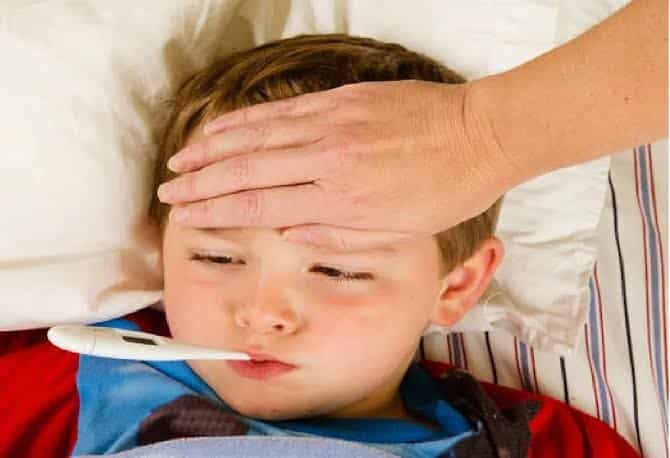
Parents should avoid several common mistakes when caring for a child with high fever, as these can worsen symptoms or pose risks to health.
Heavy clothing and thick blankets trap heat and can make fever worse; always use light clothing and a thin sheet.
Rubbing alcohol can result in poisoning through skin absorption; ice water or cold baths can trigger chills and raise body temperature instead of lowering it.
Aspirin can cause Reye syndrome, a rare but potentially fatal condition in children with viral illnesses; stick to acetaminophen or ibuprofen but never aspirin.
Do not force-feed children who have lost appetite; offer food and fluids, but let them eat what they can comfortably tolerate.
Spices and tea can raise body temperature and irritate the digestive tract, while very cold drinks can worsen discomfort.
Overmedicating or using different fever reducers simultaneously can cause harmful side effects and overdose risk.
Do not focus only on fever; always watch for other symptoms (like rash, repetitive vomiting, or lethargy) and seek medical care as needed.
Do not use inaccurate thermometers or fail to check temperature precisely; always confirm fever with an accurate device.
Never put objects in a child’s mouth during a seizure caused by fever; this can lead to choking or injury—focus on proper seizure first aid.
Never delay seeking a doctor’s help if a child is younger than 3 months with any fever, or if a fever persists, is very high, or is accompanied by concerning symptoms like dehydration or convulsions.
These precautions help ensure safe and supportive care during childhood fevers, preventing avoidable complications and promoting recovery.
Screen Time in Children – What Parents Need to
Know
Why Screen Time Matters
• Affects brain development, especially in under-5s
• May disturb sleep and daily routine
• Can cause eye strain and vision issues
• Reduces outdoor play → risk of obesity
• Can affect mood, focus, and social skills
Recommended Screen Time by Age
Age Recommendation
< 18 months Avoid screens (except video calls)
18–24 months If introduced, only high-quality content, with parent
2–5 years Up to 1 hour/day, supervised
6+ years No strict limit – focus on balance (sleep, play, school)
Healthy Screen Habits
• Watch together and discuss content
• Choose educational, age-appropriate programs
• Keep tech-free zones (meals, bedrooms, before bed)
• Encourage outdoor play, reading, and hobbies
• Use parental controls when needed
• Model healthy screen use yourself
Warning Signs of Too Much Screen Time
• Child gets angry when screen is removed
• Prefers screens over play and social interaction
• School performance declines
• Poor sleep or constant tiredness
• Frequent headaches, eye strain, or poor posture
■ Key Takeaway
Screens are not harmful if used wisely and in moderation. Balance is the key – quality content +
parental involvement + healthy routine make screen time safe and educational
Diabetic Ketoacidosis (DKA) in Children – What Parents Need to Know
Diabetic Ketoacidosis (DKA) is a serious and potentially life-threatening complication of diabetes, especially Type 1 diabetes in children. It occurs when the body doesn’t have enough insulin and begins to break down fat for energy, producing ketones that make the blood acidic.
Missed or insufficient insulin doses
New onset of undiagnosed diabetes
Infection or illness (fever, vomiting, etc.)
Stress or trauma
Malfunctioning insulin pump
Parents should watch out for the following symptoms:
Excessive thirst and urination
Weight loss
Fatigue or weakness
Nausea or vomiting
Abdominal pain
Rapid breathing (deep, heavy breathing called Kussmaul respiration)
Fruity-smelling breath
Confusion or drowsiness
Dry mouth and skin
Sunken eyes
Call your doctor or go to the emergency room immediately if your child:
Has vomiting or stomach pain
Shows drowsiness or confusion
Is breathing abnormally
Has very high blood sugar levels
Has moderate to high ketones in blood or urine
Doctors check:
Blood sugar levels (usually >250 mg/dL)
Ketones in urine or blood
Blood pH and bicarbonate levels (indicating acidosis)
Electrolytes (sodium, potassium)
Signs of dehydration
DKA is treated in a hospital, often in the pediatric ICU:
IV fluids to treat dehydration
Insulin to reduce blood glucose and ketones
Electrolyte replacement
Monitoring and treating underlying causes like infections
Ensure your child takes insulin on time, without missing doses
Monitor blood glucose and ketone levels regularly, especially during illness
Follow a sick-day plan provided by the doctor
Educate your child about signs of high blood sugar and ketones
Always have test strips for ketones and a glucose meter
Have a medical ID for your child indicating diabetes
DKA is preventable with proper diabetes management
Early recognition and prompt action can save your child’s life
Regular follow-ups with a pediatric endocrinologist are essential
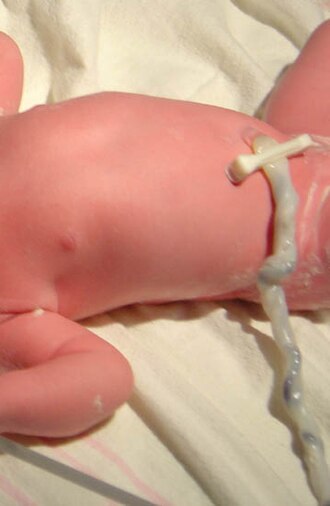
The BCG (Bacillus Calmette-Guérin) vaccine is given to protect against tuberculosis (TB) and is part of the routine immunization schedule in many countries. It is usually administered at birth or shortly after.
Here’s what parents should know about the BCG scar:
Local Reaction Timeline:
First few days: Small red bump may appear.
2–4 weeks later: Bump turns into a blister or ulcer.
6–12 weeks: It may ooze slightly and form a scab.
By 3–6 months: Heals to form a small, round scar.
Scar Size:
The final scar is usually 5–10 mm in diameter.
Not all babies develop a prominent scar — but the vaccine may still be effective.
Excessive swelling or pus: A little discharge is normal, but large amounts of pus or a persistent wound (>6 weeks) should be evaluated.
Enlarged lymph nodes (especially under the arm) that are tender or growing.
Fever or signs of infection unrelated to normal healing.
No reaction at all after 3 months: Not usually a concern, but mention it during follow-up visits.
Don’t apply creams or ointments on the BCG site.
Avoid bandaging unless instructed by a doctor.
Let the area stay dry and clean.
Do not try to pop or drain the blister.
A visible BCG scar often indicates the body has responded to the vaccine.
The presence or absence of a scar doesn’t guarantee immunity, but is usually a normal part of the process.
Ticks are small, spider-like parasites that attach to the skin and feed on blood. While most tick bites are harmless, some can transmit serious diseases. Here’s a guide to help parents understand what to do if their child gets a tick bite and how to prevent future bites.
Often painless at first.
May leave a small red bump, similar to a mosquito bite.
You may find the tick still attached to your child’s skin.
Remove the tick promptly:
Use fine-tipped tweezers.
Grasp the tick as close to the skin as possible.
Pull upward with steady, even pressure—don’t twist or jerk.
Avoid squeezing or crushing the tick’s body.
Clean the area:
Wash the bite site with soap and water.
Apply antiseptic.
Save the tick (optional):
Place it in a sealed container or zip-lock bag.
This can help identify the type if symptoms develop.
Watch for signs of tick-borne illnesses in the days to weeks following a bite:
Red rash or bull’s-eye rash (especially in Lyme disease)
Fever or chills
Fatigue
Headache
Muscle or joint aches
Swollen lymph nodes
Seek medical care if any of these symptoms appear, especially after a tick bite.
You can’t remove the entire tick.
A rash or flu-like symptoms develop.
You live in or have visited an area with high rates of tick-borne illnesses.
Your child appears very unwell after a bite.
Use tick repellents (with DEET or picaridin) on skin and permethrin on clothing.
Dress children in long sleeves and pants, tucking pants into socks.
Avoid brushy or wooded areas, especially in spring and summer.
Check your child (and pets) for ticks after outdoor play—especially the scalp, ears, armpits, groin, and behind the knees.
Shower within 2 hours of coming indoors.
Don’t use petroleum jelly, nail polish, or a hot match to remove a tick—these methods can irritate the tick and increase disease risk.
If you’re in a region known for Lyme disease or other tick-related illnesses, it’s worth discussing with your pediatrician about local risks and whether prophylactic antibiotics are needed after a bite.
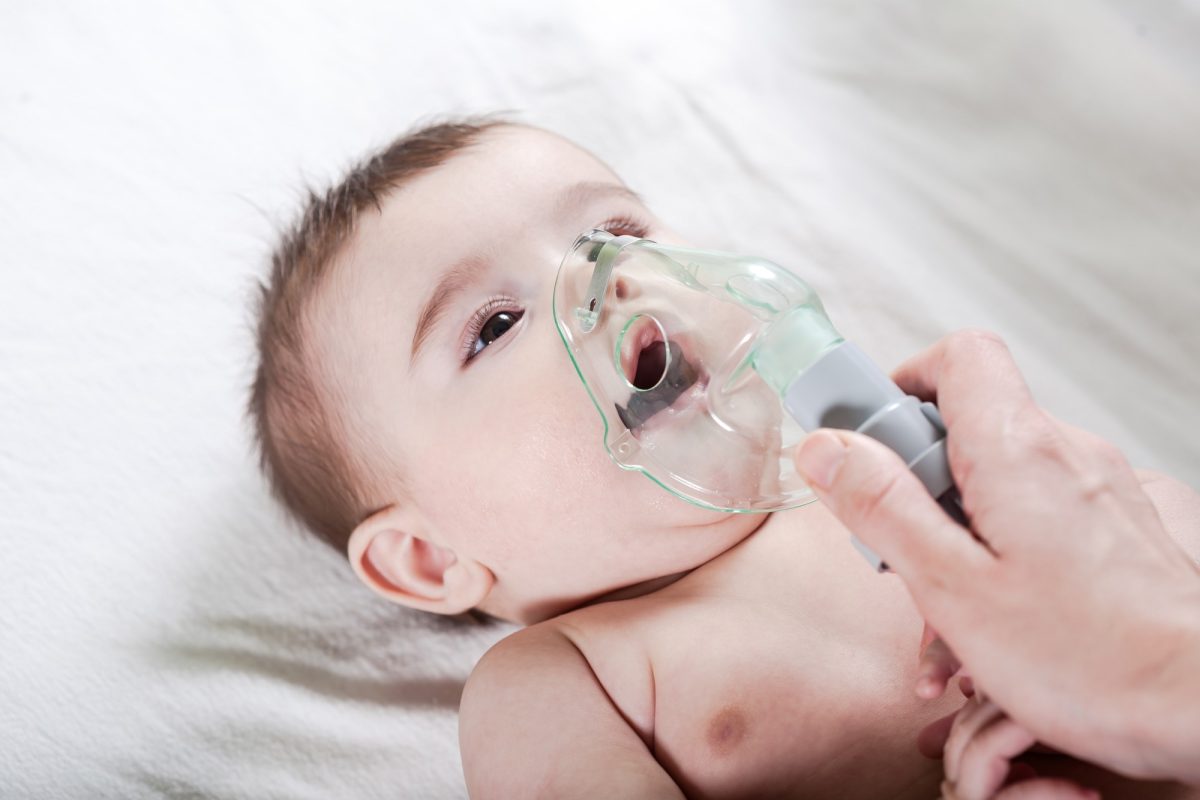
Fast breathing in an infant can be a normal response or a sign of an underlying health problem. Here’s what parents should know to recognize when it’s a concern and when to seek help.
Newborns (0–2 months): 30–60 breaths per minute
Infants (2–12 months): 20–50 breaths per minute
Note: Infants often breathe irregularly, with occasional pauses or bursts of rapid breathing (especially during sleep). This is usually normal.
Fast breathing (tachypnea) can signal several conditions, especially if it comes with other symptoms:
Crying or fussing
Fever: Increased body temperature can increase breathing rate.
Recent feeding: Some babies breathe faster briefly after eating.
Respiratory infections (e.g., bronchiolitis, pneumonia)
Asthma (less common in very young infants)
Congenital heart disease
Sepsis or serious infections
Metabolic disorders
Call your doctor or go to the ER if your baby has:
Breathing rate consistently over 60 breaths/min
Nostrils flaring while breathing
Grunting sounds during exhalation
Chest retractions (ribs or sternum pulling in with each breath)
Bluish lips, tongue, or skin
Poor feeding
Lethargy or difficulty waking
Persistent cough, wheezing, or high-pitched sounds when breathing
Check oxygen levels with a pulse oximeter
Listen to lungs and heart
Order a chest X-ray or lab tests
Monitor for dehydration or signs of infection
Keep baby calm: crying can increase breathing rate
Track symptoms: note when it started, how fast they’re breathing, and any other signs
Keep baby upright: this may ease breathing
Avoid smoke exposure and sick contacts
Fast breathing in an infant isn’t always a medical emergency, but trust your instincts—if your baby seems unwell or you’re unsure, get checked promptly.