Medical Info For Parents

IMG_0057.jpeg
03/Jun/2025

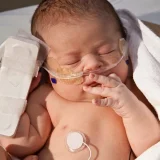
Fast breathing in an infant can be a normal response or a sign of an underlying health problem. Here’s what parents should know to recognize when it’s a concern and when to seek help.


🚼 What Is Normal Breathing in Infants?

  • Newborns (0–2 months): 30–60 breaths per minute

  • Infants (2–12 months): 20–50 breaths per minute

  • Note: Infants often breathe irregularly, with occasional pauses or bursts of rapid breathing (especially during sleep). This is usually normal.


⚠️ When Fast Breathing Might Be a Concern

Fast breathing (tachypnea) can signal several conditions, especially if it comes with other symptoms:

✅ Common Causes (Non-emergency):

  • Crying or fussing

  • Fever: Increased body temperature can increase breathing rate.

  • Recent feeding: Some babies breathe faster briefly after eating.

🚨 Concerning Causes:

  • Respiratory infections (e.g., bronchiolitis, pneumonia)

  • Asthma (less common in very young infants)

  • Congenital heart disease

  • Sepsis or serious infections

  • Metabolic disorders


🚨 When to Seek Medical Help Immediately

Call your doctor or go to the ER if your baby has:

  • Breathing rate consistently over 60 breaths/min

  • Nostrils flaring while breathing

  • Grunting sounds during exhalation

  • Chest retractions (ribs or sternum pulling in with each breath)

  • Bluish lips, tongue, or skin

  • Poor feeding

  • Lethargy or difficulty waking

  • Persistent cough, wheezing, or high-pitched sounds when breathing


👩‍⚕️ What a Doctor Might Do

  • Check oxygen levels with a pulse oximeter

  • Listen to lungs and heart

  • Order a chest X-ray or lab tests

  • Monitor for dehydration or signs of infection


🏠 What You Can Do at Home

  • Keep baby calm: crying can increase breathing rate

  • Track symptoms: note when it started, how fast they’re breathing, and any other signs

  • Keep baby upright: this may ease breathing

  • Avoid smoke exposure and sick contacts


Summary

Fast breathing in an infant isn’t always a medical emergency, but trust your instincts—if your baby seems unwell or you’re unsure, get checked promptly.


IMG_0038.jpeg
17/Dec/2024

Cough syrups are generally not recommended for infants under 6 months of age because:

  1. Immature Immune and Digestive Systems: Infants’ bodies are not developed enough to process the active ingredients in many cough syrups.
  2. Risk of Side Effects: Over-the-counter medications can cause serious side effects in infants, including drowsiness, difficulty breathing, or allergic reactions.
  3. Limited Efficacy: Research has shown that these medications often do not work well for young children and can be potentially harmful.

What to Do Instead:

  • Keep the Baby Hydrated: Ensure they are getting enough breast milk or formula.
  • Use Saline Drops: For nasal congestion, saline drops and gentle suction can help.
  • Humidify the Air: A cool-mist humidifier can ease breathing by keeping the air moist.
  • Frequent Position Changes: Holding the baby upright may provide relief.
  • Consult a Pediatrician: Always check with your pediatrician for safe remedies and to rule out serious conditions.

Never administer medication without professional guidance, especially for infants.


IMG_0008.jpeg
14/Nov/2024

When air pollution levels are high, it’s especially important for parents to take extra precautions to protect their children, as their developing bodies are more vulnerable to the harmful effects of polluted air. Here’s what parents should know about managing care during air pollution:

1. **Health Risks of Air Pollution for Children**
– **Respiratory Problems**: Children are more likely to develop asthma, bronchitis, and other respiratory issues due to exposure to polluted air.
– **Increased Vulnerability**: Young children breathe more air (and more pollutants) relative to their size, and their lungs are still developing.
– **Long-term Effects**: Chronic exposure to polluted air can lead to long-term health problems, including impaired lung development and increased risk of cardiovascular diseases.

2. **Monitor Air Quality**
– **Check Air Quality Index (AQI)**: Stay updated on the Air Quality Index (AQI) in your area, especially during days when pollution is high. Various apps and websites provide real-time AQI data.
– **Know the Pollution Sources**: Pollution may come from traffic, industrial emissions, wildfires, or weather patterns. During high-pollution days (such as during wildfire season or smog), take extra caution.

3. **Reduce Outdoor Exposure**
– **Limit Outdoor Activities**: On days with high pollution, limit outdoor play or sports, especially for children with asthma or preexisting respiratory conditions. If outside activities are unavoidable, try to do them during times when pollution levels are lower (often early morning or late evening).
– **Indoor Alternatives**: Encourage indoor play or exercise when pollution levels are high. Activities like reading, art, or board games can keep children engaged inside.

4. **Ensure Good Indoor Air Quality**
– **Keep Windows Closed**: On high-pollution days, keep windows and doors closed to prevent outdoor pollutants from entering the home.
– **Ventilate When Safe**: If outdoor air quality improves, ventilate your home by opening windows briefly to refresh the air inside.

5. Health Precautions for Sensitive Children**

– **Asthma and Allergies**: If your child has asthma or allergies, follow your doctor’s advice on medication and treatment plans. In some cases, parents may need to adjust or increase the use of inhalers or other medications.
– **Monitor Symptoms**: Keep an eye out for signs of breathing difficulties (coughing, wheezing, shortness of breath) and take appropriate action if symptoms worsen.
– **Hydration and Nutrition**: Encourage children to stay hydrated and eat healthy foods that support immune and respiratory health, like fruits rich in antioxidants (e.g., apples, oranges).

6. **Signs of Trouble and When to Seek Medical Help**
– **Breathing Issues**: If your child shows signs of shortness of breath, persistent coughing, or unusual fatigue during or after exposure to polluted air, seek medical advice.
– **Asthma Attacks**: If your child has an asthma attack, follow the prescribed emergency treatment (e.g., inhaler use) and seek medical help if symptoms don’t improve.

7. **Educate Children About the Risks**
– **Awareness**: Teach older children about the dangers of air pollution and encourage them to avoid outdoor activities when pollution levels are high.
– **Safe Habits**: Explain the importance of avoiding strenuous exercise outside on polluted days and encourage wearing protective masks if necessary (though consult a healthcare provider before using masks for children).

By taking these precautions, parents can help minimize the harmful effects of air pollution on their children’s health, particularly during times of high pollution.


IMG_0413.jpeg
30/Oct/2023

A barking cough in children could be a symptom of croup, which is often caused by a viral infection affecting the upper airways.
It can be very disturbing for the child and care takers.
If your child has a barking cough, especially if it’s accompanied by difficulty breathing or a high-pitched sound when inhaling, it’s important to consult your pediatrician immediately.

They can assess the severity and recommend appropriate treatment, which may include humidified air, fluids, or medications.
Avoid to self medicate as this can sometimes lead to complicated situations. In few occasions, children might have to get admitted in the hospital for more frequent medications and monitoring.

Kindly contact your child’s pediatrician for any queries if such scenario arises.


IMG_0401.jpeg
08/Aug/2023

During a viral cough, there are several precautions children should take:

  1. Hygiene: Teach them proper handwashing techniques to prevent the spread of germs.
  2. Cover Coughs and Sneezes: Encourage them to cough or sneeze into their elbow or a tissue to prevent the spread of respiratory droplets.
  3. Avoid Close Contact: Advise them to avoid close contact with sick individuals to minimize the risk of infection.
  4. Stay Home: If they’re sick, it’s important for them to stay home from school or other activities to prevent spreading the virus to others.
  5. Hydration and Rest: Make sure they drink plenty of fluids and get enough rest to aid in their recovery.
  6. Proper Disposal of Tissues: Teach them to dispose of used tissues properly and wash their hands afterward.
  7. Avoid Touching Face: Remind them not to touch their eyes, nose, or mouth with unwashed hands.
  8. Regular Cleaning: Keep their living space clean and well-ventilated, and regularly clean frequently-touched surfaces.
  9. Healthy Diet: Encourage them to eat a balanced diet to support their immune system.
  10. Consult your pediatrician: If the cough persists, worsens, or is accompanied by other concerning symptoms including fast breathing or noisy breathing

Remember, these are general precautions. It’s important to follow guidance from your pediatrician for specific situations.


Dr. Vibin KV

Dr. Vibin KV is best pediatrician in south Delhi, near safdarjung enclave. He has over 14 years experience in managing sick children from newborn to 18 years of age.
Conditions treated and services provided at the clinic include:
1) Respiratory illnesses with cough or noisy breathing- bronchiolitis, bronchitis, pneumonia, wheezing, asthma, foreign body, Inhaler therapy etc.
2) Vaccinations in all age groups.
3) New Born baby care.
4) Diarrhea, dysentery, dehydration.
5) Liver and Kidney Failure.
6) Brain infection including meningitis, encephalitis etc.
7) Urinary problems like Urinary tract infection, poor urine stream, painful urine, tight skin of the penis (phimosis) or paraphimosis, redness or pus at penis area.
8) Nephrotic syndrome and other Kidney related problems.
9) Jaundice, Hepatitis.
10) Poor growth, short stature, overweight, obesity.
11) Childhood diabetes and other endocrine problems in children.
12) Colic in infants.
13) Constipation in infants and older children.
14) Skin conditions like allergies, eczema, dermatitis, herpes, Rashes, dry skin, Dandruff, white patch over face, hair fall, dry scalp, diaper rash, nail problems etc.
15) Hernia or hydrocele- swelling in umbilical, swelling in testis, swelling in inguinal region.
16) Fever and Infections (bacterial, viral, fungal etc)
17) Seizures - Epilepsy, Febrile seizures.
18) worm infestations
19) Fall from height, head injury, Trauma, fractures (bone injury) etc.
20) PICC line and central line insertions.
21) Day care and Inpatient care facilities.
22) Adolescent care - emotional, psychological health.
23) Autism, ADHD, hyperactivity, learning disabilities, Developmental delay.
24) Short surgical procedures needing IV sedation.

Copyright by Dr. VibinKV 2023. All rights reserved.