Medical Info For Parents

IMG_0123.webp
14/May/2026

Inhaler therapy in children – what parents need to know
Inhalers vs. Nebulizers
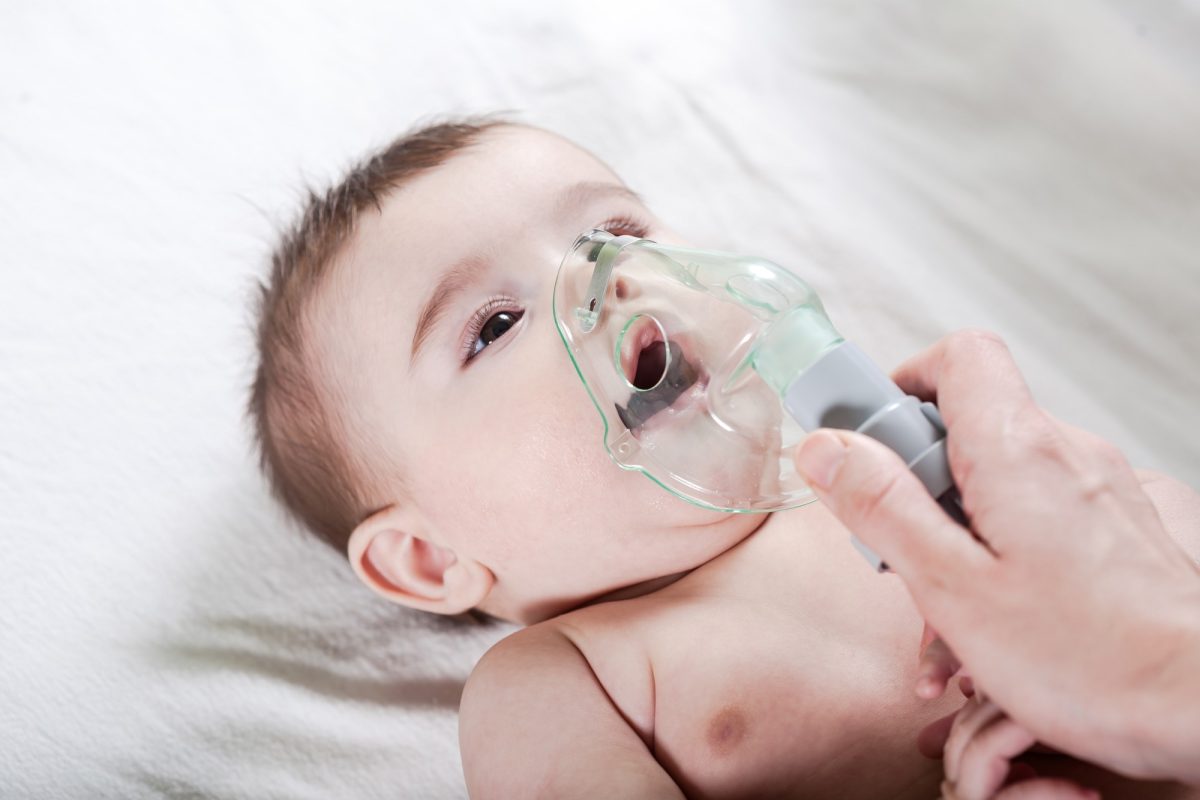
​In contemporary pediatric practice, Inhalers (Metered-Dose Inhalers or MDIs) used with a spacer are often considered the preferred method for treating wheezing and bronchitis in children.
​Efficiency: A spacer helps the medication reach the small airways in the lungs more effectively than a nebulizer, which often deposits a large portion of the medicine in the back of the throat or the nose.
​Speed: An inhaler dose can be administered in about a minute, whereas a nebulizer takes 10 to 15 minutes.
​Portability: Inhalers do not require a power source and are much easier to use while traveling or at school.
​Side Effects: Because inhalers deliver a more precise dose directly to the lungs, children often experience fewer systemic side effects, such as a racing heart or “jitters,” compared to nebulized medication.
Addressing the “Addiction” Myth
​One of the most persistent myths in pediatric care is that a child will become “addicted” or “used to” an inhaler.
​No Physical Dependency: The medications used in inhalers (such as bronchodilators or mild inhaled corticosteroids) are not habit-forming. They do not affect the brain’s reward system like addictive substances.
​Disease vs. Treatment: If a child needs an inhaler frequently, it is not because they are addicted to the medicine; it is because their airway inflammation is persistent. The inhaler is treating a recurring condition, much like glasses help a person see—you don’t become “addicted” to glasses, you simply need them to function correctly.
​Preventing Lung Damage: Using an inhaler as prescribed actually helps prevent long-term scarring or remodeling of the airways that can occur if wheezing is left untreated.

IMG_0118.jpeg
27/Mar/2026

Seborrheic (seborrhoeic) dermatitis in infants, commonly called “cradle cap,” is a very common, usually harmless scaly rash that starts in the first few weeks of life and typically clears up by 6–12 months without long‑term problems.

What it is and where it occurs

  • It usually appears as greasy, yellow or white scales on the scalp, brows, forehead, or behind the ears (cradle cap).

  • It can also involve the neck folds, armpits, groin, or diaper area, often as red, shiny patches that may look like napkin dermatitis.

What parents should know

  • It is not an infection or poor hygiene; it is linked to overactive oil glands and the yeast Malassezia on the skin.

  • The baby is usually not itchy or uncomfortable, though some parents are worried about the appearance.

  • It is not contagious and most cases clear up on their own within weeks to months.

Home care tips for parents

  • Gently massage the scalp with a soft brush or washcloth after applying a small amount of mineral oil or petroleum jelly to loosen scales, then wash with a mild baby shampoo once a day.

  • For folds and face, keep the area clean and dry; use a fragrance‑free emollient rather than cosmetic “sensitive‑skin” products that may irritate.

When to seek medical advice

  • If the rash becomes very red, hot, weepy, or smelly, especially in skin folds or the diaper area, as this may indicate yeast or bacterial infection needing specific creams.

  • If scaling is very thick, widespread, or persists beyond 12 months, a doctor may add a low‑strength topical antifungal or steroid preparation for a short time.


Dr. Vibin KV

Dr. Vibin KV is best pediatrician in south Delhi, near safdarjung enclave. He has over 14 years experience in managing sick children from newborn to 18 years of age.
Conditions treated and services provided at the clinic include:
1) Respiratory illnesses with cough or noisy breathing- bronchiolitis, bronchitis, pneumonia, wheezing, asthma, foreign body, Inhaler therapy etc.
2) Vaccinations in all age groups.
3) New Born baby care.
4) Diarrhea, dysentery, dehydration.
5) Liver and Kidney Failure.
6) Brain infection including meningitis, encephalitis etc.
7) Urinary problems like Urinary tract infection, poor urine stream, painful urine, tight skin of the penis (phimosis) or paraphimosis, redness or pus at penis area.
8) Nephrotic syndrome and other Kidney related problems.
9) Jaundice, Hepatitis.
10) Poor growth, short stature, overweight, obesity.
11) Childhood diabetes and other endocrine problems in children.
12) Colic in infants.
13) Constipation in infants and older children.
14) Skin conditions like allergies, eczema, dermatitis, herpes, Rashes, dry skin, Dandruff, white patch over face, hair fall, dry scalp, diaper rash, nail problems etc.
15) Hernia or hydrocele- swelling in umbilical, swelling in testis, swelling in inguinal region.
16) Fever and Infections (bacterial, viral, fungal etc)
17) Seizures - Epilepsy, Febrile seizures.
18) worm infestations
19) Fall from height, head injury, Trauma, fractures (bone injury) etc.
20) PICC line and central line insertions.
21) Day care and Inpatient care facilities.
22) Adolescent care - emotional, psychological health.
23) Autism, ADHD, hyperactivity, learning disabilities, Developmental delay.
24) Short surgical procedures needing IV sedation.

Copyright by Dr. VibinKV 2023. All rights reserved.