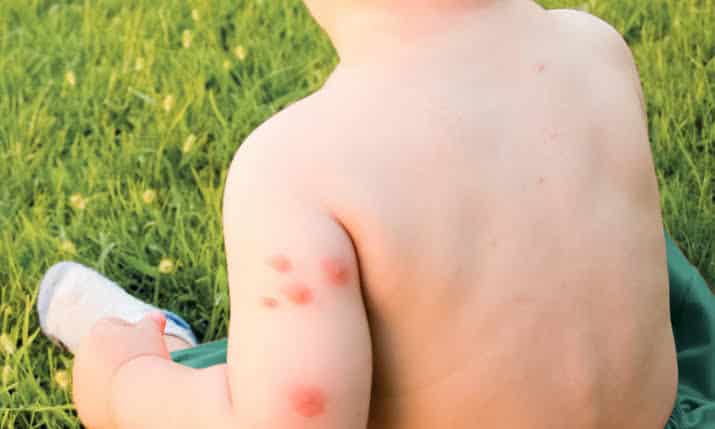

Mosquito bite allergy, also known as Skeeter syndrome, is an allergic reaction to proteins in a mosquito’s saliva. While most mosquito bites cause mild redness and itching, children with mosquito bite allergies may experience more severe symptoms. Here’s what parents should know:
Signs and Symptoms of Mosquito Bite Allergy
- Localized Reactions:
- Large, swollen, red welts around the bite.
- Pain, warmth, or itchiness at the site.
- Systemic Reactions (less common but more severe):
- Fever.
- Swollen lymph nodes.
- Fatigue or a general feeling of being unwell.
- Infection Risk:
- If a bite is scratched excessively, it can become infected, leading to redness, pus, or increased pain.
What Parents Should Do
- Immediate Care for a Mosquito Bite:
- Wash the bite area with soap and water.
- Apply a cold compress to reduce swelling.
- When to Seek Medical Attention:
- Severe swelling that spreads beyond the bite site.
- Signs of infection (e.g., pus, fever, increased redness).
- Systemic reactions like breathing difficulties, which may indicate anaphylaxis (a rare but serious condition).
- Prevention Tips:
- Use mosquito repellents: Look for products with DEET, picaridin, or lemon eucalyptus oil, approved for children.
- Dress appropriately: Long-sleeved shirts and pants can protect the skin.
- Install protective measures: Use mosquito nets and keep windows screened.
- Avoid peak mosquito times: Mosquitoes are most active at dawn and dusk.
- Long-term Management:
- If your child has frequent severe reactions, consult a pediatric allergist.
- Allergy testing can help confirm the diagnosis and guide treatment.
- Avoid Scratching:
- Encourage your child not to scratch bites to prevent secondary infections.
- Keep their nails trimmed to minimize damage.
With proper care and preventive measures, the discomfort and risks associated with mosquito bite allergies can be effectively managed.