Medical Info For Parents

IMG_0070.jpeg
22/Sep/2025

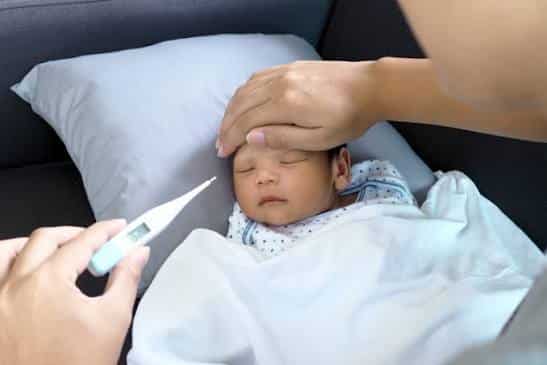
Influenza (flu) infection in infants can lead to serious illness, so it is essential for parents to understand the risks, recognize symptoms early, and know prevention and treatment measures.

Why Infants Are at Risk

  • Infants have a developing immune system, making them more vulnerable to severe illness from the flu compared to older children and adults.

  • Babies under 6 months cannot receive the flu vaccine themselves, but those 6 months and older should get vaccinated annually.

  • Adults and older children in close contact with infants should also be vaccinated to help protect the baby (cocooning).

How Influenza Spreads

  • The virus spreads through droplets in the air when an infected person coughs, sneezes, or talks.

  • Contact with contaminated surfaces, toys, or hands is another route; infants often touch their faces or put objects in their mouths.

Signs and Symptoms

  • Fever (may be high or unexplained in newborns)

  • Cough, runny nose, or sore throat

  • Unusual tiredness, irritability, or refusing to feed

  • Body aches, chills, or headache

  • Vomiting and diarrhea (more common in young children)

  • Severe signs: difficulty breathing, dehydration (few wet diapers), persistent high fever, or lethargy

When to Seek Medical Attention

  • Immediate medical attention is needed for breathing problems, bluish lips, poor feeding, dehydration, persistent vomiting, or seizures.

  • Consult a healthcare provider if symptoms worsen, don’t improve after a few days, or if the child appears very unwell.

Prevention Tips

  • Annual flu vaccination for children 6 months and older is crucial.

  • Vaccinate household members and caregivers if the infant is under 6 months.

  • Practice good hand hygiene, respiratory etiquette (cover coughs and sneezes), and disinfect surfaces regularly.

  • Avoid contact with people who are sick.

  • Keep infants away from crowded places during peak flu season.

Treatment and Home Care

  • Antiviral medications (e.g., oseltamivir) may be prescribed for infants at high risk or with confirmed influenza, especially if started within 48 hours of symptom onset.

  • Manage fever with doctor-approved medications. Do not give aspirin to infants due to the risk of Reye’s syndrome.

  • Keep the infant hydrated, allow rest, and monitor for worsening symptoms.

Other Key Points for Parents

  • Breastfeeding is encouraged; if the mother has flu symptoms, milk can be expressed and fed by a healthy caregiver.

  • The flu shot does not cause the flu. Some infants may have mild side effects like low-grade fever after vaccination.

  • Infants should stay home and away from daycare or gatherings until fever-free for at least 24 hours without fever-reducing medications.

Parents play a vital role in protecting infants from influenza by maintaining vaccination schedules, enforcing hygiene, and seeking prompt care when needed.


IMG_0069.jpeg
01/Sep/2025

Massage for newborns can offer significant benefits, but it must be done with care, following expert guidelines to ensure safety and maximize positive outcomes for both infant and parent.

Key Benefits of Newborn Massage

  • Promotes bonding: Physical touch during massage enhances emotional attachment, eye contact, and communication between parent and baby.

  • Aids sleep and relaxation: Regular massage can help a baby feel calmer, lower stress hormones, and support restful sleep.

  • Supports development: Massage may promote social, emotional, and cognitive growth, help with motor coordination, and strengthen physiological systems like digestion and immunity.

  • Reduces discomfort: Gentle abdominal massage can relieve colic, gas, or constipation, though tummy massage should only be done after the umbilical cord stump has healed.

Safety Tips and Guidelines

  • Timing and environment: Choose a quiet, warm space and massage the baby when they are calm and alert—typically about 30 minutes after feeding.

  • Use safe oils: Select gentle, baby-safe oils, avoiding anything with fragrance or harsh chemicals.

  • Technique:

    • Use gentle, firm (not rough) strokes, supporting joints like the wrist or ankle while massaging limbs.

    • Massage the tummy only in a clockwise motion (and only after the umbilical cord area is fully healed).

    • Avoid the spine directly—massage alongside it.

    • If the baby becomes upset, uncomfortable, or falls asleep, stop the massage.

  • Precautions:

    • Never apply strong pressure; always use the palm of the hand and soft finger pads.

    • Don’t massage if the baby is unwell, feverish, or immediately after feeding.

    • Never leave a baby unattended after applying oil—babies can slip and fall.

    • Watch for allergic reactions; stop if any redness or irritation appears.

    • After an oil massage, bathe the baby in lukewarm water and ensure the oil is washed off.

Simple Steps and Techniques

  1. Prepare a warm room with a soft towel.

  2. Use gentle strokes from the thigh to ankle and arm to wrist, always supporting the baby’s joints.

  3. Use gentle circles for the tummy (if appropriate), and a soft touch for the cheeks, forehead, and back of the baby’s neck and shoulders.

  4. Maintain eye contact and talk or sing to the baby throughout, to enhance bonding and relaxation.

  5. Be patient and keep sessions brief at first, increasing time as the baby gets used to massage.

When to Avoid Massage

  • If the baby is sick, has a fever, or is recovering from illness.

  • Immediately after or close to a feed (wait at least 30 minutes).

  • On or near wounds, rashes, or unhealed umbilical cord area.

Summary Table: Do’s and Don’ts

Do’s Don’ts
Use gentle, firm strokes Apply strong pressure
Massage when baby is calm Massage when baby is sick or post-feed
Use baby-safe oil Use harsh or scented oils
Support joints during massage Leave baby unattended or oily
Wash hands before start Massage unhealed umbilical area

Giving a newborn a gentle massage provides nurturing physical contact and developmental support, but always follow professional guidelines for safety and comfort.


IMG_0068.jpeg
25/Aug/2025

Refractive error in toddlers is a common, correctable condition that can impact visual development, learning, and quality of life if left untreated. Parents should be aware of typical symptoms and the importance of early diagnosis.

Key Points for Parents

  • Refractive error means the eye cannot focus light precisely on the retina, resulting in blurry vision at various distances.

  • The three main types in children are myopia (nearsightedness), hyperopia (farsightedness), and astigmatism.

  • Early detection is crucial; untreated refractive error can cause developmental delays, poor academic performance, and amblyopia (lazy eye).

Recognizing Symptoms

  • Toddlers may not articulate vision problems directly; watch for signs such as:

    • Squinting or frowning

    • Frequent eye rubbing or blinking

    • Lack of interest in school, books, or coloring

    • Moving closer to objects to see them clearly

    • Trouble reading or following visual tasks.

Causes and Risk Factors

  • Refractive error can result from abnormal eye shape, family history, or associated genetic syndromes.

  • Environmental factors like reduced outdoor activity and increased screen time may also contribute.

Diagnosis and Screening

  • Regular pediatric eye exams starting at age 3-4 are recommended, with vision testing for each eye.

  • School screenings help but only an eye doctor can diagnose accurately.

Management and Treatment

  • Eyeglasses are the most common and effective solution for children, providing clear vision and reducing symptoms like headaches and eye strain.

  • Severe or specific cases may be managed with contact lenses, vision therapy, or myopia control treatments (special lenses, atropine drops).

  • Early and correct intervention supports normal development, academic success, and social confidence.

Parental Guidance

  • Observe and report any vision-related behaviors to healthcare providers.

  • Ensure follow-up visits if eyeglasses are prescribed—children’s prescriptions can change with growth.

  • Encourage outdoor activities and limit excessive device use as part of preventive strategies.

Parents play a vital role in spotting visual problems early and supporting children with proper correction and follow-up care.


IMG_0067.jpeg
19/Aug/2025

Screen Time in Children – What Parents Need to

Know

Why Screen Time Matters

• Affects brain development, especially in under-5s

• May disturb sleep and daily routine

• Can cause eye strain and vision issues

• Reduces outdoor play → risk of obesity

• Can affect mood, focus, and social skills

Recommended Screen Time by Age

Age Recommendation

< 18 months Avoid screens (except video calls)

18–24 months If introduced, only high-quality content, with parent

2–5 years Up to 1 hour/day, supervised

6+ years No strict limit – focus on balance (sleep, play, school)

Healthy Screen Habits

• Watch together and discuss content

• Choose educational, age-appropriate programs

• Keep tech-free zones (meals, bedrooms, before bed)

• Encourage outdoor play, reading, and hobbies

• Use parental controls when needed

• Model healthy screen use yourself

Warning Signs of Too Much Screen Time

• Child gets angry when screen is removed

• Prefers screens over play and social interaction

• School performance declines

• Poor sleep or constant tiredness

• Frequent headaches, eye strain, or poor posture

■ Key Takeaway

Screens are not harmful if used wisely and in moderation. Balance is the key – quality content +

parental involvement + healthy routine make screen time safe and educational


IMG_0065.jpeg
29/Jul/2025

Exclusive Breastfeeding in Newborns – What Parents Should Know

Exclusive breastfeeding (EBF) means giving your baby only breast milk for the first six months — no water, other liquids, or food. This is the ideal way to nourish a newborn, and the World Health Organization (WHO) and UNICEF strongly recommend it.


Key Benefits of Exclusive Breastfeeding

1. Best Nutrition for Baby

  • Breast milk has the perfect balance of nutrients — proteins, fats, vitamins, and minerals.

  • It adapts to the baby’s growing needs.

2. Immunity Boost

  • Rich in antibodies, especially secretory IgA, that help fight infections.

  • Reduces risk of:

    • Respiratory infections

    • Diarrhea

    • Ear infections

    • Meningitis

    • Allergies and asthma

3. Supports Healthy Growth & Development

  • Promotes better brain development due to essential fatty acids (like DHA).

  • Supports healthy weight gain and gut development.

4. Emotional Bonding

  • Skin-to-skin contact during breastfeeding enhances bonding and emotional security.

  • Helps regulate baby’s heartbeat, breathing, and temperature.

5. Lower Risk of Chronic Diseases Later

  • Reduces risk of obesity, type 1 and type 2 diabetes, and certain cancers in later life.

6. Protects Mothers Too

  • Lowers mother’s risk of:

    • Breast and ovarian cancers

    • Postpartum depression

    • Type 2 diabetes

  • Helps uterus contract after delivery and reduces postpartum bleeding.

  • Acts as a natural contraceptive (lactational amenorrhea method) under specific conditions.


❗ What Parents Must Avoid

  • No water, juice, or formula unless medically indicated.

  • Avoid giving honey or gripe water — can be dangerous.

  • Do not delay feeding — respond to baby’s early hunger cues (rooting, sucking hands).


🍼 Common Myths Debunked

  • “I don’t have enough milk” – Colostrum (the first milk) is enough in the first few days; frequent feeding helps increase supply.

  • “Baby cries, so milk isn’t enough” – Crying is not always due to hunger.

  • “Formula is just as good” – Formula lacks live immune factors found in breast milk.


📌 Final Tips for Parents

  • Initiate breastfeeding within 1 hour of birth.

  • Feed on demand, not on a strict schedule.

  • Ensure proper latch and position to avoid pain and ensure effective feeding.

  • Seek help from a lactation consultant if you face challenges.


Breastfeeding is a gift only you can give your baby. It lays the foundation for a healthy start to life — physically, emotionally, and mentally.


IMG_0062.jpeg
05/Jul/2025

Umbilical Stump Care in Newborns: What Parents Need to Know

Caring for your baby’s umbilical stump is simple but important. Proper care prevents infection and promotes natural healing. Here’s what parents should know:


🍼 What Is the Umbilical Stump?

  • After birth, the umbilical cord is clamped and cut.

  • A small stump (about 1–2 inches) remains, which dries up and falls off usually within 1–3 weeks.


Do’s for Umbilical Stump Care

  1. Keep it clean and dry:

    • Clean with plain water if dirty.

    • Gently pat dry with a clean cloth or let it air-dry.

    • No alcohol swabs unless advised by your doctor.

  2. Fold diaper away from the stump:

    • This prevents moisture and rubbing.

    • Many newborn diapers have a special cut-out for the stump.

  3. Dress your baby in loose clothes:

    • Allows air circulation and prevents irritation.

  4. Give sponge baths only until the stump falls off:

    • Avoid submerging in water.

  5. Let it fall off naturally:

    • Do not pull or try to remove it even if it’s hanging.


Don’ts for Umbilical Stump Care

  • Don’t apply powders, ointments, or antiseptics unless prescribed.

  • Don’t tug at the stump.

  • Don’t cover it with tight clothes or bandages.


⚠️ When to Worry – Call a Doctor If You Notice:

  • Redness or swelling around the base

  • Foul-smelling discharge or pus

  • Fever in your baby

  • Bleeding that doesn’t stop after gentle pressure

  • Stump hasn’t fallen off after 3–4 weeks


IMG_0061.jpeg
25/Jun/2025

Vomiting in infants is quite common and often not serious. However, parents should worry and seek medical attentionif the vomiting shows certain warning signs or is accompanied by other symptoms.


🚼 When Vomiting is Usually Not Serious

  • Happens occasionally after feeding (likely spit-up or reflux)

  • Baby is otherwise active, feeding well, and gaining weight

  • Vomit is small in amount, milky, and not forceful


⚠️ When Parents Should Worry

Seek medical care immediately if any of the following are present:

1. Vomiting is Forceful (Projectile)

  • Especially in babies younger than 3 months

  • Could indicate pyloric stenosis, a condition requiring surgery

2. Green or Yellow (Bilious) Vomit

  • May indicate intestinal blockage or twisting (volvulus)

  • Needs urgent medical evaluation

3. Blood or Coffee Ground Appearance in Vomit

  • Suggests possible bleeding in the stomach or esophagus

4. Signs of Dehydration

  • Dry mouth or lips

  • No tears when crying

  • Sunken eyes or soft spot (fontanelle)

  • Fewer than 6 wet diapers/day

5. Vomiting with High Fever or Lethargy

  • Could signal infection like meningitis or a serious illness

6. Persistent Vomiting (>24 hours)

  • Especially if baby is unable to keep fluids or feeds down

7. Seizures, Bulging Fontanelle, or Abnormal Movements

  • Could indicate brain or neurological issues

8. Poor Feeding and Weight Loss

  • May be a sign of chronic underlying issues

9. Recent Head Injury

  • Vomiting could be a sign of concussion or brain injury


What Parents Can Do at Home (If Mild and Baby is Well)

  • Offer smaller, more frequent feeds

  • Burp the baby during and after feeding

  • Keep baby upright for 20–30 minutes after feeds

  • Avoid overfeeding


📞 Call a Pediatrician If You’re Unsure

Always better to get a professional opinion, especially in infants under 3 months.


IMG_0060.jpeg
20/Jun/2025

Diabetic Ketoacidosis (DKA) in Children – What Parents Need to Know

Diabetic Ketoacidosis (DKA) is a serious and potentially life-threatening complication of diabetes, especially Type 1 diabetes in children. It occurs when the body doesn’t have enough insulin and begins to break down fat for energy, producing ketones that make the blood acidic.


🔍 What Causes DKA?

  • Missed or insufficient insulin doses

  • New onset of undiagnosed diabetes

  • Infection or illness (fever, vomiting, etc.)

  • Stress or trauma

  • Malfunctioning insulin pump


⚠️ Warning Signs and Symptoms

Parents should watch out for the following symptoms:

  • Excessive thirst and urination

  • Weight loss

  • Fatigue or weakness

  • Nausea or vomiting

  • Abdominal pain

  • Rapid breathing (deep, heavy breathing called Kussmaul respiration)

  • Fruity-smelling breath

  • Confusion or drowsiness

  • Dry mouth and skin

  • Sunken eyes


🏥 When to Seek Emergency Help

Call your doctor or go to the emergency room immediately if your child:

  • Has vomiting or stomach pain

  • Shows drowsiness or confusion

  • Is breathing abnormally

  • Has very high blood sugar levels

  • Has moderate to high ketones in blood or urine


🧪 How DKA is Diagnosed

Doctors check:

  • Blood sugar levels (usually >250 mg/dL)

  • Ketones in urine or blood

  • Blood pH and bicarbonate levels (indicating acidosis)

  • Electrolytes (sodium, potassium)

  • Signs of dehydration


💉 Treatment of DKA

DKA is treated in a hospital, often in the pediatric ICU:

  1. IV fluids to treat dehydration

  2. Insulin to reduce blood glucose and ketones

  3. Electrolyte replacement

  4. Monitoring and treating underlying causes like infections


Prevention Tips for Parents

  • Ensure your child takes insulin on time, without missing doses

  • Monitor blood glucose and ketone levels regularly, especially during illness

  • Follow a sick-day plan provided by the doctor

  • Educate your child about signs of high blood sugar and ketones

  • Always have test strips for ketones and a glucose meter

  • Have a medical ID for your child indicating diabetes


📞 Important to Remember

  • DKA is preventable with proper diabetes management

  • Early recognition and prompt action can save your child’s life

  • Regular follow-ups with a pediatric endocrinologist are essential


IMG_0058.jpeg
13/Jun/2025

Ticks are small, spider-like parasites that attach to the skin and feed on blood. While most tick bites are harmless, some can transmit serious diseases. Here’s a guide to help parents understand what to do if their child gets a tick bite and how to prevent future bites.


1. Identifying a Tick Bite

  • Often painless at first.

  • May leave a small red bump, similar to a mosquito bite.

  • You may find the tick still attached to your child’s skin.


2. What to Do If You Find a Tick on Your Child

  1. Remove the tick promptly:

    • Use fine-tipped tweezers.

    • Grasp the tick as close to the skin as possible.

    • Pull upward with steady, even pressure—don’t twist or jerk.

    • Avoid squeezing or crushing the tick’s body.

  2. Clean the area:

    • Wash the bite site with soap and water.

    • Apply antiseptic.

  3. Save the tick (optional):

    • Place it in a sealed container or zip-lock bag.

    • This can help identify the type if symptoms develop.


3. Monitor for Symptoms

Watch for signs of tick-borne illnesses in the days to weeks following a bite:

  • Red rash or bull’s-eye rash (especially in Lyme disease)

  • Fever or chills

  • Fatigue

  • Headache

  • Muscle or joint aches

  • Swollen lymph nodes

Seek medical care if any of these symptoms appear, especially after a tick bite.


4. When to See a Doctor

  • You can’t remove the entire tick.

  • A rash or flu-like symptoms develop.

  • You live in or have visited an area with high rates of tick-borne illnesses.

  • Your child appears very unwell after a bite.


5. Prevention Tips

  • Use tick repellents (with DEET or picaridin) on skin and permethrin on clothing.

  • Dress children in long sleeves and pants, tucking pants into socks.

  • Avoid brushy or wooded areas, especially in spring and summer.

  • Check your child (and pets) for ticks after outdoor play—especially the scalp, ears, armpits, groin, and behind the knees.

  • Shower within 2 hours of coming indoors.


6. Tick Removal Myths to Avoid

  • Don’t use petroleum jelly, nail polish, or a hot match to remove a tick—these methods can irritate the tick and increase disease risk.


If you’re in a region known for Lyme disease or other tick-related illnesses, it’s worth discussing with your pediatrician about local risks and whether prophylactic antibiotics are needed after a bite.


IMG_0055.jpeg
27/May/2025

Cephalhematoma in a Newborn is a collection of blood between a newborn’s skull bone and the periosteum (the membrane covering the bone). It occurs due to rupture of blood vessels during delivery, often from pressure on the baby’s head during labor or use of delivery instruments like forceps or vacuum extractors.

Key Features:

  • Location: Always confined to one cranial bone, most commonly the parietal bone.

  • Does not cross suture lines (a distinguishing feature from caput succedaneum).

  • Appears several hours after birth, not immediately.

  • Firm, well-defined swelling on the head.

  • Skin over the swelling is not discolored, unlike in bruises.

Causes:

  • Birth trauma from:

    • Vaginal delivery

    • Prolonged labor

    • Instrumental delivery (forceps or vacuum)

    • Large baby (macrosomia)

Diagnosis:

  • Clinical examination is usually sufficient.

  • Imaging (ultrasound or CT) is rarely needed unless complications or other skull injuries are suspected.

Course and Management:

  • Benign and self-limiting — most resolve on their own over weeks to months.

  • No aspiration is recommended due to risk of infection.

  • Monitor for complications like:

    • Hyperbilirubinemia (due to breakdown of blood in the hematoma)

    • Anemia (rare)

    • Infection (very rare)


Dr. Vibin KV

Dr. Vibin KV is best pediatrician in south Delhi, near safdarjung enclave. He has over 14 years experience in managing sick children from newborn to 18 years of age.
Conditions treated and services provided at the clinic include:
1) Respiratory illnesses with cough or noisy breathing- bronchiolitis, bronchitis, pneumonia, wheezing, asthma, foreign body, Inhaler therapy etc.
2) Vaccinations in all age groups.
3) New Born baby care.
4) Diarrhea, dysentery, dehydration.
5) Liver and Kidney Failure.
6) Brain infection including meningitis, encephalitis etc.
7) Urinary problems like Urinary tract infection, poor urine stream, painful urine, tight skin of the penis (phimosis) or paraphimosis, redness or pus at penis area.
8) Nephrotic syndrome and other Kidney related problems.
9) Jaundice, Hepatitis.
10) Poor growth, short stature, overweight, obesity.
11) Childhood diabetes and other endocrine problems in children.
12) Colic in infants.
13) Constipation in infants and older children.
14) Skin conditions like allergies, eczema, dermatitis, herpes, Rashes, dry skin, Dandruff, white patch over face, hair fall, dry scalp, diaper rash, nail problems etc.
15) Hernia or hydrocele- swelling in umbilical, swelling in testis, swelling in inguinal region.
16) Fever and Infections (bacterial, viral, fungal etc)
17) Seizures - Epilepsy, Febrile seizures.
18) worm infestations
19) Fall from height, head injury, Trauma, fractures (bone injury) etc.
20) PICC line and central line insertions.
21) Day care and Inpatient care facilities.
22) Adolescent care - emotional, psychological health.
23) Autism, ADHD, hyperactivity, learning disabilities, Developmental delay.
24) Short surgical procedures needing IV sedation.

Copyright by Dr. VibinKV 2023. All rights reserved.