


Excess ORS (Oral Rehydration Solution) Intake in Children – What Parents Need to Be Cautious About
Oral Rehydration Solution (ORS) is lifesaving in cases of dehydration due to diarrhea or vomiting. However, excessive intake without proper need or guidance can lead to complications. Here’s what parents should know:
⚠️ Why Too Much ORS Can Be Harmful
-
Electrolyte Imbalance
-
ORS contains salts like sodium and potassium. Too much can cause hypernatremia (high sodium levels), especially in infants and small children.
-
-
Overhydration (Water Overload)
-
Giving large volumes of ORS unnecessarily may lead to fluid overload, which can burden the kidneys and, in rare cases, cause swelling (edema) or low sodium (hyponatremia) if diluted improperly.
-
-
Masking Ongoing Illness
-
Relying solely on ORS without addressing underlying causes (e.g., infections) can delay proper medical treatment.
-
✅ When and How to Use ORS Safely
-
Only Use When Needed:
Primarily during diarrhea, vomiting, or signs of dehydration (dry mouth, sunken eyes, decreased urine, lethargy). -
Follow Age-Appropriate Dosages:
-
Infants (<1 year): ~50–100 ml after each loose stool
-
Children (1–5 years): ~100–200 ml after each loose stool
-
Older children: As much as they want, but spaced out gradually.
-
-
Do Not Force ORS:
Let the child sip slowly. Forcing large amounts can cause vomiting. -
Do Not Use as a Routine Drink:
ORS is not a substitute for water, juice, or milk in a healthy child. -
Avoid Diluting Commercial ORS:
Mixing it incorrectly (too much water or too little) changes its effectiveness and safety.
🚨 When to Seek Medical Help
-
If your child refuses to drink
-
Vomits everything, including ORS
-
Shows worsening signs of dehydration
-
Has blood in stools, high fever, or drowsiness
-
If you’re unsure about how much ORS to give
💡 Summary for Parents:
-
Use ORS wisely—only when there’s fluid loss
-
Stick to the recommended amount based on age
-
Do not overuse or make it a routine drink
-
Monitor for signs of overhydration or worsening condition
If in doubt, always consult your pediatrician.

Infant reflux, also known as gastroesophageal reflux (GER), is common in babies and usually not a cause for concern. Here’s what parents should know:
1. What Is Infant Reflux?
Reflux occurs when stomach contents flow back into the esophagus, causing spitting up. This happens because the muscle that keeps food in the stomach (the lower esophageal sphincter) is still developing in infants.
2. Signs of Reflux in Babies
- Frequent spitting up or vomiting
- Coughing or hiccups after feeding
- Irritability or crying, especially after eating
- Arching the back or stiffening during feeding
- Difficulty sleeping or discomfort when lying down
- Poor weight gain (in more severe cases)
3. When Is Reflux a Problem?
Most babies outgrow reflux by 12 to 18 months. However, Gastroesophageal Reflux Disease (GERD) is a more serious condition that requires medical attention. Signs of GERD include:
- Poor weight gain or weight loss
- Frequent forceful vomiting
- Blood in vomit or stool
- Chronic cough, wheezing, or difficulty breathing
- Extreme fussiness or refusal to eat
4. Tips to Manage Mild Reflux
- Feed smaller amounts more frequently – Large feedings can overwhelm a baby’s stomach.
- Burp often – Burp your baby every few minutes during and after feeding.
- Keep baby upright – Hold your baby upright for 20–30 minutes after feeding.
- Use a proper feeding position – Ensure the baby is not lying flat while feeding.
- Try thickened feeds – If advised by a doctor, thickening formula or breast milk with a small amount of rice cereal may help.
- Check for formula or food allergies – Some babies react to cow’s milk protein or other allergens.
5. When to See a Doctor
Consult a pediatrician if your baby has:
- Frequent projectile vomiting
- Trouble gaining weight
- Signs of discomfort during feeding
- Breathing difficulties
- Persistent cough or wheezing
6. Treatment Options
For severe cases, doctors may recommend medication to reduce stomach acid or, in rare cases, further medical interventions.
7. The Good News
Most babies outgrow reflux as their digestive system matures, usually by their first birthday. Managing feedings and positioning can significantly help reduce symptoms.

Bottle feeding is not advised for any infant or a child as it can be a source of infection. However, it is a common practice as feeding is comfortable for the child and a parent. In such cases, it would be advisable to follow certain precautions and maintain an appropriate feeding practice. It can be used to give formula or expressed breast milk. Here’s what parents need to know:
1. Choosing the Right Bottle and Nipple
- Select a BPA-free bottle with a slow-flow nipple for newborns.
- Anti-colic bottles can help reduce gas and spit-up.
- Try different nipple shapes and flow rates if your baby struggles with feeding.
2. Preparing the Formula Safely
- Use only infant formula recommended by your pediatrician.
- Follow the instructions on the formula packaging for proper mixing.
- Use boiled, cooled water if needed, and ensure all equipment is sterilized.
- Never dilute formula beyond instructions, as it can be unsafe for the baby.
3. Safe Bottle-Feeding Practices
- Hold your baby in a semi-upright position to prevent choking.
- Always support the bottle and avoid propping it up.
- Let the baby control the pace of feeding—watch for signs of fullness.
- Burp your baby after every feeding to reduce gas.
4. How Often and How Much to Feed
- Newborns usually feed every 2–3 hours, with about 1.5–3 ounces per feeding.
- By 2–4 months, they may take 4–6 ounces per feeding, every 3–4 hours.
- Watch for hunger cues like sucking motions, hand-to-mouth movements, and fussiness.
5. Signs of Feeding Problems
- Persistent spit-up or vomiting may indicate reflux or intolerance.
- Gassiness, constipation, or diarrhea could mean formula sensitivity.
- Excessive fussiness during feeding might indicate nipple flow issues or digestive discomfort.
6. Cleaning and Storage
- Wash bottles and nipples with hot, soapy water after every use.
- Sterilize bottles before the first use and regularly if your baby is under 3 months.
- Prepared formula should be refrigerated and used within 24 hours.
- Discard any leftover milk or formula after feeding—never reheat or reuse.
7. Weaning from the Bottle
- Start introducing a sippy cup around 6 months.
- Begin weaning off the bottle between 12–18 months to prevent tooth decay.
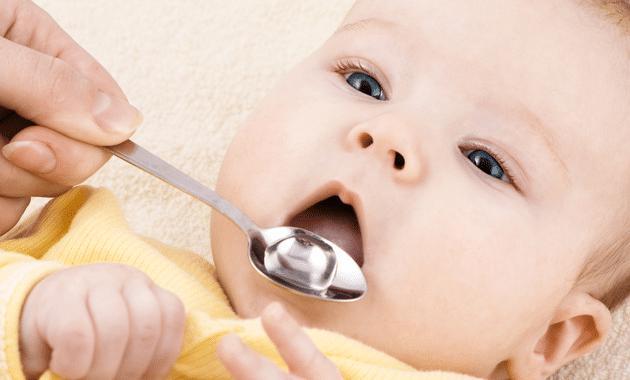

Parents can take several precautions to help prevent loose stools or manage them effectively:
- Good hygiene practices: Encourage frequent handwashing with soap and water, especially before meals and after using the bathroom, to prevent the spread of infections.
- Proper food handling: Ensure that food is prepared and stored safely to prevent contamination. Cook meats thoroughly, wash fruits and vegetables, and avoid giving children unpasteurized dairy products.
- Hydration: Make sure your child drinks plenty of fluids, such as water or ORS, to prevent dehydration, especially during episodes of loose stools.
- Healthy diet: Provide a balanced diet rich in fruits, vegetables, whole grains, and lean proteins to support overall gut health.
- Avoiding triggers: Identify and avoid foods or drinks that may trigger loose stools in your child, such as excessive sugary snacks or drinks, spicy foods, or certain allergens.
- Regular medical check-ups: Schedule regular visits with your child’s pediatrician for routine check-ups and vaccinations to prevent infections that can lead to loose stools.
- Prompt medical attention: Consult your pediatrician immediately, if your child experiences persistent or severe loose stools, signs of dehydration, or other concerning symptoms such as fever or abdominal pain.
By following these precautions, parents can help reduce the risk of loose stools in children and manage them effectively when they occur.

Loose stools in Children also termed as acute gastroenteritis is a very common problem that small children and toddlers face. It is characterised by loose watery stools, sometime leading to rash in the anal region. As parents managing child with loose stools at home can be very tiresome. However, properly managing and monitoring the child is most important in smooth recovery of the child. Following points to be kept in mind with respect to loose stools occurring in your loved ones :
1. Most loose stools in Children occurs due to viral infection and antibiotics have NO ROLE in its treatment.
2. Maintaining adequate hydration is the most important thing in such situation. Complications can only rise if hydration is not maintained properly.
3. Liquids in any form – water, ors, lime juice, tender coconut water, milk, soups etc should be offered at a regular basis especially if loose watery stools occurs excessively in order to prevent dehydration.
4. ORS when prepared, refer to the instructions given on the packet and mix accordingly. Improper mixing of ORS powder can lead to more problems. Excess and unwanted ORS usage can lead to more sodium in the body which might lead to further complications.
5. Keep a watch on child’s urine output and if any reduction in urine output is noticed, reach out to your pediatrician immediately.
6. If you notice any blood or black coloured stools, consult your pediatrician immediately.
7. Poor oral intake, lethargy, excess sleepiness, dry mouth, sunken eyes are few danger signs to be looked out for and consult your doctor immediately.
Recent Posts

September 25, 2026

August 24, 2026