Medical Info For Parents

IMG_0069.jpeg
01/Sep/2025

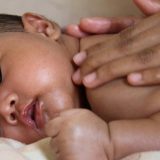
Massage for newborns can offer significant benefits, but it must be done with care, following expert guidelines to ensure safety and maximize positive outcomes for both infant and parent.

Key Benefits of Newborn Massage

  • Promotes bonding: Physical touch during massage enhances emotional attachment, eye contact, and communication between parent and baby.

  • Aids sleep and relaxation: Regular massage can help a baby feel calmer, lower stress hormones, and support restful sleep.

  • Supports development: Massage may promote social, emotional, and cognitive growth, help with motor coordination, and strengthen physiological systems like digestion and immunity.

  • Reduces discomfort: Gentle abdominal massage can relieve colic, gas, or constipation, though tummy massage should only be done after the umbilical cord stump has healed.

Safety Tips and Guidelines

  • Timing and environment: Choose a quiet, warm space and massage the baby when they are calm and alert—typically about 30 minutes after feeding.

  • Use safe oils: Select gentle, baby-safe oils, avoiding anything with fragrance or harsh chemicals.

  • Technique:

    • Use gentle, firm (not rough) strokes, supporting joints like the wrist or ankle while massaging limbs.

    • Massage the tummy only in a clockwise motion (and only after the umbilical cord area is fully healed).

    • Avoid the spine directly—massage alongside it.

    • If the baby becomes upset, uncomfortable, or falls asleep, stop the massage.

  • Precautions:

    • Never apply strong pressure; always use the palm of the hand and soft finger pads.

    • Don’t massage if the baby is unwell, feverish, or immediately after feeding.

    • Never leave a baby unattended after applying oil—babies can slip and fall.

    • Watch for allergic reactions; stop if any redness or irritation appears.

    • After an oil massage, bathe the baby in lukewarm water and ensure the oil is washed off.

Simple Steps and Techniques

  1. Prepare a warm room with a soft towel.

  2. Use gentle strokes from the thigh to ankle and arm to wrist, always supporting the baby’s joints.

  3. Use gentle circles for the tummy (if appropriate), and a soft touch for the cheeks, forehead, and back of the baby’s neck and shoulders.

  4. Maintain eye contact and talk or sing to the baby throughout, to enhance bonding and relaxation.

  5. Be patient and keep sessions brief at first, increasing time as the baby gets used to massage.

When to Avoid Massage

  • If the baby is sick, has a fever, or is recovering from illness.

  • Immediately after or close to a feed (wait at least 30 minutes).

  • On or near wounds, rashes, or unhealed umbilical cord area.

Summary Table: Do’s and Don’ts

Do’sDon’ts
Use gentle, firm strokesApply strong pressure
Massage when baby is calmMassage when baby is sick or post-feed
Use baby-safe oilUse harsh or scented oils
Support joints during massageLeave baby unattended or oily
Wash hands before startMassage unhealed umbilical area

Giving a newborn a gentle massage provides nurturing physical contact and developmental support, but always follow professional guidelines for safety and comfort.


02115759-d40c81bf-0991-45d5-8951-b5af7f8132d0-1200x800.jpg
04/Dec/2024

Migraines in children can be challenging to diagnose and manage. Here’s what parents should know:

Symptoms
1. *Headaches*: Often described as throbbing, pounding, or pulsating
2. *Location*: Usually on one side of the head, but can shift or be bilateral
3. *Duration*: Can last from 30 minutes to several hours
4. *Frequency*: Varies, but often occurs in clusters
5. *Associated symptoms*: Nausea, vomiting, sensitivity to light, sound, or smells

Triggers
1. *Stress*: Emotional or physical stress
2. *Sleep*: Irregular sleep patterns or lack of sleep
3. *Food*: Certain foods (e.g., chocolate, citrus, processed meats)
4. *Hormonal changes*: Menstruation (in girls)
5. *Environmental factors*: Bright lights, loud noises, changes in weather

Diagnosis
1. *Medical history*: Review of symptoms and family history
2. *Physical exam*: To rule out other conditions
3. *Headache diary*: Tracking symptoms and maintaining a diary

Managing Migraines at Home
1. *Create a headache-friendly environment*: Dim lighting, quiet space
2. *Encourage hydration*: Drinking plenty of water
3. *Offer comfort*: Cold or warm compresses, gentle massage
4. *Monitor symptoms*: Keeping a headache diary

When to Seek Medical Attention
1. *Sudden, severe headache*: Especially if accompanied by fever, confusion, or weakness
2. *Frequent or worsening headaches*: If symptoms change or increase in frequency
3. *Difficulty managing symptoms*: If treatment is ineffective or causing side effects

Consult a Healthcare Professional
For personalized guidance on managing migraines in children.


IMG_0369.jpeg
19/Jun/2023

Growing pains are a common phenomenon experienced by some children, typically between the ages of 3 and 12 years. These pains are characterized by recurrent, usually bilateral, leg pain that occurs predominantly in the evening or at night.

  1. Symptoms: Growing pains primarily affect the muscles rather than the joints. Children may complain of pain in the thighs, calves, or behind the knees. The pain is often described as an ache or a cramp and is typically not associated with swelling, redness, or warmth in the affected areas.
  2. Frequency and duration: Growing pains usually occur intermittently and may come and go over weeks or months. The episodes of pain tend to last for about 10 to 30 minutes but can sometimes persist for longer periods.
  3. Causes: The exact cause of growing pains is still uncertain. However, they are not associated with actual growth spurts, as the name might suggest. Several theories suggest that growing pains may be related to muscle fatigue, overuse, or stress on the muscles and bones during physical activities.
  4. Risk factors: Growing pains are more commonly seen in children who are very active or participate in sports or other physical activities. They are also more prevalent in children with a family history of growing pains.
  5. Diagnosis: Growing pains are typically diagnosed based on the child’s medical history and physical examination. Laboratory tests or imaging studies are usually not necessary unless there are atypical symptoms or signs that suggest an underlying condition.
  6. Treatment: Growing pains do not require specific medical treatment as they are considered a normal part of a child’s development. However, there are some measures that can help alleviate discomfort, such as:
    • Massaging the affected area.
    • Applying a warm compress to the painful area.
    • Encouraging gentle stretching exercises before bedtime.
    • Administering over-the-counter pain relievers like acetaminophen or ibuprofen, under the guidance of a healthcare professional.
  7. When to consult a doctor: While growing pains are generally harmless, it’s a good idea to consult your pediatrician if:
    • The pain is severe, persistent, or causing significant distress to the child.
    • There is redness, swelling, or other signs of inflammation.
    • The child develops a limp or has difficulty walking.
    • The child’s daily activities or sleep are consistently affected.

Remember, growing pains are a benign condition and tend to resolve as children grow older. However, if you have concerns about your child’s symptoms, it’s always best to consult your pediatrician for an accurate diagnosis and appropriate advice.


Dr. Vibin KV

Dr. Vibin KV is best pediatrician in south Delhi, near safdarjung enclave. He has over 14 years experience in managing sick children from newborn to 18 years of age.
Conditions treated and services provided at the clinic include:
1) Respiratory illnesses with cough or noisy breathing- bronchiolitis, bronchitis, pneumonia, wheezing, asthma, foreign body, Inhaler therapy etc.
2) Vaccinations in all age groups.
3) New Born baby care.
4) Diarrhea, dysentery, dehydration.
5) Liver and Kidney Failure.
6) Brain infection including meningitis, encephalitis etc.
7) Urinary problems like Urinary tract infection, poor urine stream, painful urine, tight skin of the penis (phimosis) or paraphimosis, redness or pus at penis area.
8) Nephrotic syndrome and other Kidney related problems.
9) Jaundice, Hepatitis.
10) Poor growth, short stature, overweight, obesity.
11) Childhood diabetes and other endocrine problems in children.
12) Colic in infants.
13) Constipation in infants and older children.
14) Skin conditions like allergies, eczema, dermatitis, herpes, Rashes, dry skin, Dandruff, white patch over face, hair fall, dry scalp, diaper rash, nail problems etc.
15) Hernia or hydrocele- swelling in umbilical, swelling in testis, swelling in inguinal region.
16) Fever and Infections (bacterial, viral, fungal etc)
17) Seizures - Epilepsy, Febrile seizures.
18) worm infestations
19) Fall from height, head injury, Trauma, fractures (bone injury) etc.
20) PICC line and central line insertions.
21) Day care and Inpatient care facilities.
22) Adolescent care - emotional, psychological health.
23) Autism, ADHD, hyperactivity, learning disabilities, Developmental delay.
24) Short surgical procedures needing IV sedation.

Copyright by Dr. VibinKV 2023. All rights reserved.