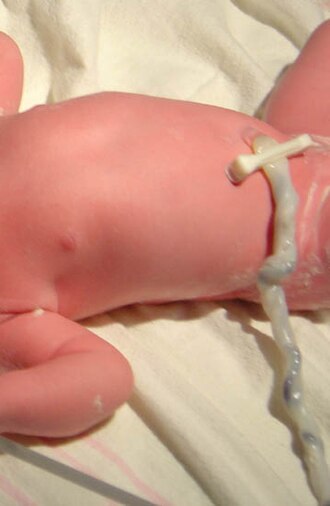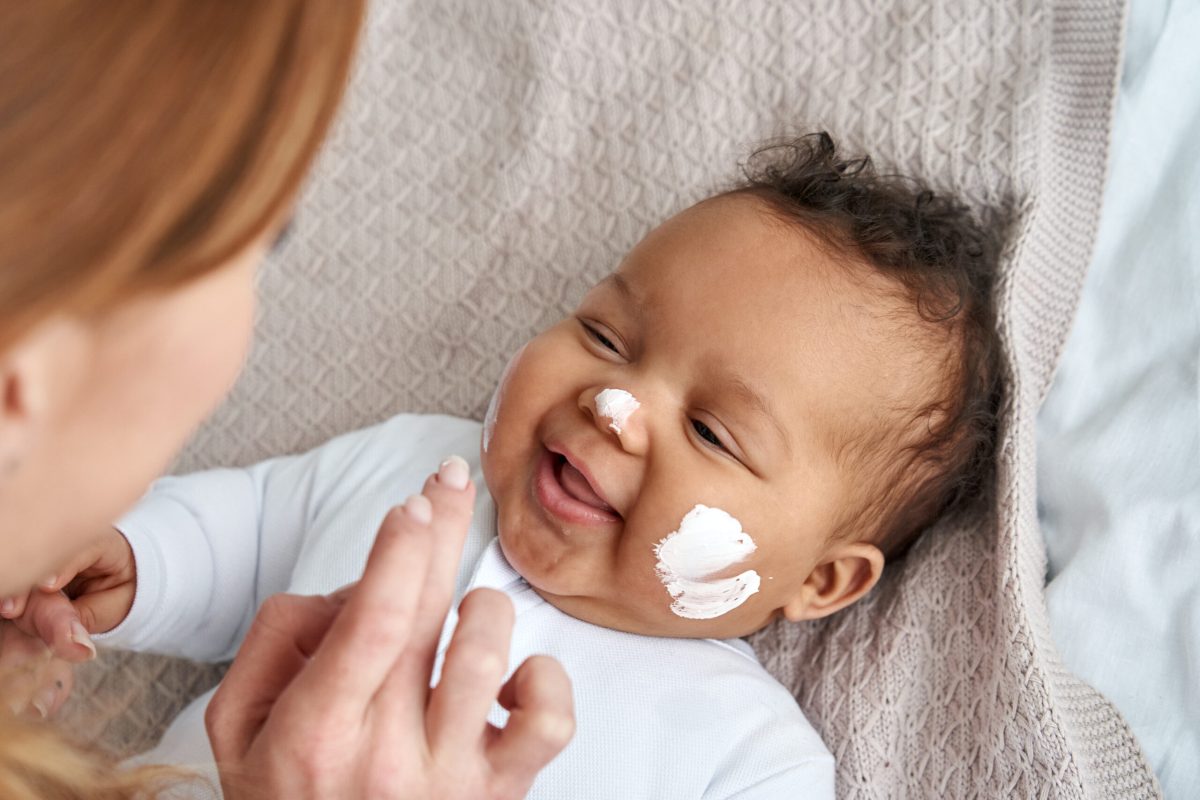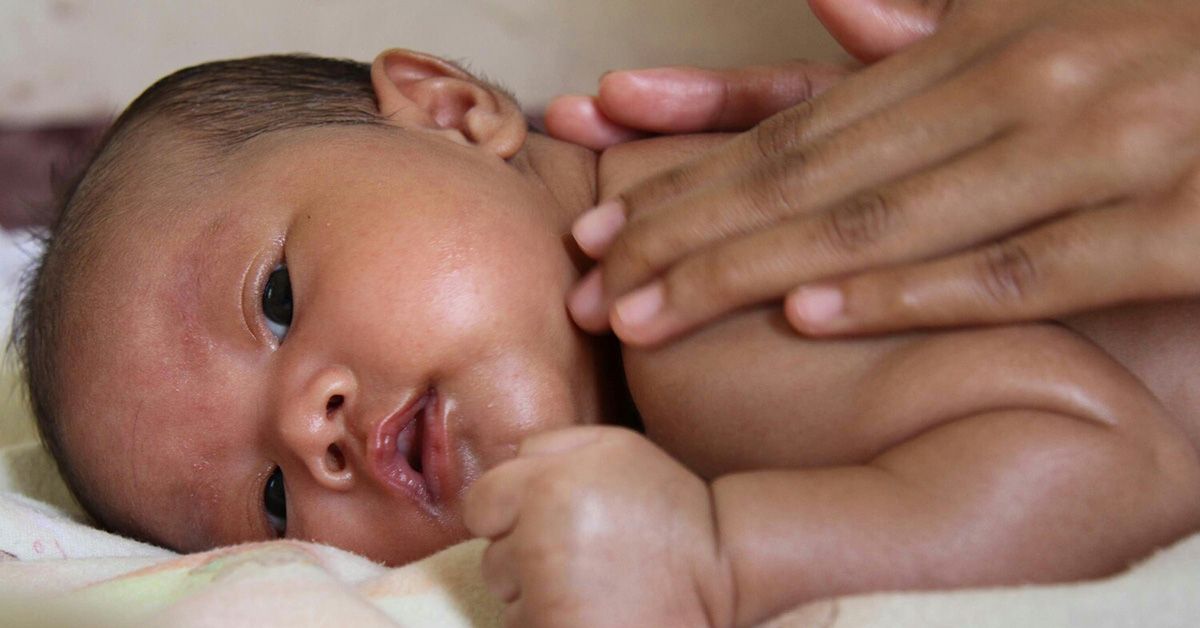
Seborrheic (seborrhoeic) dermatitis in infants, commonly called “cradle cap,” is a very common, usually harmless scaly rash that starts in the first few weeks of life and typically clears up by 6–12 months without long‑term problems.
It usually appears as greasy, yellow or white scales on the scalp, brows, forehead, or behind the ears (cradle cap).
It can also involve the neck folds, armpits, groin, or diaper area, often as red, shiny patches that may look like napkin dermatitis.
It is not an infection or poor hygiene; it is linked to overactive oil glands and the yeast Malassezia on the skin.
The baby is usually not itchy or uncomfortable, though some parents are worried about the appearance.
It is not contagious and most cases clear up on their own within weeks to months.
Gently massage the scalp with a soft brush or washcloth after applying a small amount of mineral oil or petroleum jelly to loosen scales, then wash with a mild baby shampoo once a day.
For folds and face, keep the area clean and dry; use a fragrance‑free emollient rather than cosmetic “sensitive‑skin” products that may irritate.
If the rash becomes very red, hot, weepy, or smelly, especially in skin folds or the diaper area, as this may indicate yeast or bacterial infection needing specific creams.
If scaling is very thick, widespread, or persists beyond 12 months, a doctor may add a low‑strength topical antifungal or steroid preparation for a short time.
Skin Protection
The BCG (Bacillus Calmette-Guérin) vaccine is given to protect against tuberculosis (TB) and is part of the routine immunization schedule in many countries. It is usually administered at birth or shortly after.
Here’s what parents should know about the BCG scar:
Local Reaction Timeline:
First few days: Small red bump may appear.
2–4 weeks later: Bump turns into a blister or ulcer.
6–12 weeks: It may ooze slightly and form a scab.
By 3–6 months: Heals to form a small, round scar.
Scar Size:
The final scar is usually 5–10 mm in diameter.
Not all babies develop a prominent scar — but the vaccine may still be effective.
Excessive swelling or pus: A little discharge is normal, but large amounts of pus or a persistent wound (>6 weeks) should be evaluated.
Enlarged lymph nodes (especially under the arm) that are tender or growing.
Fever or signs of infection unrelated to normal healing.
No reaction at all after 3 months: Not usually a concern, but mention it during follow-up visits.
Don’t apply creams or ointments on the BCG site.
Avoid bandaging unless instructed by a doctor.
Let the area stay dry and clean.
Do not try to pop or drain the blister.
A visible BCG scar often indicates the body has responded to the vaccine.
The presence or absence of a scar doesn’t guarantee immunity, but is usually a normal part of the process.
Ticks are small, spider-like parasites that attach to the skin and feed on blood. While most tick bites are harmless, some can transmit serious diseases. Here’s a guide to help parents understand what to do if their child gets a tick bite and how to prevent future bites.
Often painless at first.
May leave a small red bump, similar to a mosquito bite.
You may find the tick still attached to your child’s skin.
Remove the tick promptly:
Use fine-tipped tweezers.
Grasp the tick as close to the skin as possible.
Pull upward with steady, even pressure—don’t twist or jerk.
Avoid squeezing or crushing the tick’s body.
Clean the area:
Wash the bite site with soap and water.
Apply antiseptic.
Save the tick (optional):
Place it in a sealed container or zip-lock bag.
This can help identify the type if symptoms develop.
Watch for signs of tick-borne illnesses in the days to weeks following a bite:
Red rash or bull’s-eye rash (especially in Lyme disease)
Fever or chills
Fatigue
Headache
Muscle or joint aches
Swollen lymph nodes
Seek medical care if any of these symptoms appear, especially after a tick bite.
You can’t remove the entire tick.
A rash or flu-like symptoms develop.
You live in or have visited an area with high rates of tick-borne illnesses.
Your child appears very unwell after a bite.
Use tick repellents (with DEET or picaridin) on skin and permethrin on clothing.
Dress children in long sleeves and pants, tucking pants into socks.
Avoid brushy or wooded areas, especially in spring and summer.
Check your child (and pets) for ticks after outdoor play—especially the scalp, ears, armpits, groin, and behind the knees.
Shower within 2 hours of coming indoors.
Don’t use petroleum jelly, nail polish, or a hot match to remove a tick—these methods can irritate the tick and increase disease risk.
If you’re in a region known for Lyme disease or other tick-related illnesses, it’s worth discussing with your pediatrician about local risks and whether prophylactic antibiotics are needed after a bite.
Ear piercing in children is a personal decision for parents, but there are several important factors to consider before going ahead. Here’s what you need to know:
Ear piercing can be a safe and enjoyable experience for children with proper care. Parents should weigh the pros and cons, ensure a sterile procedure, and follow aftercare instructions carefully to prevent complications.
Mosquito bite allergy, also known as Skeeter syndrome, is an allergic reaction to proteins in a mosquito’s saliva. While most mosquito bites cause mild redness and itching, children with mosquito bite allergies may experience more severe symptoms. Here’s what parents should know:
With proper care and preventive measures, the discomfort and risks associated with mosquito bite allergies can be effectively managed.
*Benefits of Massage for Newborns:*
1. *Relaxation and stress relief*: Massage helps regulate the baby’s nervous system, reducing stress and promoting relaxation.
2. *Improved sleep*: Regular massage can help establish a healthy sleep routine and improve sleep quality.
3. *Bonding and attachment*: Massage enhances the emotional connection between parent and baby.
4. *Pain relief*: Massage can help alleviate discomfort from gas, colic, or teething.
5. *Increased circulation*: Massage stimulates blood flow, promoting healthy growth and development.
6. *Enhanced sensory awareness*: Massage helps babies develop awareness of their body and surroundings.
7. *Supports digestive health*: Massage can aid digestion and relieve constipation.
*Tips for Massaging Your Newborn:*
1. *Choose a quiet, warm space*: Ensure the room is free from distractions and comfortable for your baby.
2. *Use gentle, oil-based lubricants*: Opt for baby-friendly oils or lotions to reduce friction.
3. *Start with gentle strokes*: Begin with light, soft touches, gradually increasing pressure as needed.
4. *Watch for cues*: Pay attention to your baby’s body language; if they seem uncomfortable or fussy, stop.
5. *Massage in small sections*: Focus on one area at a time, such as the head, arms, or legs.
6. *Be mindful of sensitive areas*: Avoid massaging the spine, joints, or sensitive areas like the eyes or mouth.
7. *Keep sessions short*: Begin with 5-10 minute sessions, gradually increasing duration as your baby becomes accustomed.
*Best Massage Techniques for Newborns:*
1. *Head and Face Massage*:
– Gently stroke from forehead to chin.
– Massage temples and ears.
2. *Arm and Hand Massage*:
– Hold the arm and gently stroke from shoulder to wrist.
– Massage each finger individually.
3. *Leg and Foot Massage*:
– Hold the leg and stroke from thigh to ankle.
– Massage each toe individually.
4. *Back and Chest Massage*:
– Gently stroke from shoulders to lower back.
– Use gentle, circular motions on the chest.
*Precautions and Contraindications:*
1. *Premature or fragile babies*: Consult your pediatrician before starting massage.
2. *Infectious illnesses*: Avoid massage if your baby has a fever or contagious illness.
3. *Open wounds or injuries*: Avoid massaging areas with open wounds or injuries.
4. *Congenital conditions*: Consult your pediatrician if your baby has a congenital problems.
By incorporating massage into your newborn’s routine, you can foster a deeper connection, promote relaxation, and support overall well-being.