
Medical Info For Parents

IMG_0012.jpeg
09/Dec/2024

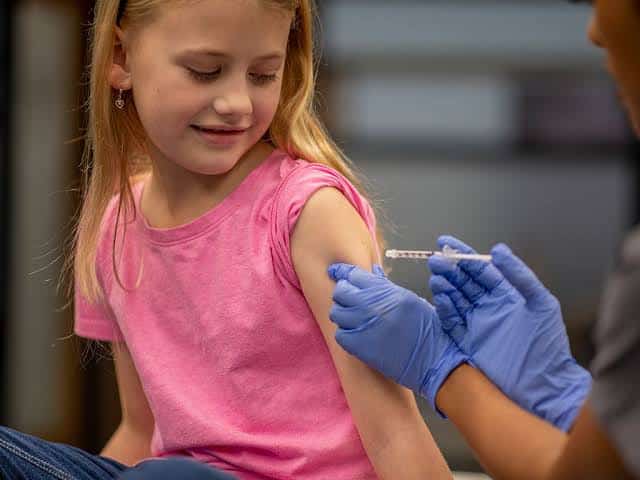
Flu vaccination is an important way to protect children from the seasonal flu, which can lead to serious illness, hospitalization, or even death. Here’s what parents should know about flu vaccines for children:

1. Age Recommendations:

  • The CDC recommends that all children 6 months and older get the flu vaccine every year.
  • Children under 6 months cannot receive the flu vaccine.

2. Types of Flu Vaccines:

  • Flu shot: This is the most common form, given as an injection in the arm. It is approved for children aged 6 months and older.
  • Nasal spray flu vaccine (FluMist): This is a nasal spray option, approved for children aged 2 years through 49 years who are healthy and do not have certain medical conditions (e.g., asthma).

3. Timing:

  • It’s best to get the flu vaccine before the flu season starts, ideally by October, but getting it later in the season still offers protection.
  • The flu season typically peaks between December and February.

4. Dosage for Children:

  • Children aged 6 months to 8 years who are getting the flu vaccine for the first time need two doses spaced at least 4 weeks apart.
  • After the initial year of vaccination, one dose per year is typically enough.

5. Safety and Side Effects:

  • The flu vaccine is generally safe and well-tolerated.
  • Common side effects include soreness at the injection site, mild fever, or fatigue. These are usually short-lived.
  • Serious side effects, such as allergic reactions, are rare.

6. Effectiveness:

  • While the flu vaccine is not 100% effective, it significantly reduces the risk of severe illness, hospitalization, and complications from the flu.
  • Effectiveness can vary from year to year, depending on the match between the circulating flu strains and the vaccine.

7. Why It’s Important:

  • Children, especially those under 5, are at higher risk for serious complications from the flu.
  • Vaccinating children helps protect vulnerable individuals, including infants, elderly family members, and those with weakened immune systems.

8. Exemptions:

  • Children with certain medical conditions (e.g., severe allergies to vaccine components) should consult their pediatrician before receiving the vaccine.
  • If your child has had a severe allergic reaction to a flu vaccine in the past, they should not get another dose.

9. Flu vs. Cold:

  • The flu is different from the common cold. It can cause more severe symptoms like high fever, body aches, and fatigue.
  • A flu vaccine does not protect against the common cold, which is caused by different viruses.

In conclusion, flu vaccination is an essential tool for keeping children healthy during the flu season and reducing the burden on healthcare systems. Parents should consult their child’s pediatrician for guidance specific to their child’s health needs.


IMG_0006.jpeg
05/Nov/2024

The HPV (human papillomavirus) vaccine is recommended for children, typically starting at ages 9 years , to protect against certain types of HPV that can cause cancers later in life, including cervical, throat, anal, and genital cancers. Here’s what parents should know:

1. What the Vaccine Protects Against

The HPV vaccine helps protect against infections from the most common cancer-causing types of HPV. It also protects against genital warts and some other health conditions linked to HPV.

2. Timing and Dosing

  • Ages 9-14:  The vaccine is ideally given during early adolescence, before any potential exposure to HPV through sexual contact. Two doses are given, spaced 6 months apart.
  • Ages 15 and older: If a child starts the series at age 15 or older, they will need three doses over six months for full protection.

3. Safety

The HPV vaccine has been rigorously tested and is considered safe for children. Most side effects are mild, such as pain at the injection site, fever, or headache. Serious side effects are very rare.

4. Effectiveness

The HPV vaccine is most effective when given before exposure to the virus, which is why early vaccination is crucial. It’s highly effective in preventing infections from the types of HPV that cause most HPV-related cancers.

5. Why It’s Important

HPV is common, and most sexually active people will get it at some point. While most infections don’t cause problems, some types of HPV can lead to cancer later in life. Vaccination provides a way to prevent these cancers.

6. Long-Term Protection

Research shows that the HPV vaccine offers long-lasting protection against the virus. There’s no need for booster shots once the initial series is completed.

7. Addressing Concerns

Some parents may have concerns about the HPV vaccine, particularly around the idea of encouraging sexual activity. The vaccine is not linked to early sexual behavior and does not encourage sexual activity; it is simply a preventive health measure for the future.

8. The Global Impact

Countries with high HPV vaccination rates have seen significant drops in HPV-related cancers. Vaccinating children now can help reduce the incidence of these cancers in the future.

In summary, the HPV vaccine is a safe and effective way to protect your child from HPV-related cancers. It is best given at a young age, ideally around 9 years, before potential exposure to the virus. If you have concerns, it’s always a good idea to talk to your child’s healthcare provider for personalized advice.


Dr. Vibin KV

Dr. Vibin KV is best pediatrician in south Delhi, near safdarjung enclave. He has over 14 years experience in managing sick children from newborn to 18 years of age.
Conditions treated and services provided at the clinic include:
1) Respiratory illnesses with cough or noisy breathing- bronchiolitis, bronchitis, pneumonia, wheezing, asthma, foreign body, Inhaler therapy etc.
2) Vaccinations in all age groups.
3) New Born baby care.
4) Diarrhea, dysentery, dehydration.
5) Liver and Kidney Failure.
6) Brain infection including meningitis, encephalitis etc.
7) Urinary problems like Urinary tract infection, poor urine stream, painful urine, tight skin of the penis (phimosis) or paraphimosis, redness or pus at penis area.
8) Nephrotic syndrome and other Kidney related problems.
9) Jaundice, Hepatitis.
10) Poor growth, short stature, overweight, obesity.
11) Childhood diabetes and other endocrine problems in children.
12) Colic in infants.
13) Constipation in infants and older children.
14) Skin conditions like allergies, eczema, dermatitis, herpes, Rashes, dry skin, Dandruff, white patch over face, hair fall, dry scalp, diaper rash, nail problems etc.
15) Hernia or hydrocele- swelling in umbilical, swelling in testis, swelling in inguinal region.
16) Fever and Infections (bacterial, viral, fungal etc)
17) Seizures - Epilepsy, Febrile seizures.
18) worm infestations
19) Fall from height, head injury, Trauma, fractures (bone injury) etc.
20) PICC line and central line insertions.
21) Day care and Inpatient care facilities.
22) Adolescent care - emotional, psychological health.
23) Autism, ADHD, hyperactivity, learning disabilities, Developmental delay.
24) Short surgical procedures needing IV sedation.

Copyright by Dr. VibinKV 2023. All rights reserved.