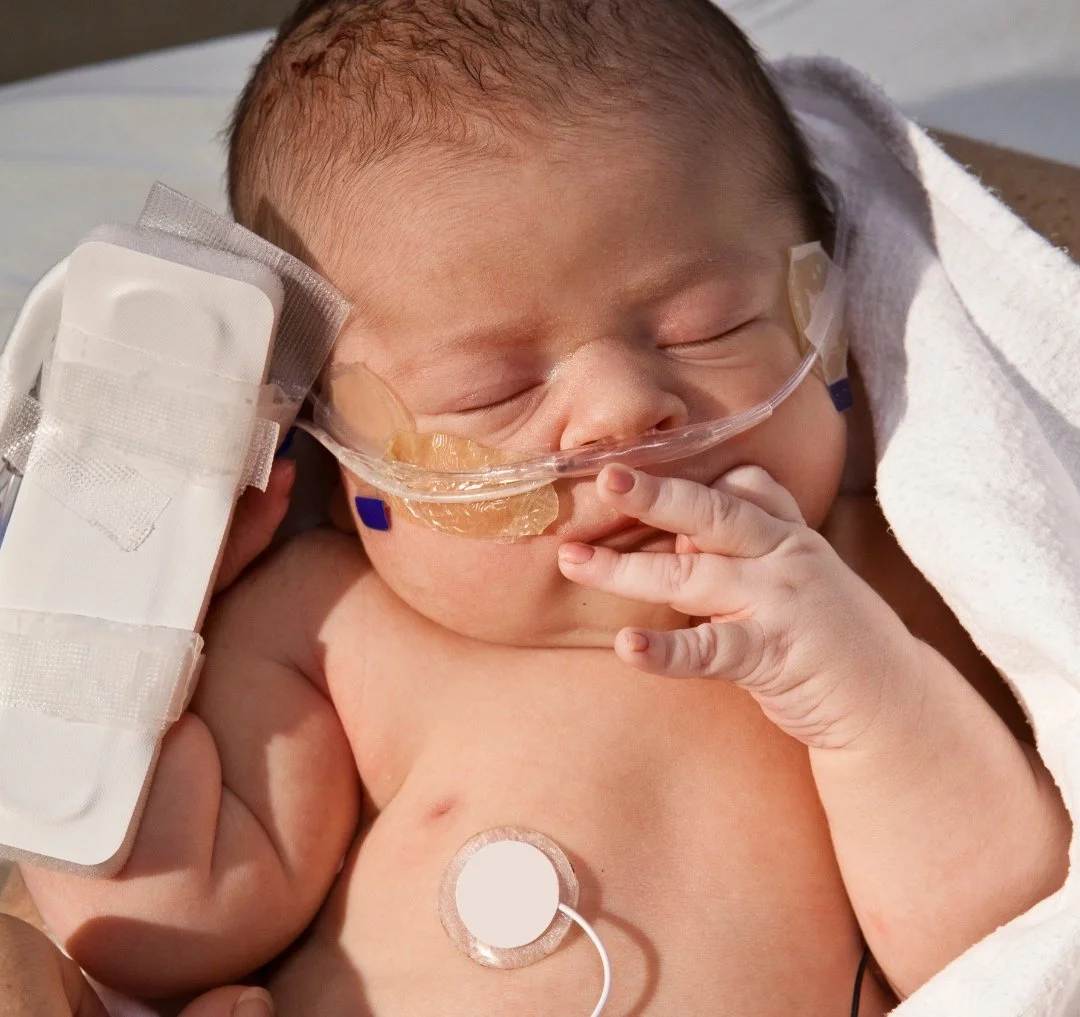

RSV bronchiolitis in children – what parents need to know.
Respiratory Syncytial Virus (RSV) is a common virus that causes bronchiolitis—an inflammation of the small airways in the lungs—most often affecting babies and children under age two.
What is RSV and Bronchiolitis?
- The Cause: RSV is a very contagious virus that nearly all children catch by their second birthday.
- The Infection: When the virus moves into the lower airways, it creates mucus and swelling, leading to bronchiolitis.
- Timeline: Illness often starts like a common cold (runny nose, cough, mild fever) on days 1 and 2, with breathing difficulties or wheezing peaking around days 3 to 5.
Common Symptoms
- Runny or blocked nose, sneezing, and coughing
- Mild fever
- Faster-than-normal breathing
- Wheezing or noisy breathing
- Trouble feeding or drinking less than normal
At-Home Care
- Clear the nose: Use saline nose drops followed by a bulb syringe to clear mucus, especially before feeding.
- Manage fever: Give age-appropriate doses of acetaminophen or ibuprofen as advised by your pediatrician (avoid aspirin).
- Offer fluids: Encourage small, frequent feedings or sips of water to prevent dehydration.
- Keep comfortable: Use a cool-mist humidifier in the room.
When to Seek Emergency Care
Go to the nearest emergency room or call for emergency help immediately if your child shows severe signs of respiratory distress:
- Breathing very fast, shallowly, or working hard to breathe (tummy or chest caving in between/under ribs, or nostrils flaring)
- Pauses in breathing (apnea)
- A blue, gray, or pale color around the lips, mouth, or fingernails
- Extreme lethargy, limpness, or trouble waking up
- Signs of severe dehydration (no wet diaper for 12 hours or crying without tears)