Medical Info For Parents

IMG_0035.jpeg
25/Feb/2025

Teeth grinding, or bruxism, is common in children, especially during sleep. Here’s what parents should know:

Causes of Teeth Grinding in Children

  1. Teething & Misaligned Teeth – Young children may grind due to discomfort from new or misaligned teeth.
  2. Stress & Anxiety – Emotional stress, changes in routine, or anxiety can trigger bruxism.
  3. Sleep Disorders – Conditions like sleep apnea may contribute to teeth grinding.
  4. Hyperactivity & Medical Conditions – ADHD and some neurological conditions may increase the risk.
  5. Response to Pain – Ear infections or other discomforts may lead to grinding as a coping mechanism.

Signs & Symptoms

  • Grinding noises during sleep
  • Worn-down or sensitive teeth
  • Jaw pain or headaches
  • Disrupted sleep patterns
  • Complaints of sore jaw upon waking

Possible Complications

  • Tooth damage or enamel erosion
  • Increased tooth sensitivity
  • Jaw disorders (e.g., TMJ issues)
  • Poor sleep quality

What Parents Can Do

  • Monitor Stress Levels – Help manage anxiety with relaxation techniques.
  • Maintain a Bedtime Routine – Establish a calm pre-sleep routine to improve sleep quality.
  • Ensure Proper Dental Care – Regular dental visits can help detect and manage bruxism early.
  • Check for Underlying Conditions – If sleep disorders or other health issues are suspected, consult a doctor.
  • Use Mouthguards (If Necessary) – For severe cases, dentists may recommend a nightguard to protect teeth.

Most children outgrow teeth grinding, but if it persists or causes problems, consult your paediatrician.


download-1.jpg
24/Aug/2024

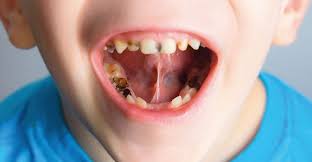
Dental caries, commonly known as tooth decay or cavities, is one of the most prevalent chronic diseases in children. It occurs when the hard surfaces of the teeth are damaged by acids produced by bacteria in the mouth. Here’s an overview of dental caries in children:

1. Causes of Dental Caries

  • Bacteria: The primary bacteria involved in tooth decay is Streptococcus mutans. These bacteria feed on sugars and starches left on the teeth, producing acids that erode tooth enamel.
  • Diet: Frequent consumption of sugary foods and drinks contributes significantly to the development of cavities. Sticky snacks like candy and dried fruit are particularly harmful.
  • Poor Oral Hygiene: Inadequate brushing and flossing allow plaque—a sticky film of bacteria—to build up on teeth, leading to decay.
  • Fluoride Deficiency: Fluoride strengthens tooth enamel, making it more resistant to acid attacks. Lack of fluoride, whether from water, toothpaste, or supplements, increases the risk of caries.

2. Signs and Symptoms

  • White Spots: Early caries may appear as white spots on the tooth surface, indicating demineralization.
  • Brown or Black Spots: As the decay progresses, the affected area may turn brown or black.
  • Sensitivity: Children may experience sensitivity to hot, cold, or sweet foods and drinks.
  • Toothache: As cavities deepen, they can cause pain, especially when chewing.
  • Visible Holes or Pits: Advanced decay can create holes or pits in the teeth.

3. Risk Factors

  • Age: Children are particularly susceptible to caries, especially those between ages 1 and 3.
  • Bottle-Feeding: Prolonged bottle-feeding, especially with sugary liquids like juice or milk at bedtime, can lead to “baby bottle tooth decay.”
  • Lack of Dental Care: Delayed or infrequent dental visits contribute to undetected and untreated cavities.
  • Family History: A history of dental caries in parents or siblings increases the risk in children.

4. Prevention Strategies

  • Good Oral Hygiene: Start brushing a child’s teeth as soon as they appear using a small amount of fluoride toothpaste. Floss once two teeth touch.
  • Regular Dental Check-Ups: Children should visit a dentist by their first birthday and continue with regular check-ups every six months.
  • Healthy Diet: Limit sugary snacks and drinks. Encourage water and a balanced diet rich in fruits, vegetables, and whole grains.
  • Fluoride Use: Ensure that children get adequate fluoride, either through water, toothpaste, or supplements as recommended by a dentist.
  • Dental Sealants: These protective coatings can be applied to the chewing surfaces of the back teeth to prevent decay.

5. Treatment Options

  • Fluoride Treatments: In the early stages of decay, fluoride treatments can help remineralize the teeth and reverse the decay process.
  • Fillings: Cavities that have progressed beyond the enamel will need to be filled with materials like composite resin, amalgam, or porcelain.
  • Crowns: In cases of extensive decay, a crown may be necessary to restore the tooth’s function and appearance.
  • Extractions: Severely decayed teeth that cannot be restored may need to be removed.

6. Long-Term Impact

  • Oral Health: Untreated dental caries can lead to pain, infection, and problems with eating, speaking, and learning.
  • General Health: Severe decay can spread infection to other parts of the body, leading to more serious health issues.
  • Dental Anxiety: Painful dental experiences in childhood can lead to dental anxiety or phobia later in life.

By maintaining good oral hygiene, promoting healthy dietary habits, and ensuring regular dental visits, parents can help prevent dental caries in their children and set the foundation for a lifetime of good oral health.


main-qimg-7a504355ec5b4da1ed0415696f4c5977.jpg
10/Jul/2024

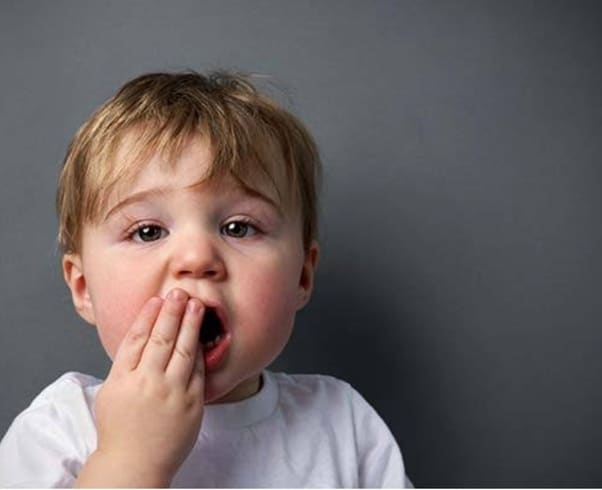
Dealing with dental pain in toddlers can be challenging. Here are some common causes and remedies:

Common Causes of Dental Pain in Toddlers

  1. Teething: This is the most common cause of dental pain in toddlers. The eruption of new teeth can be quite painful.
  2. Tooth Decay: Poor oral hygiene or a diet high in sugars can lead to cavities.
  3. Injury: Toddlers are prone to falls and bumps, which can cause dental trauma.
  4. Gum Infection: Gingivitis or other gum infections can cause pain and discomfort.
  5. New Molars: As toddlers grow, the eruption of larger molars can also be painful.

Remedies and Management

  1. Teething Toys: Provide teething rings or toys that are safe to chew on. Cooling these in the refrigerator (not freezer) can provide additional relief.
  2. Oral Pain Relief: Over-the-counter pain relievers like acetaminophen or ibuprofen can be used, but always follow the dosage instructions and consult with a pediatrician.
  3. Cold Compress: Apply a cold washcloth or ice pack (wrapped in a cloth) to the outside of your toddler’s cheek to numb the pain.
  4. Massage: Gently massage your toddler’s gums with a clean finger.
  5. Oral Hygiene: Ensure good oral hygiene to prevent tooth decay. Brush your toddler’s teeth twice a day with a small amount of fluoride toothpaste.
  6. Diet: Avoid giving sugary foods and drinks that can contribute to tooth decay.
  7. Dental Visit: If the pain persists, schedule a visit to a pediatric dentist to rule out cavities or infections.

Dr. Vibin KV

Dr. Vibin KV is best pediatrician in south Delhi, near safdarjung enclave. He has over 14 years experience in managing sick children from newborn to 18 years of age.
Conditions treated and services provided at the clinic include:
1) Respiratory illnesses with cough or noisy breathing- bronchiolitis, bronchitis, pneumonia, wheezing, asthma, foreign body, Inhaler therapy etc.
2) Vaccinations in all age groups.
3) New Born baby care.
4) Diarrhea, dysentery, dehydration.
5) Liver and Kidney Failure.
6) Brain infection including meningitis, encephalitis etc.
7) Urinary problems like Urinary tract infection, poor urine stream, painful urine, tight skin of the penis (phimosis) or paraphimosis, redness or pus at penis area.
8) Nephrotic syndrome and other Kidney related problems.
9) Jaundice, Hepatitis.
10) Poor growth, short stature, overweight, obesity.
11) Childhood diabetes and other endocrine problems in children.
12) Colic in infants.
13) Constipation in infants and older children.
14) Skin conditions like allergies, eczema, dermatitis, herpes, Rashes, dry skin, Dandruff, white patch over face, hair fall, dry scalp, diaper rash, nail problems etc.
15) Hernia or hydrocele- swelling in umbilical, swelling in testis, swelling in inguinal region.
16) Fever and Infections (bacterial, viral, fungal etc)
17) Seizures - Epilepsy, Febrile seizures.
18) worm infestations
19) Fall from height, head injury, Trauma, fractures (bone injury) etc.
20) PICC line and central line insertions.
21) Day care and Inpatient care facilities.
22) Adolescent care - emotional, psychological health.
23) Autism, ADHD, hyperactivity, learning disabilities, Developmental delay.
24) Short surgical procedures needing IV sedation.

Copyright by Dr. VibinKV 2023. All rights reserved.