Medical Info For Parents

IMG_0042.jpeg
22/Apr/2025

By Age Group

At 6 Months

  • Doesn’t respond to sounds or turns head to locate them

  • Doesn’t show affection or smile at people

  • Poor head control or stiff/floppy limbs

  • Doesn’t roll over or bring objects to mouth

At 9 Months

  • Doesn’t sit without support

  • Doesn’t babble (“mama,” “baba,” “dada”)

  • Doesn’t recognize familiar faces

  • Doesn’t look where you point

At 12 Months

  • Doesn’t crawl or stand with support

  • Doesn’t say single words like “mama” or “dada”

  • No gestures like waving or pointing

  • Doesn’t respond to name

At 18 Months

  • Can’t walk or walking is very unsteady

  • Doesn’t speak at least 6–10 words

  • Doesn’t know what common items are for (e.g., brush, spoon)

  • Shows little interest in others or playing

At 2 Years

  • Doesn’t use 2-word phrases (e.g., “more juice”)

  • Has trouble following simple instructions

  • Doesn’t imitate actions or words

  • Can’t push a wheeled toy

At 3 Years

  • Doesn’t speak in simple sentences

  • Can’t work simple toys (like shape sorters)

  • Avoids playing with other children

  • Falls frequently or has difficulty with stairs


Red Flags Across Ages

  • Loss of skills once learned (e.g., speech or motor skills)

  • Lack of eye contact or emotional connection

  • Very limited interest in surroundings or people

  • Unusual behavior (hand-flapping, rocking, or extreme reactions to lights/sounds)


What Should Parents Do?

  • Don’t wait and see. Early intervention is key.

  • Talk to your pediatrician if you notice any of these signs.

  • Ask about developmental screening or a referral to a specialist.

shutterstock_1187290291-a8dd877d6ac248f68b13c42758dd693a-1200x801.jpg
01/Jun/2024

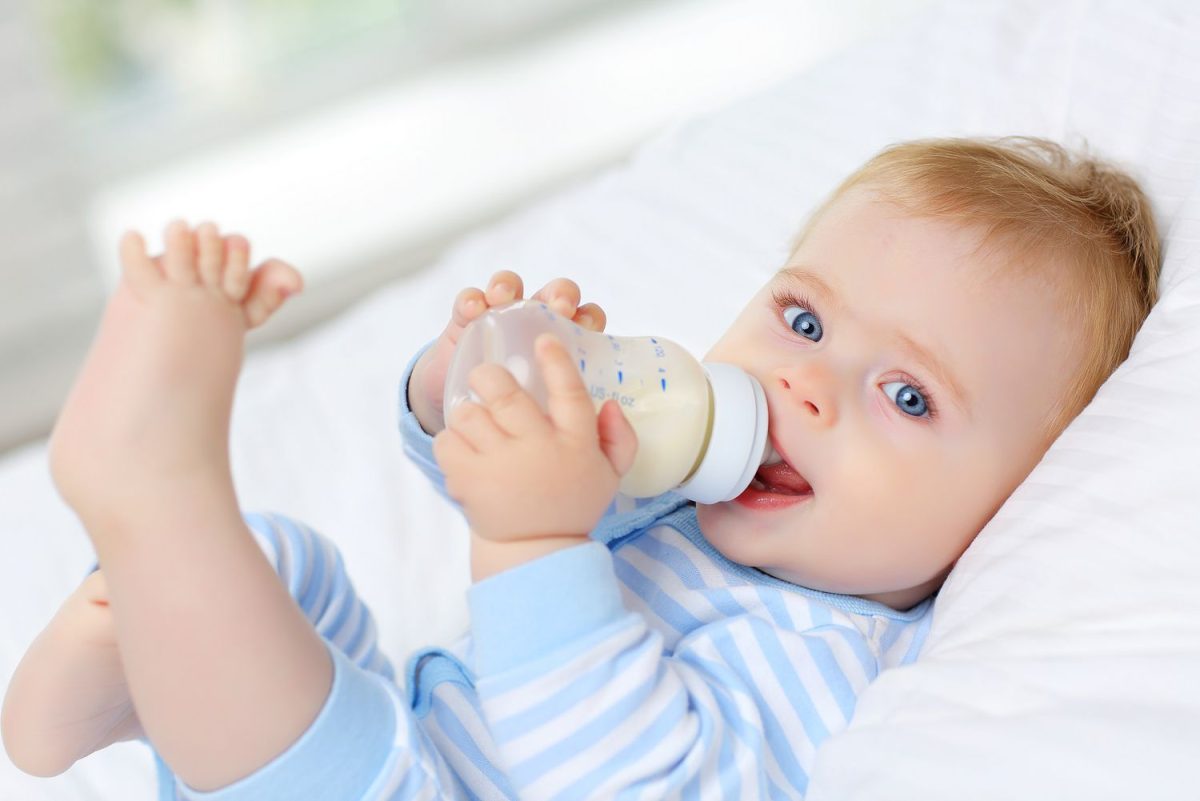
Giving too much milk to an infant can lead to several problems, impacting their health and development. Here are some key issues:

1. Nutritional Imbalance

  • Iron Deficiency Anemia: Excessive milk consumption, especially cow’s milk, can interfere with iron absorption and may lead to anemia.
  • Poor Appetite for Solids: If an infant drinks too much milk, they might feel full and show less interest in eating solid foods, leading to a lack of essential nutrients that are not present in milk alone.

2. Gastrointestinal Issues

  • Constipation: High milk intake can cause constipation in some infants.
  • Milk Allergy or Intolerance: Overconsumption of milk can exacerbate symptoms in infants who have a milk allergy or lactose intolerance, causing discomfort and digestive issues.

3. Growth and Development Concerns

  • Imbalanced Growth: Relying too much on milk for calories can result in poor weight gain or even obesity, as the child might not receive a balanced diet.
  • Delayed Development: Insufficient intake of solid foods can delay the development of chewing skills and oral motor function.

4. Dental Health

  • Tooth Decay: Prolonged exposure to milk sugars, especially if the infant drinks milk from a bottle while lying down or falls asleep with a bottle, can increase the risk of tooth decay.

IMG_0453.jpeg
07/Mar/2024

Constipation in children is common and usually not serious, but parents should be aware of some key points:

  1. Symptoms: Look out for infrequent bowel movements, hard stools, abdominal pain, and difficulty passing stool.
  2. Causes: It can be caused by diet low in fiber, dehydration, changes in routine, withholding stool due to fear or discomfort, or certain medical conditions.
  3. Treatment: Encourage a high-fiber diet, increased water intake, regular exercise, and establishing a regular toilet routine. Sometimes, laxatives or stool softeners may be needed, but consult your pediatrician first.
  4. Prevention: Ensure your child has a balanced diet with plenty of fiber-rich foods, adequate hydration, and regular physical activity.
  5. When to seek medical help: If constipation persists despite home remedies, if there’s blood in the stool, or if your child is experiencing severe abdominal pain or weight loss, consult your pediatrician immediately for further evaluation and management.

Dr. Vibin KV

Dr. Vibin KV is best pediatrician in south Delhi, near safdarjung enclave. He has over 14 years experience in managing sick children from newborn to 18 years of age.
Conditions treated and services provided at the clinic include:
1) Respiratory illnesses with cough or noisy breathing- bronchiolitis, bronchitis, pneumonia, wheezing, asthma, foreign body, Inhaler therapy etc.
2) Vaccinations in all age groups.
3) New Born baby care.
4) Diarrhea, dysentery, dehydration.
5) Liver and Kidney Failure.
6) Brain infection including meningitis, encephalitis etc.
7) Urinary problems like Urinary tract infection, poor urine stream, painful urine, tight skin of the penis (phimosis) or paraphimosis, redness or pus at penis area.
8) Nephrotic syndrome and other Kidney related problems.
9) Jaundice, Hepatitis.
10) Poor growth, short stature, overweight, obesity.
11) Childhood diabetes and other endocrine problems in children.
12) Colic in infants.
13) Constipation in infants and older children.
14) Skin conditions like allergies, eczema, dermatitis, herpes, Rashes, dry skin, Dandruff, white patch over face, hair fall, dry scalp, diaper rash, nail problems etc.
15) Hernia or hydrocele- swelling in umbilical, swelling in testis, swelling in inguinal region.
16) Fever and Infections (bacterial, viral, fungal etc)
17) Seizures - Epilepsy, Febrile seizures.
18) worm infestations
19) Fall from height, head injury, Trauma, fractures (bone injury) etc.
20) PICC line and central line insertions.
21) Day care and Inpatient care facilities.
22) Adolescent care - emotional, psychological health.
23) Autism, ADHD, hyperactivity, learning disabilities, Developmental delay.
24) Short surgical procedures needing IV sedation.

Copyright by Dr. VibinKV 2023. All rights reserved.