


Fast breathing in an infant can be a normal response or a sign of an underlying health problem. Here’s what parents should know to recognize when it’s a concern and when to seek help.
🚼 What Is Normal Breathing in Infants?
-
Newborns (0–2 months): 30–60 breaths per minute
-
Infants (2–12 months): 20–50 breaths per minute
-
Note: Infants often breathe irregularly, with occasional pauses or bursts of rapid breathing (especially during sleep). This is usually normal.
⚠️ When Fast Breathing Might Be a Concern
Fast breathing (tachypnea) can signal several conditions, especially if it comes with other symptoms:
✅ Common Causes (Non-emergency):
-
Crying or fussing
-
Fever: Increased body temperature can increase breathing rate.
-
Recent feeding: Some babies breathe faster briefly after eating.
🚨 Concerning Causes:
-
Respiratory infections (e.g., bronchiolitis, pneumonia)
-
Asthma (less common in very young infants)
-
Congenital heart disease
-
Sepsis or serious infections
-
Metabolic disorders
🚨 When to Seek Medical Help Immediately
Call your doctor or go to the ER if your baby has:
-
Breathing rate consistently over 60 breaths/min
-
Nostrils flaring while breathing
-
Grunting sounds during exhalation
-
Chest retractions (ribs or sternum pulling in with each breath)
-
Bluish lips, tongue, or skin
-
Poor feeding
-
Lethargy or difficulty waking
-
Persistent cough, wheezing, or high-pitched sounds when breathing
👩⚕️ What a Doctor Might Do
-
Check oxygen levels with a pulse oximeter
-
Listen to lungs and heart
-
Order a chest X-ray or lab tests
-
Monitor for dehydration or signs of infection
🏠 What You Can Do at Home
-
Keep baby calm: crying can increase breathing rate
-
Track symptoms: note when it started, how fast they’re breathing, and any other signs
-
Keep baby upright: this may ease breathing
-
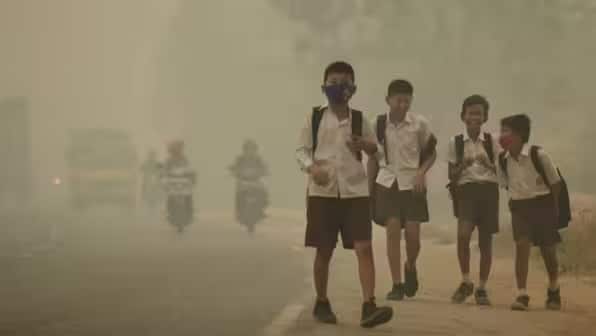
Avoid smoke exposure and sick contacts
Summary
Fast breathing in an infant isn’t always a medical emergency, but trust your instincts—if your baby seems unwell or you’re unsure, get checked promptly.

If a child inserts a **pearl or small object into their nose**, parents should **avoid certain actions** to prevent injury or making the situation worse. Here’s what **not to do**:
**What Parents Should NOT Do:**
1. **Do NOT use tweezers or cotton swabs:** Trying to remove the object with tools can push it further into the nose or cause damage.
2. **Do NOT ask the child to sniff or inhale deeply:** This can make the object move deeper into the nasal passage.
3. **Do NOT delay medical care if unsure:** If removal is difficult or unsuccessful quickly, seek medical help. Waiting too long can lead to infection or nasal damage.
4. **Do NOT panic or scold the child:** This can increase anxiety and make cooperation harder during removal.
5. **Do NOT pour liquids (like oil or water) into the nose:** These can cause choking or force the object further in.
What to Do Instead:
– Stay calm and reassure the child.
– If the object is visible and easy to grasp (with fingers), you can gently try.
– Try the **“mother’s kiss”** technique (if safe and age-appropriate): Have one nostril closed, and blow gently into the child’s mouth to create pressure that might push the object out.
– If unsuccessful, visit a pediatrician or emergency room promptly.

Human Metapneumovirus (hMPV) is a common respiratory virus that can cause infections in people of all ages, but it is particularly concerning for young children, older adults, and individuals with weakened immune systems. Here’s what parents should know about hMPV:
1. Symptoms
- Mild Cases: Symptoms often resemble those of a common cold, including runny nose, cough, fever, sore throat, and congestion.
- Severe Cases: In more severe infections, especially in young children or those with underlying health conditions, hMPV can cause bronchiolitis or pneumonia. Symptoms may include wheezing, difficulty breathing, and rapid breathing.
2. Transmission
- hMPV spreads through respiratory droplets when an infected person coughs or sneezes.
- It can also spread by touching contaminated surfaces and then touching the face, especially the nose, mouth, or eyes.
3. Who Is at Risk?
- Young children, particularly those under the age of 2.
- Older adults, especially those over 65.
- People with weakened immune systems or chronic medical conditions such as asthma or heart disease.
4. Prevention
- Good hygiene practices: Encourage children to wash their hands frequently with soap and water.
- Avoid close contact: Keep children away from people who are sick.
- Disinfect surfaces: Regularly clean and disinfect frequently touched surfaces.
- Teach proper cough etiquette: Teach children to cough or sneeze into their elbow or a tissue and dispose of tissues properly.
5. Treatment
- There is no specific antiviral treatment for hMPV.
- Treatment focuses on relieving symptoms, such as using fever reducers, staying hydrated, and ensuring the child gets plenty of rest.
- In severe cases, hospitalization may be required for oxygen therapy or more intensive care.
6. When to Seek Medical Attention
- If your child shows signs of severe respiratory distress, such as difficulty breathing, wheezing, or a bluish tint to the skin, seek medical care immediately.
- If symptoms worsen or do not improve after a few days, consult your pediatrician.
Summary
While hMPV is generally mild, it can cause serious illness in vulnerable populations. Parents should be vigilant about hygiene practices, monitor symptoms, and seek medical advice if their child shows signs of a more severe infection.

Ingesting any pesticide, including Laxman Rekha (which contains the active ingredient cypermethrin), is a serious health hazard and requires immediate medical attention. Here’s what you should do if a child ingests this substance:
Immediate Steps:
Do Not Induce Vomiting: Inducing vomiting can cause further harm.
Check for Symptoms: Symptoms of cypermethrin poisoning can include nausea, vomiting, abdominal pain, dizziness, headaches, and in severe cases, seizures and respiratory distress.
Rinse the Mouth: If the child is conscious, rinse their mouth with water to remove any remaining substance.
Call Emergency Services: Contact emergency medical services or take the child to the nearest emergency room immediately.
Contact Poison Control: Call your local poison control center for specific advice on what to do next.
Medical Treatment:
Activated Charcoal: In some cases, medical professionals may administer activated charcoal to help absorb the toxin.
Supportive Care: Treatment may include intravenous fluids, medications to control symptoms, and monitoring of vital signs.
Hospitalization: In severe cases, hospitalization may be necessary for ongoing care and monitoring.
Prevention:
Always store pesticides and other hazardous substances out of reach of children.
Use child-resistant packaging when available.
Educate children about the dangers of ingesting unknown substances.
Ingesting Laxman Rekha or any other pesticide is a medical emergency. Prompt action can save lives and prevent serious health complications.

Nebulization is one of a very good modality that is used in children for management of cough or breathing issues.
There is a reservation that most parents have to use nebulizer for their children. However, for younger children especially less than 4 year olds, it is proven as a better modality than using cough syrups.
Medications get administered in a better way.
The dose of medicine delivered is very low when compared to any oral medicine, which helps is lesser toxicity.
There are lesser chances of any unwanted side effects of medications.
The best way to give nebulization in your child is while he or she is calm and playful or sleeping. Forcefully giving nebulization especially while child is crying leads to an ineffective delivery of medicine and ends up being a useless administration.
Please consult your pediatrician for any further query.

Antihistamines, especially sedating ones, have the ability to cross the blood-brain barrier and tend to cause more adverse reactions than ‘second generation’ or ‘non-sedating’ antihistamines.
The most common adverse effects with sedating antihistamines are sedation, dizziness and incoordination. However, paradoxical stimulation ranging from excitation through to tremors, hallucinations and convulsions may occur. Excessive doses in children have led to respiratory depression and very critical condition.
With winter approaching, it is important to note that coughs and colds are often self-limiting conditions and may not require pharmacological intervention. Antihistamines (especially in less than 2 year olds) may lead to dryness of secretions which can lead to extreme discomfort and respiratory difficulty. It can lead to worsening of symptoms.
Symptomatic measures, such as increasing fluids, making sure children get enough rest and reducing the spread of the virus (including regular hand washing) should be practiced.

During a viral cough, there are several precautions children should take:
- Hygiene: Teach them proper handwashing techniques to prevent the spread of germs.
- Cover Coughs and Sneezes: Encourage them to cough or sneeze into their elbow or a tissue to prevent the spread of respiratory droplets.
- Avoid Close Contact: Advise them to avoid close contact with sick individuals to minimize the risk of infection.
- Stay Home: If they’re sick, it’s important for them to stay home from school or other activities to prevent spreading the virus to others.
- Hydration and Rest: Make sure they drink plenty of fluids and get enough rest to aid in their recovery.
- Proper Disposal of Tissues: Teach them to dispose of used tissues properly and wash their hands afterward.
- Avoid Touching Face: Remind them not to touch their eyes, nose, or mouth with unwashed hands.
- Regular Cleaning: Keep their living space clean and well-ventilated, and regularly clean frequently-touched surfaces.
- Healthy Diet: Encourage them to eat a balanced diet to support their immune system.
- Consult your pediatrician: If the cough persists, worsens, or is accompanied by other concerning symptoms including fast breathing or noisy breathing
Remember, these are general precautions. It’s important to follow guidance from your pediatrician for specific situations.
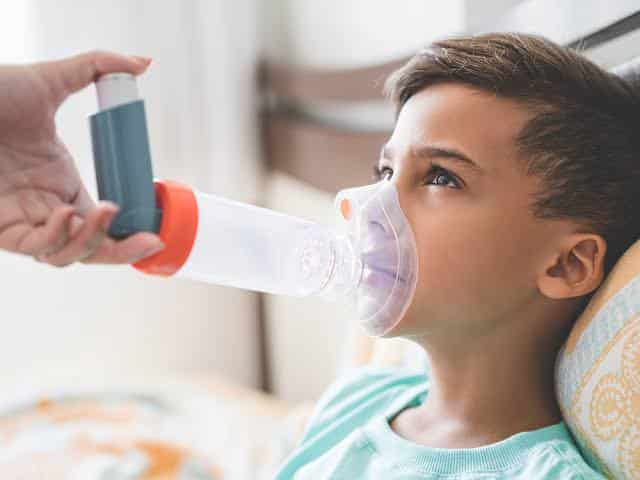
Inhaler therapy can be an effective treatment option for children with allergic cough. Allergic cough, also known as cough-variant asthma, is a condition where coughing is the primary symptom triggered by an allergic reaction. Inhalers deliver medication directly to the airways, providing quick relief and long-term control of respiratory symptoms.
There are two main types of inhalers commonly used in the treatment of allergic cough in children:
- Short-acting bronchodilators (rescue inhalers): These inhalers contain medications such as salbutamol (asthalin) which work by relaxing the muscles in the airways, opening them up and providing immediate relief during an asthma attack or episode of coughing. They are used on an as-needed basis when symptoms occur. Usually used for 5 to 7 days ( as per advice of your pediatrician) and stopped with cough subsides or reduces.
- Long-acting controllers (maintenance inhalers): These inhalers contain medications like inhaled corticosteroids (ICS) or combination inhalers (ICS plus long-acting bronchodilators). They are used regularly to reduce airway inflammation and prevent future episodes of coughing or asthma attacks. They help manage symptoms over the long term and are not used for immediate relief.
It is important to note that the use of inhaler therapy in children should be done under the guidance and supervision of a healthcare professional, such as a pediatrician or an allergist. They can assess the child’s condition, prescribe the appropriate inhaler, determine the correct dosage, and provide instructions on how to use the inhaler correctly.
Proper inhaler technique is crucial to ensure the medication reaches the lungs effectively. Parents or caregivers should be trained on how to use the inhaler correctly and teach their child to use it properly. It may involve coordinating the inhaler with a spacer device, especially for younger children, to ensure optimal drug delivery.
Your pediatrician might advice you to use a mask or without mask, which ever is best possible method for your child.
Regular follow-up visits with the pediatrician are important to assess the child’s response to inhaler therapy, adjust medication dosages if necessary, and monitor overall respiratory health.
In addition to inhaler therapy, it is also essential to identify and avoid triggers that can worsen allergic cough in children. Common triggers include environmental allergens such as pollen, dust mites, pet dander, and certain irritants like smoke or strong odors. Taking steps to reduce exposure to these triggers can help minimize coughing episodes and improve overall respiratory health.
Overall, inhaler therapy can be an effective treatment option for children with allergic cough when used correctly and under medical supervision. It helps provide immediate relief during coughing episodes and long-term control to prevent future symptoms.
Recent Posts
September 25, 2026
August 24, 2026