Medical Info For Parents

IMG_0427.jpeg
23/Nov/2023

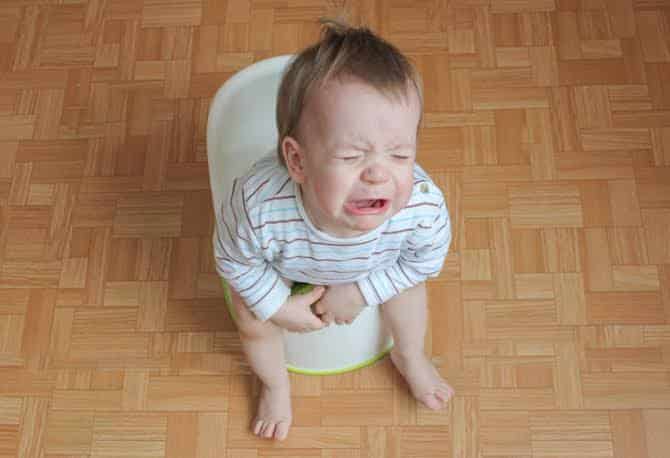
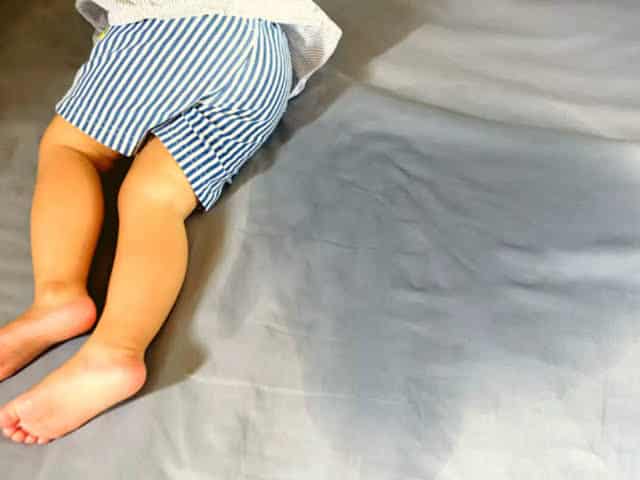
Preventive measures for nocturnal enuresis (bedwetting) in children may include:

  1. Fluid management: Encourage adequate fluid intake during the day but limit it closer to bedtime. No water after 7pm or 8 pm.
  2. Toilet routine: Establish a consistent bedtime toilet routine to empty the bladder before sleep.
  3. Bedtime routine: Ensure a calm and comfortable bedtime environment to reduce anxiety.
  4. Avoiding irritants: Limit caffeinated and sugary drinks, which can irritate the bladder.
  5. Scheduled voiding: Encourage regular bathroom breaks during the day to prevent a full bladder at night.
  6. Night lights: Install a night light to help the child navigate to the bathroom if needed.
  7. Positive reinforcement: Use positive reinforcement and rewards for dry nights.
  8. Bedwetting alarms: Consider using a bedwetting alarm to help the child wake up when they start to wet the bed. This is not available easily. However, parents can put an alarm and wake up during the usual time of bed wetting and encourage child to empty bladder. This process can be done for atleast 2 to 3 weeks to ensure child’s routine is maintained and bet wetting episodes subside.

It’s essential to consult your pediatrician for personalized advice based on the child’s specific situation.


IMG_0426.jpeg
11/Nov/2023

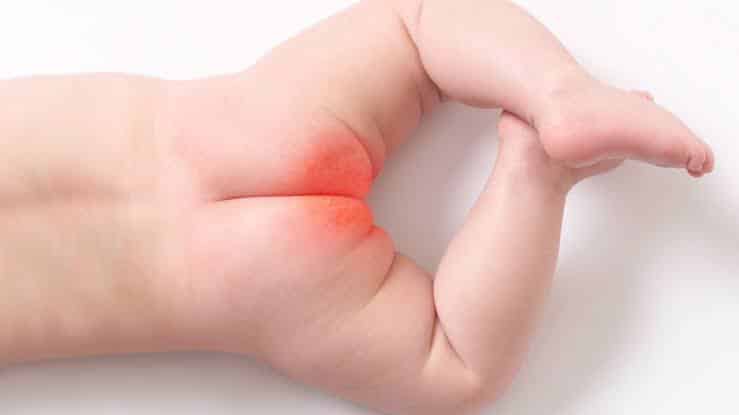
Loose stools in Children also termed as acute gastroenteritis is a very common problem that small children and toddlers face. It is characterised by loose watery stools, sometime leading to rash in the anal region. As parents managing child with loose stools at home can be very tiresome. However, properly managing and monitoring the child is most important in smooth recovery of the child. Following points to be kept in mind with respect to loose stools occurring in your loved ones :

1. Most loose stools in Children occurs due to viral infection and antibiotics have NO ROLE in its treatment.

2. Maintaining adequate hydration is the most important thing in such situation. Complications can only rise if hydration is not maintained properly.

3. Liquids in any form – water, ors, lime juice, tender coconut water, milk, soups etc should be offered at a regular basis especially if loose watery stools occurs excessively in order to prevent dehydration.

4. ORS when prepared, refer to the instructions given on the packet and mix accordingly. Improper mixing of ORS powder can lead to more problems. Excess and unwanted ORS usage can lead to more sodium in the body which might lead to further complications.

5. Keep a watch on child’s urine output and if any reduction in urine output is noticed, reach out to your pediatrician immediately.

6. If you notice any blood or black coloured stools, consult your pediatrician immediately.

7. Poor oral intake, lethargy, excess sleepiness, dry mouth, sunken eyes are few danger signs to be looked out for and consult your doctor immediately.


IMG_0413.jpeg
30/Oct/2023

A barking cough in children could be a symptom of croup, which is often caused by a viral infection affecting the upper airways.
It can be very disturbing for the child and care takers.
If your child has a barking cough, especially if it’s accompanied by difficulty breathing or a high-pitched sound when inhaling, it’s important to consult your pediatrician immediately.

They can assess the severity and recommend appropriate treatment, which may include humidified air, fluids, or medications.
Avoid to self medicate as this can sometimes lead to complicated situations. In few occasions, children might have to get admitted in the hospital for more frequent medications and monitoring.

Kindly contact your child’s pediatrician for any queries if such scenario arises.


IMG_0412.jpeg
18/Oct/2023

Antihistamines, especially sedating ones, have the ability to cross the blood-brain barrier and tend to cause more adverse reactions than ‘second generation’ or ‘non-sedating’ antihistamines.

The most common adverse effects with sedating antihistamines are sedation, dizziness and incoordination. However, paradoxical stimulation ranging from excitation through to tremors, hallucinations and convulsions may occur. Excessive doses in children have led to respiratory depression and very critical condition.

With winter approaching, it is important to note that coughs and colds are often self-limiting conditions and may not require pharmacological intervention. Antihistamines (especially in less than 2 year olds) may lead to dryness of secretions which can lead to extreme discomfort and respiratory difficulty. It can lead to worsening of symptoms.
Symptomatic measures, such as increasing fluids, making sure children get enough rest and reducing the spread of the virus (including regular hand washing) should be practiced.


IMG_0409.jpeg
05/Oct/2023

Flu infections can be troublesome in children especially infants. It can create immense discomfort in the entire family.
Flu like infections can spread easily from one person to other especially in the family.
The following measures can be taken when any child gets flu or flu like infections in family:

Encourage regular handwashing,

Teach proper cough etiquette,

Maintain a healthy diet,

Ensure adequate sleep, and

Consider getting the flu vaccine for children as part of preventive measures against flu infections.

Consult your pediatrician for proper evaluation and avoid any unnecessary medications without proper advice.


IMG_0408.jpeg
20/Sep/2023

Dry cough in children can be an extremely disturbing factor for child and family members. It can last for as long as 2 to 3 weeks with no medications helping in any way leading to worried parents changing one medicine to other and changing one pediatrician to other. There are few tips that parents can take for optimum care of their loved ones in this scenario.

  1. Stay Hydrated: Ensure your child drinks plenty of fluids, such as water or clear broth, to keep their throat moist.
  2. Avoid Irritants: Keep your child away from smoke, strong odors, and other environmental irritants.
  3. Rest: Ensure your child gets enough rest to help their body recover.
  4. Honey: For children over the age of one, honey (1-2 teaspoons) can be a natural cough suppressant. It should not be given to infants under one year due to the risk of botulism.
  5. Elevate Head: Elevate your child’s head during sleep to reduce postnasal drip.
  6. Over-the-Counter Medications: Over-the-counter cough medicines are generally not recommended for children under four years. Consult your pediatrician before giving any medication.
  7. Treat Underlying Cause: If the cough is due to allergies, asthma, reflux, or an infection, follow the prescribed treatment plan provided by your pediatrician.
  8. Steam Inhalation: For older children, steam inhalation in a safe manner can help relieve congestion and soothe the throat.
  9. Warm Fluids: Warm beverages like herbal tea or warm milk can be soothing for a dry throat.

Always consult a pediatrician if your child’s cough persists, worsens, or is accompanied by other concerning symptoms like high fever, difficulty breathing, or persistent pain. They can provide a proper diagnosis and recommend appropriate treatment based on the specific cause of the cough.


IMG_0406.jpeg
07/Sep/2023

Perianal itching in children can have various causes, including:

  1. Hygiene: Ensure your child practices good hygiene, especially after using the toilet. Teach them to wipe from front to back to prevent the spread of bacteria from the anus to the genital area.
  2. Diet: Some foods can contribute to anal itching. Make sure your child has a balanced diet with plenty of fiber to avoid constipation, which can exacerbate itching.
  3. Pinworms: Pinworms are a common cause of perianal itching in children. They are tiny worms that can be treated easily with medications.
  4. Allergies: Allergic reactions to certain soaps, detergents, or even toilet paper can lead to itching. Consider switching to hypoallergenic (less allergenic) products.
  5. Skin Conditions: Conditions like eczema or psoriasis can affect the perianal area and cause itching. Consult your pediatrician for proper diagnosis and treatment.
  6. Yeast Infections: Yeast infections can occur in the perianal area. Your pediatrician can recommend antifungal treatments if this is the cause.
  7. Bacterial Infections: Bacterial infections can also lead to itching. Antibiotic creams may be necessary if this is the case.
  8. Irritants: Excessive moisture or friction from diapers or tight clothing can irritate the skin. Ensure your child’s bottom is clean and dry.
  9. Consult your pediatrician: If the itching persists or worsens despite home care.

It’s essential to involve your pediatrician to determine the underlying cause and appropriate treatment for perianal itching in children.


Dr. Vibin KV

Dr. Vibin KV is best pediatrician in south Delhi, near safdarjung enclave. He has over 14 years experience in managing sick children from newborn to 18 years of age.
Conditions treated and services provided at the clinic include:
1) Respiratory illnesses with cough or noisy breathing- bronchiolitis, bronchitis, pneumonia, wheezing, asthma, foreign body, Inhaler therapy etc.
2) Vaccinations in all age groups.
3) New Born baby care.
4) Diarrhea, dysentery, dehydration.
5) Liver and Kidney Failure.
6) Brain infection including meningitis, encephalitis etc.
7) Urinary problems like Urinary tract infection, poor urine stream, painful urine, tight skin of the penis (phimosis) or paraphimosis, redness or pus at penis area.
8) Nephrotic syndrome and other Kidney related problems.
9) Jaundice, Hepatitis.
10) Poor growth, short stature, overweight, obesity.
11) Childhood diabetes and other endocrine problems in children.
12) Colic in infants.
13) Constipation in infants and older children.
14) Skin conditions like allergies, eczema, dermatitis, herpes, Rashes, dry skin, Dandruff, white patch over face, hair fall, dry scalp, diaper rash, nail problems etc.
15) Hernia or hydrocele- swelling in umbilical, swelling in testis, swelling in inguinal region.
16) Fever and Infections (bacterial, viral, fungal etc)
17) Seizures - Epilepsy, Febrile seizures.
18) worm infestations
19) Fall from height, head injury, Trauma, fractures (bone injury) etc.
20) PICC line and central line insertions.
21) Day care and Inpatient care facilities.
22) Adolescent care - emotional, psychological health.
23) Autism, ADHD, hyperactivity, learning disabilities, Developmental delay.
24) Short surgical procedures needing IV sedation.

Copyright by Dr. VibinKV 2023. All rights reserved.