Medical Info For Parents

IMG_0401.jpeg
08/Aug/2023

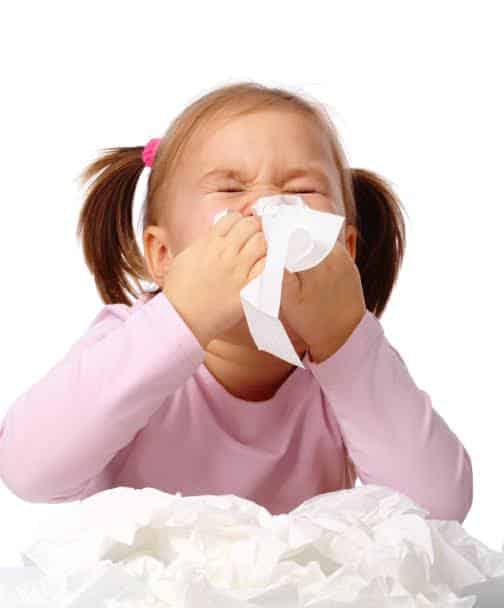
During a viral cough, there are several precautions children should take:

  1. Hygiene: Teach them proper handwashing techniques to prevent the spread of germs.
  2. Cover Coughs and Sneezes: Encourage them to cough or sneeze into their elbow or a tissue to prevent the spread of respiratory droplets.
  3. Avoid Close Contact: Advise them to avoid close contact with sick individuals to minimize the risk of infection.
  4. Stay Home: If they’re sick, it’s important for them to stay home from school or other activities to prevent spreading the virus to others.
  5. Hydration and Rest: Make sure they drink plenty of fluids and get enough rest to aid in their recovery.
  6. Proper Disposal of Tissues: Teach them to dispose of used tissues properly and wash their hands afterward.
  7. Avoid Touching Face: Remind them not to touch their eyes, nose, or mouth with unwashed hands.
  8. Regular Cleaning: Keep their living space clean and well-ventilated, and regularly clean frequently-touched surfaces.
  9. Healthy Diet: Encourage them to eat a balanced diet to support their immune system.
  10. Consult your pediatrician: If the cough persists, worsens, or is accompanied by other concerning symptoms including fast breathing or noisy breathing

Remember, these are general precautions. It’s important to follow guidance from your pediatrician for specific situations.


IMG_0399.jpeg
29/Jul/2023

Ear piercing in children is a common practice in many cultures. If you are considering getting your child’s ears pierced, there are a few things you should keep in mind:

1. Age: The age varies, but generally, children after 6 months of age are considered better candidates for ear piercing. In some regions, it’s considered at a much younger age. However, it’s safer to get ear piercing done at least after the 1st dose of the DPT vaccine (which is after 6 weeks of life).

2. Safety: Safety should be a top priority. Ensure that the piercing is done by a trained professional in a hygienic environment. They should use sterile equipment and follow proper aftercare procedures to minimize the risk of infection.

3. Aftercare: After the piercing, proper care is crucial to avoid infections and complications. Follow the aftercare instructions provided by the professional, such as cleaning the piercings regularly with a saline solution or prescribed antiseptic.

4. Healing time: It’s important to understand that ear piercings take time to heal, especially in children(usually 3 to 4 weeks). Be prepared for potential discomfort or sensitivity during the healing process, which can take several weeks to a few months.

5. Considerations: Take into account your child’s individual preferences and willingness to have their ears pierced. It’s important to have a discussion with them and ensure they are on board with the decision.

Remember, every child is different, so it’s important to evaluate what is best for your specific situation. If you’re unsure, you can consult with a pediatrician or a professional piercer for personalized advice before proceeding.


IMG_0395.jpeg
21/Jul/2023

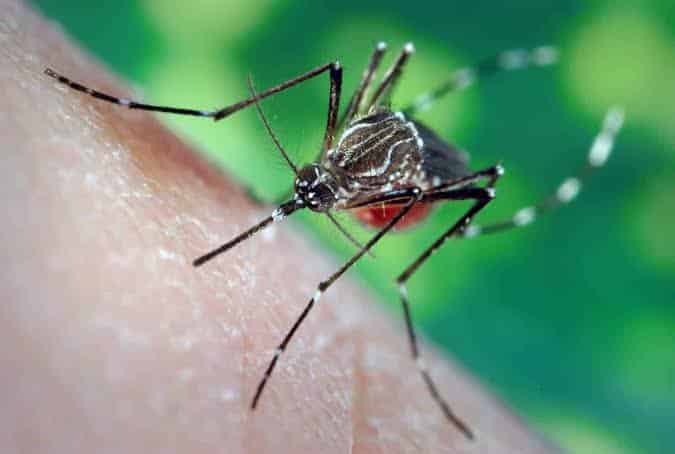
Dengue is a viral infection transmitted through the bites of infected mosquitoes, primarily the Aedes aegypti mosquito. Children, especially those under the age of 10, are at a higher risk of severe complications from dengue. To protect children from dengue, it’s important to take the following precautions:

  1. Use mosquito repellents: Choose repellents that are safe for children and contain ingredients such as DEET, picaridin, or oil of lemon eucalyptus.
  2. Dress appropriately: Dress your child in light-colored, long-sleeved shirts and long pants to minimize exposed skin during peak mosquito activity times, which are early morning and late afternoon to evening.
  3. Use mosquito nets: If your child sleeps during the daytime or in areas where mosquito exposure is likely, use mosquito nets over their beds or cribs to provide an extra layer of protection.
  4. Eliminate breeding sites: Ensure that there are no stagnant water sources around your home, as these are potential breeding grounds for mosquitoes. Regularly empty and clean containers such as flower pots, water buckets, and discarded tires where water can accumulate.
  5. Stay indoors during peak mosquito activity: When possible, keep children indoors during times when mosquitoes are most active, especially in areas with a high incidence of dengue.
  6. Screen windows and doors: Install screens on windows and doors to keep mosquitoes out while allowing air circulation.
  7. Seek medical attention: If your child shows symptoms of dengue, such as high fever, severe headache, pain behind the eyes, joint and muscle pain, rash, or bleeding, consult your pediatrician immediately. Early diagnosis and treatment can prevent complications.
  8. Stay hydrated: Encourage your child to drink plenty of fluids to prevent dehydration, especially if they have a fever.
  9. Avoid self-medication: Do not give your child aspirin or non-steroidal anti-inflammatory drugs (NSAIDs) like ibuprofen unless prescribed by your pediatrician. These medications can increase the risk of bleeding in dengue cases.
  10. Educate your child: Teach your child about the importance of preventing mosquito bites and the risks associated with dengue. Encourage them to use repellents and wear protective clothing when outdoors.

By taking these precautions, you can reduce the risk of your child contracting dengue and experiencing severe complications if they do become infected. If dengue is prevalent in your area, it’s crucial to stay informed about local health advisories and follow any additional recommendations from health authorities.


IMG_0392.jpeg
15/Jul/2023

Mosquito bites are a common occurrence in children, especially during warmer months or in areas where mosquitoes are prevalent. While most mosquito bites are harmless and only result in temporary discomfort, they can occasionally lead to more serious complications. Here are some key points to keep in mind regarding mosquito bites in children:

  1. Symptoms: Mosquito bites typically cause redness, swelling, and itchiness at the site of the bite. Some children may also experience a small, raised bump. The itching can be quite intense, leading to scratching, which can increase the risk of infection.
  2. Prevention: It’s important to take steps to prevent mosquito bites in children. Use mosquito nets or screens on windows and doors, dress your child in long sleeves and pants, especially during peak mosquito activity times (dusk and dawn), and apply insect repellent that is specifically formulated for use on children. Avoid using repellents containing DEET on infants younger than two months old.
  3. Treatment: For mild mosquito bite symptoms, you can provide relief by washing the affected area with mild soap and water, applying a cold compress, and using over-the-counter anti-itch creams or lotions. Avoid excessive scratching to prevent further irritation or infection.
  4. Infection: Although uncommon, mosquito bites can become infected if the child scratches the bite excessively or breaks the skin. Signs of infection include increasing redness, swelling, pain, warmth, or pus formation. If you suspect an infection, consult a healthcare professional for appropriate treatment.
  5. Allergic Reactions: Some children may have an allergic reaction to mosquito bites, resulting in more pronounced symptoms such as hives, severe swelling, or difficulty breathing. In such cases, seek immediate medical attention.
  6. Mosquito-borne Diseases: While mosquito bites themselves are generally harmless, mosquitoes can transmit certain diseases like malaria, dengue fever, chikungunya etc. These diseases are more prevalent in specific regions, so it’s important to be aware of any local health advisories and take appropriate precautions when traveling to high-risk areas.

If you have concerns about mosquito bites or notice any unusual symptoms or reactions in your child, it’s always best to consult your pediatrician for proper evaluation and guidance.


IMG_0390.jpeg
10/Jul/2023

Iron is an essential mineral for toddlers as it supports their growth and development. Here are some iron-rich foods that you can include in your toddler’s diet:

  1. Lean meats: Lamb, pork, sea food and poultry (such as chicken) are excellent sources of iron. Ensure that the meat is cooked well and cut into small, manageable pieces for your toddler.
  2. Beans and legumes: Kidney beans, chickpeas, lentils, and black beans are great sources of iron. You can offer them in various forms like soups, stews, or mashed and seasoned as a side dish.
  3. Iron-fortified cereals: Look for iron-fortified breakfast cereals specifically made for toddlers. These cereals are usually enriched with iron and other essential nutrients.
  4. Dried fruits: Raisins, apricots, and prunes are iron-rich dried fruits that can be given to toddlers. Ensure that they are cut into small, bite-sized pieces to prevent choking hazards.
  5. Leafy green vegetables: Spinach, kale, and broccoli are rich in iron. Steam or sauté them until they are tender and serve them as a side dish or incorporate them into soups, stews, or pasta dishes.
  6. Eggs: Egg yolks are a good source of iron. Scrambled eggs, boiled eggs, or omelets can be a nutritious addition to your toddler’s diet.
  7. Fortified bread and grains: Look for bread and grains that are enriched with iron. Whole grain bread, fortified pasta, and fortified rice are some options to consider.

Remember that iron absorption is enhanced when paired with vitamin C-rich foods. So, you can serve iron-rich foods with fruits like oranges, strawberries, or tomatoes, which are high in vitamin C.

If you have concerns about your toddler’s iron intake, it’s always a good idea to consult with your pediatrician who can provide personalized advice based on your child’s specific needs.


IMG_0386.jpeg
04/Jul/2023

Inhaler therapy can be an effective treatment option for children with allergic cough. Allergic cough, also known as cough-variant asthma, is a condition where coughing is the primary symptom triggered by an allergic reaction. Inhalers deliver medication directly to the airways, providing quick relief and long-term control of respiratory symptoms.

There are two main types of inhalers commonly used in the treatment of allergic cough in children:

  1. Short-acting bronchodilators (rescue inhalers): These inhalers contain medications such as salbutamol (asthalin) which work by relaxing the muscles in the airways, opening them up and providing immediate relief during an asthma attack or episode of coughing. They are used on an as-needed basis when symptoms occur. Usually used for 5 to 7 days ( as per advice of your pediatrician) and stopped with cough subsides or reduces.
  2. Long-acting controllers (maintenance inhalers): These inhalers contain medications like inhaled corticosteroids (ICS) or combination inhalers (ICS plus long-acting bronchodilators). They are used regularly to reduce airway inflammation and prevent future episodes of coughing or asthma attacks. They help manage symptoms over the long term and are not used for immediate relief.

It is important to note that the use of inhaler therapy in children should be done under the guidance and supervision of a healthcare professional, such as a pediatrician or an allergist. They can assess the child’s condition, prescribe the appropriate inhaler, determine the correct dosage, and provide instructions on how to use the inhaler correctly.

Proper inhaler technique is crucial to ensure the medication reaches the lungs effectively. Parents or caregivers should be trained on how to use the inhaler correctly and teach their child to use it properly. It may involve coordinating the inhaler with a spacer device, especially for younger children, to ensure optimal drug delivery.
Your pediatrician might advice you to use a mask or without mask, which ever is best possible method for your child.

Regular follow-up visits with the pediatrician are important to assess the child’s response to inhaler therapy, adjust medication dosages if necessary, and monitor overall respiratory health.

In addition to inhaler therapy, it is also essential to identify and avoid triggers that can worsen allergic cough in children. Common triggers include environmental allergens such as pollen, dust mites, pet dander, and certain irritants like smoke or strong odors. Taking steps to reduce exposure to these triggers can help minimize coughing episodes and improve overall respiratory health.

Overall, inhaler therapy can be an effective treatment option for children with allergic cough when used correctly and under medical supervision. It helps provide immediate relief during coughing episodes and long-term control to prevent future symptoms.


IMG_0370.jpeg
28/Jun/2023

When selecting an oil for your newborn, it’s essential to choose one that is safe and suitable for their delicate skin. Here are a few considerations:

  • Avoid oil till your baby is 1 month old atleast.
  • Use oils specifically formulated for babies: Look for baby oils that are hypoallergenic, free from harsh chemicals, and designed for newborns.
  • Opt for natural, plant-based oils: Examples include coconut oil, olive oil, almond oil, or jojoba oil. Avoid using oils with strong fragrances or additives that may irritate the baby’s skin.
  • Patch test: Before applying any oil to your baby’s skin, do a patch test on a small area to ensure there are no adverse reactions or allergies.
  • Avoid the face, eyes, and genital area: It’s generally recommended to avoid oil application on the face, particularly near the eyes, and genital area.
  • Vigorous massage with oil can lead to irritation rash over the skin.
  • Too much oil application over the scalp and face can lead to rashes that might warrant baby to be kept off oil exposure for a while.

It’s always a good idea to consult your pediatrician before starting any new skincare routine or using oils on your newborn baby.


IMG_0369.jpeg
19/Jun/2023

Growing pains are a common phenomenon experienced by some children, typically between the ages of 3 and 12 years. These pains are characterized by recurrent, usually bilateral, leg pain that occurs predominantly in the evening or at night.

  1. Symptoms: Growing pains primarily affect the muscles rather than the joints. Children may complain of pain in the thighs, calves, or behind the knees. The pain is often described as an ache or a cramp and is typically not associated with swelling, redness, or warmth in the affected areas.
  2. Frequency and duration: Growing pains usually occur intermittently and may come and go over weeks or months. The episodes of pain tend to last for about 10 to 30 minutes but can sometimes persist for longer periods.
  3. Causes: The exact cause of growing pains is still uncertain. However, they are not associated with actual growth spurts, as the name might suggest. Several theories suggest that growing pains may be related to muscle fatigue, overuse, or stress on the muscles and bones during physical activities.
  4. Risk factors: Growing pains are more commonly seen in children who are very active or participate in sports or other physical activities. They are also more prevalent in children with a family history of growing pains.
  5. Diagnosis: Growing pains are typically diagnosed based on the child’s medical history and physical examination. Laboratory tests or imaging studies are usually not necessary unless there are atypical symptoms or signs that suggest an underlying condition.
  6. Treatment: Growing pains do not require specific medical treatment as they are considered a normal part of a child’s development. However, there are some measures that can help alleviate discomfort, such as:
    • Massaging the affected area.
    • Applying a warm compress to the painful area.
    • Encouraging gentle stretching exercises before bedtime.
    • Administering over-the-counter pain relievers like acetaminophen or ibuprofen, under the guidance of a healthcare professional.
  7. When to consult a doctor: While growing pains are generally harmless, it’s a good idea to consult your pediatrician if:
    • The pain is severe, persistent, or causing significant distress to the child.
    • There is redness, swelling, or other signs of inflammation.
    • The child develops a limp or has difficulty walking.
    • The child’s daily activities or sleep are consistently affected.

Remember, growing pains are a benign condition and tend to resolve as children grow older. However, if you have concerns about your child’s symptoms, it’s always best to consult your pediatrician for an accurate diagnosis and appropriate advice.


IMG_0330.jpeg
16/Jun/2023

Colic is a common condition that affects some newborn babies. It is characterized by frequent and intense crying episodes, usually occurring in the late afternoon or evening. Colic typically starts within the first few weeks of life and often resolves on its own by the time the baby is three to four months old.

The exact cause of colic is unknown, but there are several theories. Some possible factors that may contribute to colic include:

  1. Immature digestive system
  2. Gas and trapped air: Babies can swallow air while feeding, which can lead to trapped gas in their digestive system, causing discomfort and colic.
  3. Overstimulation: Sensory overload, such as excessive noise, bright lights, or too much handling, can overwhelm newborns and contribute to colic episodes.
  4. Allergies or sensitivities: Some infants may have an intolerance or sensitivity to certain foods, such as cow’s milk protein, which can cause colic-like symptoms.

It’s important to note that colic is a diagnosis of exclusion, meaning that other possible causes of excessive crying, such as medical conditions or infections, should be ruled out by your pediatrician.

While colic can be distressing for both the baby and the parents, there are several strategies that may help manage the symptoms:

  1. Soothing techniques: Gentle rocking, swaddling, using white noise, or carrying the baby in a sling or carrier can provide comfort and help calm a colicky baby.
  2. Feeding adjustments: If breastfeeding, the mother may try eliminating potential trigger foods from her diet, such as dairy products or caffeine. If formula-feeding, sometimes your baby might have to be switched to less allergenic formulas by your pediatrician.
  3. Burping: Ensuring the baby is burped frequently during and after feedings can help release trapped air and reduce discomfort.
  4. Creating a calm environment: Minimizing stimulation, dimming lights, and reducing noise levels during colic episodes can help soothe the baby.
  5. Seeking support: Taking breaks and asking for help from family members or friends can provide much-needed support for parents dealing with a colicky baby.

It’s crucial to consult with a pediatrician to rule out any underlying medical conditions and for personalized advice on managing colic in your newborn. Your doctor can provide guidance tailored to your baby’s specific needs and offer additional strategies or interventions if necessary.


IMG_0329.jpeg
08/Jun/2023

When it comes to weaning, the process of transitioning a baby from a milk-only diet to solid foods, there are several tips and guidelines that can help parents navigate this important stage of their child’s development. Here are some weaning advice for parents:

  1. Introduce solids gradually: Start by introducing a single food item at a time, ideally pureed or mashed, and observe how your baby reacts to it. Mashed seasonal fruits with milk fat (malai) is mostly tolerated well by infants. Change or add on second meal only after a week. Allow time for baby to adjust.
  2. Maintain a relaxed atmosphere: Make mealtimes enjoyable and stress-free for both you and your baby. Create a comfortable environment, free from distractions, where you can sit face-to-face with your child. This helps establish positive associations with food and encourages healthy eating habits.
  3. Follow your baby’s cues: Pay attention to your baby’s signals and readiness for solid foods. Signs that your baby may be ready for weaning include good head control, ability to sit up with support, showing interest in food, and loss of the tongue-thrust reflex (pushing food out of the mouth with the tongue).
  4. Gradually increase textures: As your baby becomes comfortable with purees, start introducing thicker textures and lumpier foods(This normally takes a month of initiation of weaning foods). This helps develop their chewing and swallowing skills. You can also introduce finger foods that are easy to hold and chew, such as soft cooked vegetables or small pieces of ripe fruits.
  5. Offer a variety of flavors: Introduce a wide range of flavors and textures to expand your baby’s palate. Exposing them to different tastes early on can help promote acceptance of diverse foods later in life. However, avoid adding salt, sugar, or other seasonings to your baby’s food till 10 months of age atleast.
  6. Continue breastfeeding or formula feeding: Remember that breast milk or formula will continue to be an important source of nutrition for your baby during the weaning process. Solid foods should complement, not replace.
  7. Be patient and persistent: It may take time for your baby to accept and enjoy new foods. Don’t be discouraged if they initially reject certain foods or make a mess while eating. Keep offering a variety of foods, and let your baby explore and develop their own preferences over time.
  8. Practice good hygiene: Ensure that all feeding equipment and utensils are clean and sterilized to maintain good hygiene. Wash your hands before preparing your baby’s food and encourage them to explore and self-feed when they are ready.
  9. Seek professional advice when needed: If you have concerns about your baby’s growth, nutrition, or weaning process, consult your pediatrician. They can provide personalized guidance and address any specific questions or challenges you may have.

Remember, every baby is unique, and the weaning process may vary for each child. Trust your instincts as a parent, follow your baby’s cues, and enjoy this exciting milestone in their development.


Dr. Vibin KV

Dr. Vibin KV is best pediatrician in south Delhi, near safdarjung enclave. He has over 14 years experience in managing sick children from newborn to 18 years of age.
Conditions treated and services provided at the clinic include:
1) Respiratory illnesses with cough or noisy breathing- bronchiolitis, bronchitis, pneumonia, wheezing, asthma, foreign body, Inhaler therapy etc.
2) Vaccinations in all age groups.
3) New Born baby care.
4) Diarrhea, dysentery, dehydration.
5) Liver and Kidney Failure.
6) Brain infection including meningitis, encephalitis etc.
7) Urinary problems like Urinary tract infection, poor urine stream, painful urine, tight skin of the penis (phimosis) or paraphimosis, redness or pus at penis area.
8) Nephrotic syndrome and other Kidney related problems.
9) Jaundice, Hepatitis.
10) Poor growth, short stature, overweight, obesity.
11) Childhood diabetes and other endocrine problems in children.
12) Colic in infants.
13) Constipation in infants and older children.
14) Skin conditions like allergies, eczema, dermatitis, herpes, Rashes, dry skin, Dandruff, white patch over face, hair fall, dry scalp, diaper rash, nail problems etc.
15) Hernia or hydrocele- swelling in umbilical, swelling in testis, swelling in inguinal region.
16) Fever and Infections (bacterial, viral, fungal etc)
17) Seizures - Epilepsy, Febrile seizures.
18) worm infestations
19) Fall from height, head injury, Trauma, fractures (bone injury) etc.
20) PICC line and central line insertions.
21) Day care and Inpatient care facilities.
22) Adolescent care - emotional, psychological health.
23) Autism, ADHD, hyperactivity, learning disabilities, Developmental delay.
24) Short surgical procedures needing IV sedation.

Copyright by Dr. VibinKV 2023. All rights reserved.