menu trigger
menu trigger

Monday and Saturday 02:00 PM to 6 PM+91 87007 36656dr.vibinkv@gmail.com2nd Floor 1, Central Ave, Maharani Bagh Community Center,Block E, New Friends Colony. New Delhi, Delhi 110065
Medical Info For Parents

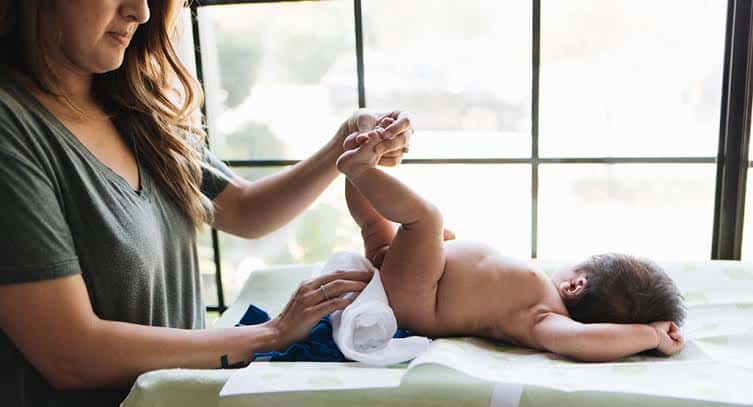
Parents can take several precautions to help prevent loose stools or manage them effectively:
- Good hygiene practices: Encourage frequent handwashing with soap and water, especially before meals and after using the bathroom, to prevent the spread of infections.
- Proper food handling: Ensure that food is prepared and stored safely to prevent contamination. Cook meats thoroughly, wash fruits and vegetables, and avoid giving children unpasteurized dairy products.
- Hydration: Make sure your child drinks plenty of fluids, such as water or ORS, to prevent dehydration, especially during episodes of loose stools.
- Healthy diet: Provide a balanced diet rich in fruits, vegetables, whole grains, and lean proteins to support overall gut health.
- Avoiding triggers: Identify and avoid foods or drinks that may trigger loose stools in your child, such as excessive sugary snacks or drinks, spicy foods, or certain allergens.
- Regular medical check-ups: Schedule regular visits with your child’s pediatrician for routine check-ups and vaccinations to prevent infections that can lead to loose stools.
- Prompt medical attention: Consult your pediatrician immediately, if your child experiences persistent or severe loose stools, signs of dehydration, or other concerning symptoms such as fever or abdominal pain.
By following these precautions, parents can help reduce the risk of loose stools in children and manage them effectively when they occur.
Recent Posts

September 25, 2026
August 24, 2026