Precocious (Early signs) puberty in children
July 4, 2026 by Dr. Vibin KV0
IMG_0127-1200x560.jpeg

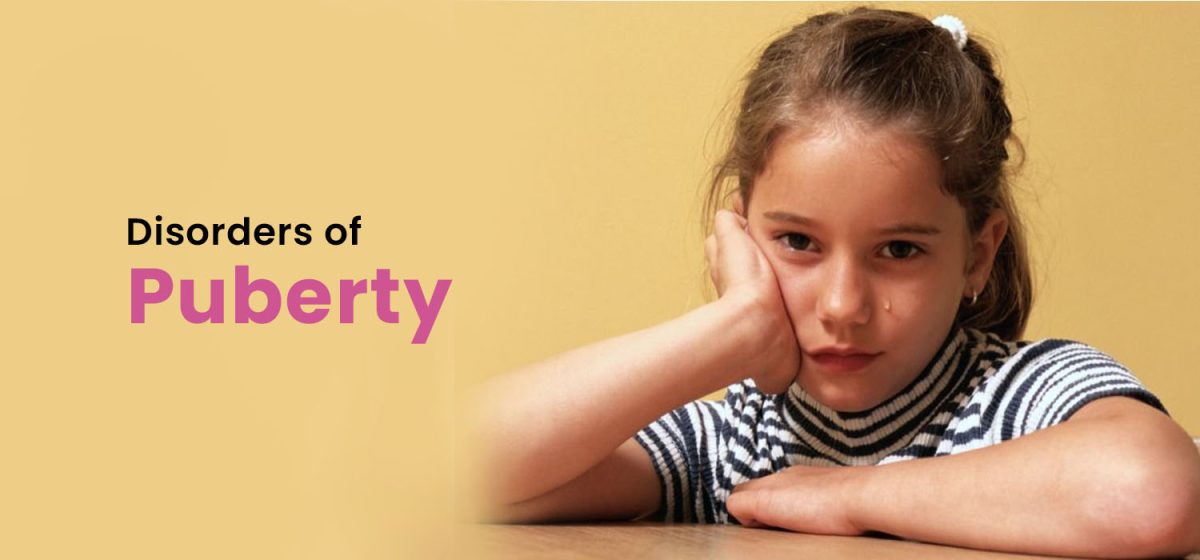
Precocious puberty is when puberty starts earlier than normal—before age 8 in girls and before age 9 in boys—and it always deserves a medical check‑up. With prompt evaluation, most children can be treated effectively and supported emotionally.kidshealth+3


What “normal” vs “precocious” puberty looks like

  • Typical timing: Puberty usually starts between ages 8–13 in girls and 9–14 in boys.medlineplus+1

  • Precocious puberty: Signs before age 8 in girls or before age 9 in boys are considered early and should be discussed with a doctor.kidshealth+4

  • It’s more common in girls: Early puberty happens more often in girls than in boys and is rare overall (less than 1% of children).uclahealth+1


Early signs in girls

Parents should watch for these signs occurring before age 8:kidshealth+3

  • Breast development.

  • Menstruation (first period) before about age 10.kidshealth+2

  • Rapid height growth or “growth spurt,” new curves in body shape.kidshealth+2

Other possible signs include:kidshealth+3

  • Pubic or underarm hair.

  • Body odor, acne, mood changes (more irritability or emotional swings).


Early signs in boys

In boys, signs before age 9 should be checked:kidshealth+4

  • Enlargement of testicles and penis.kidshealth+2

  • Rapid height growth and more muscular build.kidshealth+2

  • Voice deepening, pubic/underarm facial hair, body odor, acne.kidshealth+3

Some boys may also have mood changes, such as increased aggression or risk‑taking behaviors.

Leave a Reply

Your email address will not be published. Required fields are marked *


Dr. Vibin KV

Dr. Vibin KV is best pediatrician in south Delhi, near safdarjung enclave. He has over 14 years experience in managing sick children from newborn to 18 years of age.
Conditions treated and services provided at the clinic include:
1) Respiratory illnesses with cough or noisy breathing- bronchiolitis, bronchitis, pneumonia, wheezing, asthma, foreign body, Inhaler therapy etc.
2) Vaccinations in all age groups.
3) New Born baby care.
4) Diarrhea, dysentery, dehydration.
5) Liver and Kidney Failure.
6) Brain infection including meningitis, encephalitis etc.
7) Urinary problems like Urinary tract infection, poor urine stream, painful urine, tight skin of the penis (phimosis) or paraphimosis, redness or pus at penis area.
8) Nephrotic syndrome and other Kidney related problems.
9) Jaundice, Hepatitis.
10) Poor growth, short stature, overweight, obesity.
11) Childhood diabetes and other endocrine problems in children.
12) Colic in infants.
13) Constipation in infants and older children.
14) Skin conditions like allergies, eczema, dermatitis, herpes, Rashes, dry skin, Dandruff, white patch over face, hair fall, dry scalp, diaper rash, nail problems etc.
15) Hernia or hydrocele- swelling in umbilical, swelling in testis, swelling in inguinal region.
16) Fever and Infections (bacterial, viral, fungal etc)
17) Seizures - Epilepsy, Febrile seizures.
18) worm infestations
19) Fall from height, head injury, Trauma, fractures (bone injury) etc.
20) PICC line and central line insertions.
21) Day care and Inpatient care facilities.
22) Adolescent care - emotional, psychological health.
23) Autism, ADHD, hyperactivity, learning disabilities, Developmental delay.
24) Short surgical procedures needing IV sedation.

Copyright by Dr. VibinKV 2023. All rights reserved.