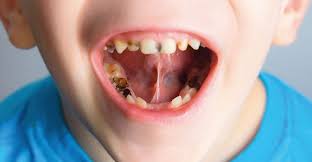

Dental caries, commonly known as tooth decay or cavities, is one of the most prevalent chronic diseases in children. It occurs when the hard surfaces of the teeth are damaged by acids produced by bacteria in the mouth. Here’s an overview of dental caries in children:
1. Causes of Dental Caries
- Bacteria: The primary bacteria involved in tooth decay is Streptococcus mutans. These bacteria feed on sugars and starches left on the teeth, producing acids that erode tooth enamel.
- Diet: Frequent consumption of sugary foods and drinks contributes significantly to the development of cavities. Sticky snacks like candy and dried fruit are particularly harmful.
- Poor Oral Hygiene: Inadequate brushing and flossing allow plaque—a sticky film of bacteria—to build up on teeth, leading to decay.
- Fluoride Deficiency: Fluoride strengthens tooth enamel, making it more resistant to acid attacks. Lack of fluoride, whether from water, toothpaste, or supplements, increases the risk of caries.
2. Signs and Symptoms
- White Spots: Early caries may appear as white spots on the tooth surface, indicating demineralization.
- Brown or Black Spots: As the decay progresses, the affected area may turn brown or black.
- Sensitivity: Children may experience sensitivity to hot, cold, or sweet foods and drinks.
- Toothache: As cavities deepen, they can cause pain, especially when chewing.
- Visible Holes or Pits: Advanced decay can create holes or pits in the teeth.
3. Risk Factors
- Age: Children are particularly susceptible to caries, especially those between ages 1 and 3.
- Bottle-Feeding: Prolonged bottle-feeding, especially with sugary liquids like juice or milk at bedtime, can lead to “baby bottle tooth decay.”
- Lack of Dental Care: Delayed or infrequent dental visits contribute to undetected and untreated cavities.
- Family History: A history of dental caries in parents or siblings increases the risk in children.
4. Prevention Strategies
- Good Oral Hygiene: Start brushing a child’s teeth as soon as they appear using a small amount of fluoride toothpaste. Floss once two teeth touch.
- Regular Dental Check-Ups: Children should visit a dentist by their first birthday and continue with regular check-ups every six months.
- Healthy Diet: Limit sugary snacks and drinks. Encourage water and a balanced diet rich in fruits, vegetables, and whole grains.
- Fluoride Use: Ensure that children get adequate fluoride, either through water, toothpaste, or supplements as recommended by a dentist.
- Dental Sealants: These protective coatings can be applied to the chewing surfaces of the back teeth to prevent decay.
5. Treatment Options
- Fluoride Treatments: In the early stages of decay, fluoride treatments can help remineralize the teeth and reverse the decay process.
- Fillings: Cavities that have progressed beyond the enamel will need to be filled with materials like composite resin, amalgam, or porcelain.
- Crowns: In cases of extensive decay, a crown may be necessary to restore the tooth’s function and appearance.
- Extractions: Severely decayed teeth that cannot be restored may need to be removed.
6. Long-Term Impact
- Oral Health: Untreated dental caries can lead to pain, infection, and problems with eating, speaking, and learning.
- General Health: Severe decay can spread infection to other parts of the body, leading to more serious health issues.
- Dental Anxiety: Painful dental experiences in childhood can lead to dental anxiety or phobia later in life.
By maintaining good oral hygiene, promoting healthy dietary habits, and ensuring regular dental visits, parents can help prevent dental caries in their children and set the foundation for a lifetime of good oral health.