
Mosquito bites are a common occurrence in children, especially during warmer months or in areas where mosquitoes are prevalent. While most mosquito bites are harmless and only result in temporary discomfort, they can occasionally lead to more serious complications. Here are some key points to keep in mind regarding mosquito bites in children:
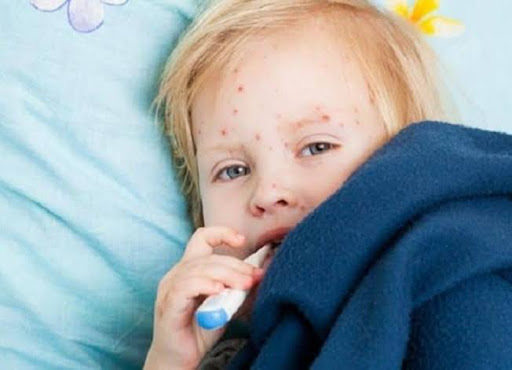
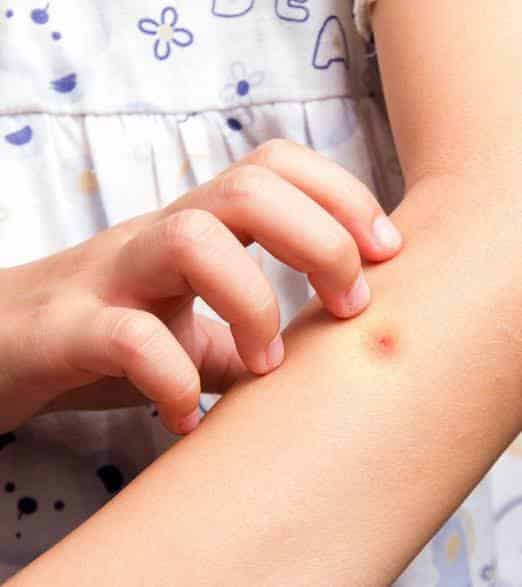
- Symptoms: Mosquito bites typically cause redness, swelling, and itchiness at the site of the bite. Some children may also experience a small, raised bump. The itching can be quite intense, leading to scratching, which can increase the risk of infection.
- Prevention: It’s important to take steps to prevent mosquito bites in children. Use mosquito nets or screens on windows and doors, dress your child in long sleeves and pants, especially during peak mosquito activity times (dusk and dawn), and apply insect repellent that is specifically formulated for use on children. Avoid using repellents containing DEET on infants younger than two months old.
- Treatment: For mild mosquito bite symptoms, you can provide relief by washing the affected area with mild soap and water, applying a cold compress, and using over-the-counter anti-itch creams or lotions. Avoid excessive scratching to prevent further irritation or infection.
- Infection: Although uncommon, mosquito bites can become infected if the child scratches the bite excessively or breaks the skin. Signs of infection include increasing redness, swelling, pain, warmth, or pus formation. If you suspect an infection, consult a healthcare professional for appropriate treatment.
- Allergic Reactions: Some children may have an allergic reaction to mosquito bites, resulting in more pronounced symptoms such as hives, severe swelling, or difficulty breathing. In such cases, seek immediate medical attention.
- Mosquito-borne Diseases: While mosquito bites themselves are generally harmless, mosquitoes can transmit certain diseases like malaria, dengue fever, chikungunya etc. These diseases are more prevalent in specific regions, so it’s important to be aware of any local health advisories and take appropriate precautions when traveling to high-risk areas.
If you have concerns about mosquito bites or notice any unusual symptoms or reactions in your child, it’s always best to consult your pediatrician for proper evaluation and guidance.