Medical Info For Parents

IMG_0047.jpeg
15/May/2025

Caring for a crying newborn at night can be exhausting and stressful, especially for new parents. Here’s what parents should know and consider when dealing with nighttime crying:


1. Understand Why Newborns Cry

Crying is a newborn’s primary way to communicate. At night, they may cry because of:

  • HungerNewborns have small stomachs and need to feed every 2–4 hours.

  • Dirty diaperA wet or soiled diaper can make them uncomfortable.

  • Gas or colicSome babies have digestive discomfort or colic, causing prolonged crying.

  • TemperatureThey may be too hot or too cold.

  • Sleep issuesThey may be overtired or unable to self-soothe.

  • Need for comfortSome babies just need to be held or feel secure.

  • Medical issuesIf the crying is excessive and nothing helps, consult a doctor to rule out illness.


2. Tips for Soothing a Crying Newborn at Night

  • Feed if hungryWatch for hunger cues (rooting, sucking motions).

  • Change diapers frequentlyEspecially before or after feeds.

  • Swaddle safelyThis can help them feel secure.

  • Use white noiseA white noise machine can mimic womb sounds.

  • Rock or holdGentle rocking or holding close can comfort them.

  • Check for gasBurp after feeds and consider gentle tummy massages or bicycle leg movements.

  • Maintain a calm environmentDim lights, soft voices, and minimal stimulation at night help reinforce day-night cues.


3. Safe Sleep Guidelines

Always follow safe sleep practices to reduce the risk of complications

  • Back to sleepAlways place baby on their back to sleep.

  • Firm mattressNo soft bedding, pillows, or toys in the crib.

  • Room-sharing, not bed-sharingKeep baby’s crib or bassinet in your room for at least 6 months.


4. Take Care of Yourself Too

  • Rest when you canSleep during baby’s naps if possible.

  • Share dutiesIf possible, rotate night shifts with a partner or family member.

  • Ask for helpDon’t hesitate to reach out to friends, family, or professionals.


5. When to Call the Doctor

Seek medical advice if:

  • The baby has a fever (especially under 3 months old).

  • Crying is high-pitched, nonstop, or sounds painful.

  • They’re not feeding well or seem lethargic.

  • You sense something isn’t right – always trust your instincts.


IMG_0046.jpeg
03/May/2025

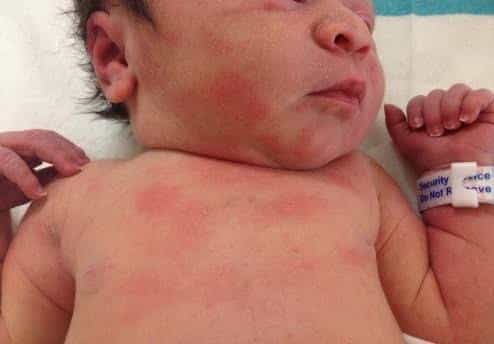
If a newborn develops a rash all over their body, it can be alarming, but not all rashes are dangerous. Here’s what parents should know and watch for:


Common (Usually Harmless) Newborn Rashes:

  1. Erythema toxicum neonatorum:

    • Red spots with small white/yellow bumps.

    • Common in healthy newborns (first week of life).

    • No treatment needed; clears on its own.

  2. Milia:

    • Tiny white bumps on the nose, cheeks, or chin.

    • Caused by blocked skin pores; resolve without treatment.

  3. Newborn acne:

    • Pimples on face, usually around 2–6 weeks of age.

    • Caused by maternal hormones; typically resolves in a few weeks/months.

  4. Heat rash (prickly heat):

    • Small red bumps in skin folds or where the baby gets hot.

    • Keep baby cool and dry; usually resolves quickly.


Warning Signs — When to Call a Doctor:

  • Fever (≥100.4°F or 38°C) in a baby under 3 months.

  • Rash looks like bruises or purple spots (could be serious, like meningitis).

  • Rash with blisters, peeling skin, or open sores.

  • Baby is very sleepy, irritable, or feeding poorly.

  • Rash is rapidly spreading or the skin looks infected (red, swollen, warm).


What Parents Should Do:

  • Don’t apply creams or powders unless recommended by a doctor.

  • Keep baby’s skin clean and dry; dress in soft, breathable clothing.

  • Take pictures to document changes if you need to consult a doctor.


IMG_0041.jpeg
12/Apr/2025

Deworming is an important part of keeping children healthy, especially in areas where parasitic worm infections are common. Here’s what parents should know:


What Is Deworming?

Deworming is the process of getting rid of intestinal worms (like roundworms, hookworms, and whipworms) using medication. These parasites can affect a child’s growth, nutrition, and overall health.


Why Is Deworming Important?

  • Improves nutrition: Worms can steal nutrients from food.

  • Boosts immunity: Less parasite burden allows the immune system to function better.

  • Enhances growth and development: Helps prevent malnutrition and anemia.

  • Improves school performance: Fewer health issues mean better focus and attendance.


Common Signs Your Child Might Need Deworming

  • Frequent stomach pain

  • Unexplained weight loss

  • Fatigue or weakness

  • Itchy bottom (especially at night)

  • Visible worms in stool

  • Poor appetite


When Should Children Be Dewormed?

  • Routine deworming: WHO recommends:

    • Once every 6 months in high-risk areas

    • Ages 1 to 14 are the target group

  • As prescribed: If symptoms suggest a worm infestation, a doctor may recommend deworming even outside of the schedule.


Which Medicines Are Used?

  • Common medications: Albendazole and Mebendazole

  • Safe, single-dose treatments

  • Available as chewable tablets or syrups for younger kids


Is Deworming Safe?

  • Yes, it’s generally safe with few side effects (like mild nausea or abdominal discomfort).

  • Always follow the correct dosage for your child’s age and weight.

  • Give medication under medical supervision, especially for kids under 2 years old.


How to Prevent Worm Infections

  • Practice good hygiene: Handwashing with soap

  • Keep nails short and clean

  • Wash fruits and vegetables thoroughly

  • Drink clean, boiled or filtered water

  • Wear shoes outdoors

  • Avoid open defecation


IMG_0039.jpeg
25/Mar/2025

A poor appetite in toddlers can be concerning for parents, but it is often a common phase that many children go through. There can be several reasons why a toddler may have a poor appetite:

  1. Growth Spurts: Toddlers’ appetites often fluctuate depending on their growth rate. During periods of slower growth, they may not feel as hungry.

  2. Picky Eating: Around this age, children start to develop their food preferences and might refuse certain foods or become more selective.

  3. Teething: Teething can cause discomfort or pain in a toddler’s mouth, which may make eating less appealing.

  4. Illness or Infection: Minor illnesses like colds, stomach bugs, or ear infections can reduce a child’s desire to eat.

  5. Distractions: Toddlers can become easily distracted and may not focus on eating, especially if they are interested in playing or other activities.

  6. Emotional Factors: Changes in routine, stress, or emotional upset can affect appetite.

  7. Health Conditions: Rarely, an underlying health issue (e.g., food allergies, gastrointestinal problems, or anemia) might contribute to poor appetite.

What Can You Do?

  • Offer Small, Frequent Meals: Instead of three large meals, offer small meals and snacks throughout the day.

  • Create a Positive Mealtime Environment: Avoid pressure to eat, and make meals fun or interactive.

  • Be Patient with Picky Eating: Offer a variety of foods and respect their preferences, but keep introducing new options.

  • Monitor for Signs of Illness: If there are other signs like fever, vomiting, or a lack of energy, it’s important to consult a pediatrician.

  • Consult a Pediatrician: If the poor appetite persists or is accompanied by other concerning symptoms, it’s always best to seek professional advice.

If you’re worried or the lack of appetite persists, it’s worth discussing with your pediatrician to rule out any underlying health concerns.


IMG_0038-1.jpeg
17/Mar/2025

Ear piercing in children is a personal decision for parents, but there are several important factors to consider before going ahead. Here’s what you need to know:

1. Best Age for Ear Piercing

  • The American Academy of Pediatrics (AAP) states that ear piercing is safe at any age if done properly. However, they recommend waiting until the child is old enough to care for the piercings themselves (usually around 6–8 years old) to reduce the risk of infection.
  • Some parents choose to pierce their baby’s ears early (as young as a few months old) because infants tend to heal faster and are less likely to touch or pull on their earrings.

2. Choosing a Safe Piercing Method

  • Needle vs. Piercing Gun: Professional piercers often recommend a needle over a gun because it’s more sterile, precise, and causes less trauma to the ear. Piercing guns can create more tissue damage and are harder to sterilize.
  • Go to a Licensed Professional: Ensure the piercing is done by a trained professional in a clean and reputable setting. Many pediatricians also offer ear piercing.

3. Choosing the Right Earrings

  • Use hypoallergenic metals such as surgical steel, titanium, or 14K+ gold to reduce the risk of allergic reactions.
  • Avoid earrings with nickel, as it can cause irritation.
  • Opt for small, flat-back earrings to prevent snagging.

4. Caring for Newly Pierced Ears

  • Clean twice a day with saline solution or antiseptic recommended by the piercer. Avoid using alcohol or hydrogen peroxide, as they can dry out and irritate the skin.
  • Do not remove earrings for at least 6–8 weeks (for lobe piercings) to prevent the holes from closing.
  • Rotate the earrings gently while cleaning to prevent them from sticking to the skin.
  • Watch for signs of infection (redness, swelling, pus, or pain) and consult a doctor if necessary.

5. Risks & Potential Complications

  • Infections can occur if proper hygiene is not maintained.
  • Keloids or scars can develop, especially in children with darker skin tones who are more prone to them.
  • Allergic reactions can occur if non-hypoallergenic metals are used.
  • Earring loss or choking hazard—for babies and toddlers, ensure earrings are secure to avoid accidental swallowing.

6. When to Seek Medical Attention

  • If the ear becomes excessively swollen, painful, or has discharge.
  • If the child develops a fever.
  • If the earring becomes embedded in the ear.

Final Thoughts

Ear piercing can be a safe and enjoyable experience for children with proper care. Parents should weigh the pros and cons, ensure a sterile procedure, and follow aftercare instructions carefully to prevent complications.


IMG_0032.jpeg
06/Feb/2025

Nasal congestion (nose block) is common in infants because their nasal passages are small and can easily become clogged with mucus. Here’s what parents should know:

Causes of Nose Block in Infants

  1. Common Cold – Viral infections can cause mucus buildup.
  2. Dry Air – Especially during winter or in air-conditioned rooms.
  3. Allergies – Though less common in newborns, dust, pet dander, or smoke can irritate their nose.
  4. Reflux – Sometimes, stomach acid can irritate the nasal passages.
  5. Teething – Some babies have nasal congestion when teething due to increased saliva production.

Signs of Nasal Congestion

  • Noisy breathing or snoring
  • Difficulty feeding due to blocked nose
  • Restlessness or trouble sleeping
  • Sneezing or mild coughing

How to Relieve Nose Block

  1. Saline Drops & Suction
    • Use saline nasal drops to loosen mucus.
    • A bulb syringe or nasal aspirator can help remove mucus gently.
  2. Steam & Humidifiers
    • A warm steam bath or a cool-mist humidifier in the baby’s room can ease congestion.
  3. Elevate the Head
    • Slightly elevating the baby’s head during sleep (not with a pillow but by tilting the crib mattress slightly) can help with drainage.
  4. Hydration
    • Breastfeeding or bottle-feeding keeps the baby hydrated, which helps thin the mucus.
  5. Avoid Irritants
    • Keep the baby away from smoke, strong perfumes, or dust.

When to See pediatrician

  • If congestion lasts more than 10 days.
  • Baby has difficulty breathing, wheezing, or high fever.
  • Signs of dehydration (fewer wet diapers, dry mouth).
  • If baby refuses to feed due to congestion.

Most nasal congestion in infants is mild and resolves on its own. However, if you’re worried, it’s always best to check with your child’s pediatrician.


IMG_0026.webp
13/Jan/2025

Human Metapneumovirus (hMPV) is a common respiratory virus that can cause infections in people of all ages, but it is particularly concerning for young children, older adults, and individuals with weakened immune systems. Here’s what parents should know about hMPV:

1. Symptoms

  • Mild Cases: Symptoms often resemble those of a common cold, including runny nose, cough, fever, sore throat, and congestion.
  • Severe Cases: In more severe infections, especially in young children or those with underlying health conditions, hMPV can cause bronchiolitis or pneumonia. Symptoms may include wheezing, difficulty breathing, and rapid breathing.

2. Transmission

  • hMPV spreads through respiratory droplets when an infected person coughs or sneezes.
  • It can also spread by touching contaminated surfaces and then touching the face, especially the nose, mouth, or eyes.

3. Who Is at Risk?

  • Young children, particularly those under the age of 2.
  • Older adults, especially those over 65.
  • People with weakened immune systems or chronic medical conditions such as asthma or heart disease.

4. Prevention

  • Good hygiene practices: Encourage children to wash their hands frequently with soap and water.
  • Avoid close contact: Keep children away from people who are sick.
  • Disinfect surfaces: Regularly clean and disinfect frequently touched surfaces.
  • Teach proper cough etiquette: Teach children to cough or sneeze into their elbow or a tissue and dispose of tissues properly.

5. Treatment

  • There is no specific antiviral treatment for hMPV.
  • Treatment focuses on relieving symptoms, such as using fever reducers, staying hydrated, and ensuring the child gets plenty of rest.
  • In severe cases, hospitalization may be required for oxygen therapy or more intensive care.

6. When to Seek Medical Attention

  • If your child shows signs of severe respiratory distress, such as difficulty breathing, wheezing, or a bluish tint to the skin, seek medical care immediately.
  • If symptoms worsen or do not improve after a few days, consult your pediatrician.

Summary

While hMPV is generally mild, it can cause serious illness in vulnerable populations. Parents should be vigilant about hygiene practices, monitor symptoms, and seek medical advice if their child shows signs of a more severe infection.


IMG_0015.jpeg
23/Dec/2024

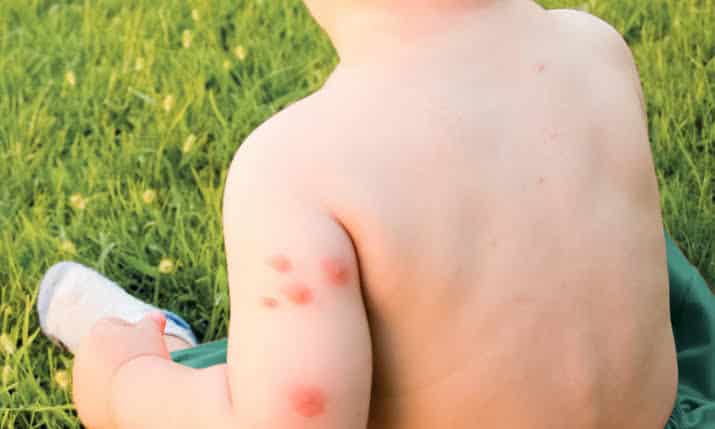
Mosquito bite allergy, also known as Skeeter syndrome, is an allergic reaction to proteins in a mosquito’s saliva. While most mosquito bites cause mild redness and itching, children with mosquito bite allergies may experience more severe symptoms. Here’s what parents should know:

Signs and Symptoms of Mosquito Bite Allergy

  1. Localized Reactions:
    • Large, swollen, red welts around the bite.
    • Pain, warmth, or itchiness at the site.
  2. Systemic Reactions (less common but more severe):
    • Fever.
    • Swollen lymph nodes.
    • Fatigue or a general feeling of being unwell.
  3. Infection Risk:
    • If a bite is scratched excessively, it can become infected, leading to redness, pus, or increased pain.

What Parents Should Do

  1. Immediate Care for a Mosquito Bite:
    • Wash the bite area with soap and water.
    • Apply a cold compress to reduce swelling.
  2. When to Seek Medical Attention:
    • Severe swelling that spreads beyond the bite site.
    • Signs of infection (e.g., pus, fever, increased redness).
    • Systemic reactions like breathing difficulties, which may indicate anaphylaxis (a rare but serious condition).
  3. Prevention Tips:
    • Use mosquito repellents: Look for products with DEET, picaridin, or lemon eucalyptus oil, approved for children.
    • Dress appropriately: Long-sleeved shirts and pants can protect the skin.
    • Install protective measures: Use mosquito nets and keep windows screened.
    • Avoid peak mosquito times: Mosquitoes are most active at dawn and dusk.
  4. Long-term Management:
    • If your child has frequent severe reactions, consult a pediatric allergist.
    • Allergy testing can help confirm the diagnosis and guide treatment.
  5. Avoid Scratching:
    • Encourage your child not to scratch bites to prevent secondary infections.
    • Keep their nails trimmed to minimize damage.

With proper care and preventive measures, the discomfort and risks associated with mosquito bite allergies can be effectively managed.


Dr. Vibin KV

Dr. Vibin KV is best pediatrician in south Delhi, near safdarjung enclave. He has over 14 years experience in managing sick children from newborn to 18 years of age.
Conditions treated and services provided at the clinic include:
1) Respiratory illnesses with cough or noisy breathing- bronchiolitis, bronchitis, pneumonia, wheezing, asthma, foreign body, Inhaler therapy etc.
2) Vaccinations in all age groups.
3) New Born baby care.
4) Diarrhea, dysentery, dehydration.
5) Liver and Kidney Failure.
6) Brain infection including meningitis, encephalitis etc.
7) Urinary problems like Urinary tract infection, poor urine stream, painful urine, tight skin of the penis (phimosis) or paraphimosis, redness or pus at penis area.
8) Nephrotic syndrome and other Kidney related problems.
9) Jaundice, Hepatitis.
10) Poor growth, short stature, overweight, obesity.
11) Childhood diabetes and other endocrine problems in children.
12) Colic in infants.
13) Constipation in infants and older children.
14) Skin conditions like allergies, eczema, dermatitis, herpes, Rashes, dry skin, Dandruff, white patch over face, hair fall, dry scalp, diaper rash, nail problems etc.
15) Hernia or hydrocele- swelling in umbilical, swelling in testis, swelling in inguinal region.
16) Fever and Infections (bacterial, viral, fungal etc)
17) Seizures - Epilepsy, Febrile seizures.
18) worm infestations
19) Fall from height, head injury, Trauma, fractures (bone injury) etc.
20) PICC line and central line insertions.
21) Day care and Inpatient care facilities.
22) Adolescent care - emotional, psychological health.
23) Autism, ADHD, hyperactivity, learning disabilities, Developmental delay.
24) Short surgical procedures needing IV sedation.

Copyright by Dr. VibinKV 2023. All rights reserved.