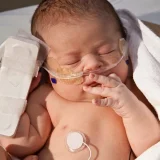
HMPV infection in children

Human Metapneumovirus (hMPV) is a common respiratory virus that can cause infections in people of all ages, but it is particularly concerning for young children, older adults, and individuals with weakened immune systems. Here’s what parents should know about hMPV:
1. Symptoms
- Mild Cases: Symptoms often resemble those of a common cold, including runny nose, cough, fever, sore throat, and congestion.
- Severe Cases: In more severe infections, especially in young children or those with underlying health conditions, hMPV can cause bronchiolitis or pneumonia. Symptoms may include wheezing, difficulty breathing, and rapid breathing.
2. Transmission
- hMPV spreads through respiratory droplets when an infected person coughs or sneezes.
- It can also spread by touching contaminated surfaces and then touching the face, especially the nose, mouth, or eyes.
3. Who Is at Risk?
- Young children, particularly those under the age of 2.
- Older adults, especially those over 65.
- People with weakened immune systems or chronic medical conditions such as asthma or heart disease.
4. Prevention
- Good hygiene practices: Encourage children to wash their hands frequently with soap and water.
- Avoid close contact: Keep children away from people who are sick.
- Disinfect surfaces: Regularly clean and disinfect frequently touched surfaces.
- Teach proper cough etiquette: Teach children to cough or sneeze into their elbow or a tissue and dispose of tissues properly.
5. Treatment
- There is no specific antiviral treatment for hMPV.
- Treatment focuses on relieving symptoms, such as using fever reducers, staying hydrated, and ensuring the child gets plenty of rest.
- In severe cases, hospitalization may be required for oxygen therapy or more intensive care.
6. When to Seek Medical Attention
- If your child shows signs of severe respiratory distress, such as difficulty breathing, wheezing, or a bluish tint to the skin, seek medical care immediately.
- If symptoms worsen or do not improve after a few days, consult your pediatrician.
Summary
While hMPV is generally mild, it can cause serious illness in vulnerable populations. Parents should be vigilant about hygiene practices, monitor symptoms, and seek medical advice if their child shows signs of a more severe infection.