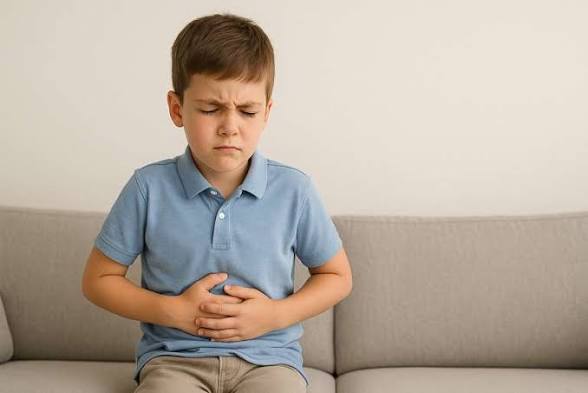

Functional abdominal pain (FAP) in adolescents is a common, real, and usually benign condition where belly pain occurs without a detectable structural, infectious, or inflammatory disease. It’s a disorder of gut–brain interaction: the nerves and signaling between the brain and gut become oversensitive, so normal gut sensations are felt as pain.kidshealth+2
What “functional” means (and doesn’t mean)
-
Functional ≠ “fake” or “all in the head.” The pain is genuine, but tests (blood work, ultrasound, endoscopy, etc.) are typically normal because there’s no ulcer, blockage, infection, or tissue damage.iffgd+1
-
It’s part of a group called disorders of gut–brain interaction (DGBIs), where brain–gut signaling, stress responses, gut motility, and sometimes the microbiome all play a role.healthychildren+1
How common is it?
-
Very common: studies suggest about 15% of schoolchildren have weekly abdominal pain; up to 1 in 4 children worldwide are affected by functional abdominal pain disorders.pmc.ncbi.nlm.nih+1
-
It often starts between ages 4–16, so adolescents are a typical group.kidshealth
Typical symptoms in teens
-
Pain is often around the belly button, but can move or vary in intensity.healthychildren+1
-
May come with:
-
Nausea, bloating, changes in bowel habits (constipation or diarrhea)
-
Headaches, dizziness, fatigue
-
Pain that flares with stress, school days, or after a stomach bugkidshealth+1
-
-
Kids usually grow normally, have normal appetite overall, and do not have red-flag signs like fever, weight loss, blood in stool/vomit, or nighttime pain that wakes them repeatedly.healthychildren+1
Red flags that need prompt medical evaluation
Contact your pediatrician (or seek urgent care) if any of these occur:
-
Unintentional weight loss or slowed growth
-
Persistent vomiting, especially with blood
-
Blood in stool or black/tarry stools
-
Fever, night sweats, or unexplained recurrent fevers
-
Severe, localized pain (e.g., right lower quadrant), or pain that wakes the child from sleep often
-
Pain with urination, rash, joint swelling, or signs of anemia (pallor, extreme fatigue)
-
Family history of inflammatory bowel disease, celiac disease, or peptic ulcer disease alongside concerning symptoms.
Why it happens (in plain language)
Think of the gut’s nerve pathways like a volume knob. In FAP, the “volume” on pain signals is turned up:
-
Past infections, stress, anxiety, or changes in routine can sensitize gut nerves.
-
The brain and gut constantly talk; when that system is dysregulated, normal stretching or movement in the intestines can feel painful.
-
Stress doesn’t “cause” the pain in a blaming way; it’s one of several biologic and social factors that can amplify an already sensitive system.healthychildren+1
What parents most need to know (and do)
1. Validate the pain, but don’t over-focus on it
-
Say: “I believe your pain is real. Tests show there’s no dangerous disease, and we’ll work on helping your body feel better.”pmc.ncbi.nlm.nih+1
-
Avoid repeatedly asking, “Does your stomach still hurt?” or making the pain the central topic of the day. Excessive focus can increase anxiety and pain perception.kidshealth+1
2. Keep normal routines—especially school
-
School attendance is a key treatment goal. Missing school reinforces the “sick role” and can worsen anxiety and pain long-term.pmc.ncbi.nlm.nih+1
-
Work with the school nurse/teachers so the teen can:
-
Use the restroom as needed
-
Take brief breaks if needed, but stay in class and continue activities
-
Avoid being sent home routinely for pain unless red flags appearpmc.ncbi.nlm.nih+1
-
3. Reduce “solicitous” responses that unintentionally reinforce pain
Helpful:
-
Calm reassurance, empathy, and problem-solving (“Let’s use your coping plan.”)
-
Encouraging activity, hobbies, and social time even if some pain is presentkidshealth+1
Less helpful:
-
Allowing the teen to stay home with TV/phones as a reward for pain
-
Giving special privileges only when pain is reported
-
Constantly checking in on pain levels throughout the daypmc.ncbi.nlm.nih
4. Use simple, practical symptom management
-
Diet:
-
Regular meals; don’t skip breakfast.
-
Limit obvious triggers: very spicy/fried foods, carbonated drinks, caffeine, large fatty meals.
-
If constipation is present, increase fiber gradually (fruits, vegetables, whole grains) and fluids.healthychildren+1
-
Some families try a short, supervised trial of reducing high-FODMAP foods (certain fermentable carbs), ideally with guidance from a clinician or dietitian.healthychildren
-
-
Medications (only under medical guidance):
-
Antispasmodics or acid-reducing meds may help some teens.
-
Low-dose tricyclic antidepressants or other neuromodulators may be used for pain control, not because the teen is depressed.healthychildren+1
-
-
Complementary options:
-
Peppermint oil (enteric-coated) can reduce cramping in some.
-
Probiotics may help bloating in some, though evidence is mixed.healthychildren+1
-
5. Teach coping skills and consider therapy
Functional abdominal pain often improves with brain–gut–focused therapies:
-
Cognitive behavioral therapy (CBT): Helps teens reframe pain thoughts, reduce fear, and build coping skills; strong evidence for reducing pain and disability.pmc.ncbi.nlm.nih+1
-
Gut-directed hypnotherapy and guided imagery: Studies show many children/teens improve substantially, sometimes with long-lasting benefit.healthychildren+1
-
Relaxation/breathing exercises, mindfulness, and biofeedback: Simple daily practice can lower stress reactivity and pain intensity.healthychildren+1
Ask your pediatrician for a referral to a psychologist or therapist experienced in pediatric pain or functional GI disorders.healthychildren+1
6. Keep a simple pain diary (without overdoing it)
A brief log for 1–2 weeks can help spot patterns:
-
Pain severity (0–10), time, location
-
Relation to meals, stress, school, sleep, bowel movements
-
What helped (rest, heat pack, breathing, medication)
Use this to guide treatment, not to make pain the center of daily life.healthychildren+1
Prognosis: what to expect long term
-
Many teens improve significantly within weeks to months, especially with reassurance, routine, and coping strategies.kidshealth+1
-
Some may have recurrent episodes during stressful periods; this doesn’t mean something dangerous is developing.
-
A subset may continue to have functional GI symptoms into adulthood (e.g., IBS-type symptoms), but early, active management improves functioning and quality of life.iffgd
When to follow up or seek specialty care
-
If pain persists despite basic measures, or if there are diagnostic uncertainties, ask for a pediatric gastroenterologyreferral.
-
If anxiety, depression, or school avoidance are prominent, involve child psychology/psychiatry early.pmc.ncbi.nlm.nih+1
Quick checklist for parents
-
✔️ Believe the pain; explain it’s real but not dangerous.
-
✔️ Keep up school, activities, and social life as much as possible.
-
✔️ Minimize pain-focused talk; maximize coping and normalcy.
-
✔️ Use simple diet/lifestyle tweaks; avoid extreme restrictions.
-
✔️ Consider CBT, hypnotherapy, or other gut–brain therapies.
-
✔️ Watch for red flags and maintain regular follow-up with the pediatrician.