Medical Info For Parents

24-laxman-rekha-chalk-pack-of-24-24-lakshman-rekha-original-imags4hepzgbaqre.webp
23/Jul/2024

Ingesting any pesticide, including Laxman Rekha (which contains the active ingredient cypermethrin), is a serious health hazard and requires immediate medical attention. Here’s what you should do if a child ingests this substance:

Immediate Steps:
Do Not Induce Vomiting: Inducing vomiting can cause further harm.
Check for Symptoms: Symptoms of cypermethrin poisoning can include nausea, vomiting, abdominal pain, dizziness, headaches, and in severe cases, seizures and respiratory distress.
Rinse the Mouth: If the child is conscious, rinse their mouth with water to remove any remaining substance.
Call Emergency Services: Contact emergency medical services or take the child to the nearest emergency room immediately.
Contact Poison Control: Call your local poison control center for specific advice on what to do next.

Medical Treatment:
Activated Charcoal: In some cases, medical professionals may administer activated charcoal to help absorb the toxin.
Supportive Care: Treatment may include intravenous fluids, medications to control symptoms, and monitoring of vital signs.
Hospitalization: In severe cases, hospitalization may be necessary for ongoing care and monitoring.

Prevention:
Always store pesticides and other hazardous substances out of reach of children.
Use child-resistant packaging when available.
Educate children about the dangers of ingesting unknown substances.

Ingesting Laxman Rekha or any other pesticide is a medical emergency. Prompt action can save lives and prevent serious health complications.


IMG_0450.jpeg
27/Feb/2024

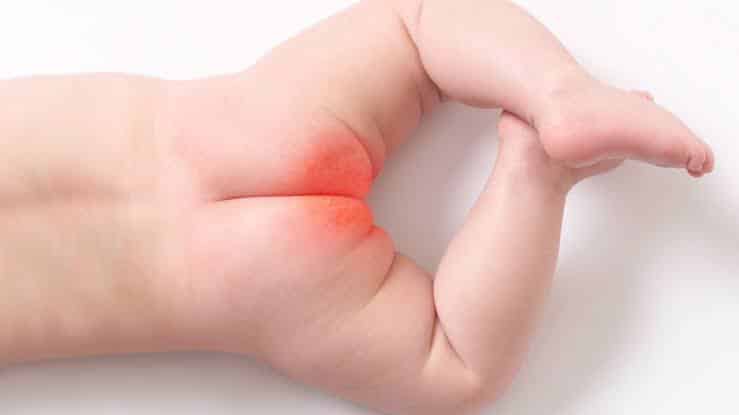
To take care of diaper rash in infants, you can follow these steps:

Keep the diaper area clean by gently washing with warm water during diaper changes. Avoid using wipes that contain alcohol or fragrance, as they can further irritate the skin.
Pat the diaper area dry instead of rubbing to minimize irritation.
Apply a thick barrier cream or ointment to protect the skin from moisture and friction. Look for products containing zinc oxide or petroleum jelly.
Change diapers frequently, ideally every 2-3 hours or as soon as they are wet or soiled, to reduce prolonged exposure to wetness.
Allow some diaper-free time each day to let the skin air out and promote healing.
Use diapers that are breathable and absorbent to minimize moisture buildup.
Avoid tight-fitting diapers or clothing that can rub against the skin and worsen irritation.
If using cloth diapers, ensure they are thoroughly rinsed and laundered with a mild detergent to prevent irritation from detergent residue.
Be cautious with introducing new products such as wipes, detergents, or creams, as some infants may be sensitive to certain ingredients.
If the rash persists or worsens despite home care measures, consult a pediatrician for further evaluation and treatment recommendations.


Dr. Vibin KV

Dr. Vibin KV is best pediatrician in south Delhi, near safdarjung enclave. He has over 14 years experience in managing sick children from newborn to 18 years of age.
Conditions treated and services provided at the clinic include:
1) Respiratory illnesses with cough or noisy breathing- bronchiolitis, bronchitis, pneumonia, wheezing, asthma, foreign body, Inhaler therapy etc.
2) Vaccinations in all age groups.
3) New Born baby care.
4) Diarrhea, dysentery, dehydration.
5) Liver and Kidney Failure.
6) Brain infection including meningitis, encephalitis etc.
7) Urinary problems like Urinary tract infection, poor urine stream, painful urine, tight skin of the penis (phimosis) or paraphimosis, redness or pus at penis area.
8) Nephrotic syndrome and other Kidney related problems.
9) Jaundice, Hepatitis.
10) Poor growth, short stature, overweight, obesity.
11) Childhood diabetes and other endocrine problems in children.
12) Colic in infants.
13) Constipation in infants and older children.
14) Skin conditions like allergies, eczema, dermatitis, herpes, Rashes, dry skin, Dandruff, white patch over face, hair fall, dry scalp, diaper rash, nail problems etc.
15) Hernia or hydrocele- swelling in umbilical, swelling in testis, swelling in inguinal region.
16) Fever and Infections (bacterial, viral, fungal etc)
17) Seizures - Epilepsy, Febrile seizures.
18) worm infestations
19) Fall from height, head injury, Trauma, fractures (bone injury) etc.
20) PICC line and central line insertions.
21) Day care and Inpatient care facilities.
22) Adolescent care - emotional, psychological health.
23) Autism, ADHD, hyperactivity, learning disabilities, Developmental delay.
24) Short surgical procedures needing IV sedation.

Copyright by Dr. VibinKV 2023. All rights reserved.