


Managing high fever in children can be distressing for parents. Here are some valuable parental tips:
Assessment
1. Check temperature: Use a digital thermometer preferably axillary temperature.
2. Observe behavior: Monitor for signs of distress, irritability, or lethargy.
Home Management
1. Fluids: Encourage oral fluids (breast milk, formula, or any liquids).
2. Medication:
– Acetaminophen/paracetamol (crocin/ calpol/ t-98 etc): consult pediatrician for dosage.
– Avoid other medicines like meftal (mefenemic acid) or brufen (ibuprofen) unless prescribed by your pediatrician.
3. Dressing: Dress child lightly to promote heat loss.
4. Bathing: Sponge baths with lukewarm water (not cold water).
5. Rest: Encourage quiet activities.
When to Seek Medical Attention
1. Fever >104°F (40°C) in children <3 months.
2. Fever >102°F (39°C) in children 3-6 months.
3. Fever lasting >72 hours.
4. Signs of dehydration (dry mouth, fewer wet diapers).
5. Difficulty breathing, headache, stiff neck.
6. Vomiting, diarrhea, or abdominal pain.
7. Rash, seizure, or altered mental status.
Additional Tips
1. Monitor for fever spikes.
2. Use fever-reducing medications only as directed.
3. Avoid:
– Aspirin in children <18 years.
– Cold or ice baths.
– Overdressing.
– Overmedicating.
4. Maintain vaccinations to prevent fever-causing illnesses.
Red Flags
1. Infant <3 months with fever.
2. Fever with petechiae (small, purple spots).
3. Fever with difficulty breathing.
4. Severe headache or stiff neck.
5. Altered mental status or confusion.
Consult your pediatrician for personalized advice and guidance.

Identifying infections in newborns can be challenging because their immune systems are not fully developed, and their symptoms may not always be obvious. However, there are several key signs parents can watch for to detect potential infections early. Here are some tips to help:
1. Watch for Fever
- Fever (or low temperature): A temperature above 100.4°F (38°C) or below 97.5°F (36.4°C) could indicate an infection. In newborns, even a low fever can be a sign of serious illness and in most cases fever might not be present.
2. Monitor Feeding Habits
- Difficulty feeding: If your baby suddenly loses interest in feeding or has difficulty breastfeeding or bottle-feeding, this may be a red flag.
- Vomiting or frequent spit-ups: Though some spit-up is normal, persistent vomiting can be a sign of an infection, especially if it’s accompanied by other symptoms.
3. Observe Breathing Patterns
- Labored or rapid breathing: Fast breathing (more than 60 breaths per minute), grunting sounds, or pauses in breathing may indicate respiratory distress or infection.
4. Check for Changes in Skin Color
- Pale, bluish, or mottled skin: This can be a sign of poor oxygenation or circulation, possibly due to infection.
- Rashes: While some newborn rashes are normal, a sudden onset of an unusual rash, especially one that doesn’t fade with pressure, could signal an infection.
5. Track Diaper Changes
- Decreased urination: Fewer wet diapers than usual may indicate dehydration, which could be a sign of an infection.
- Diarrhea: Watery, foul-smelling stools or a sudden increase in stool frequency might indicate a gastrointestinal infection.
6. Look for Behavioral Changes
- Excessive fussiness or irritability: While crying is normal for newborns, constant crying, especially if it’s out of the ordinary, may signal discomfort from an infection.
- Lethargy or decreased activity: If your baby seems unusually sleepy, weak, or difficult to wake, this could indicate an infection.
7. Check the Umbilical Cord or Circumcision Site
- Redness, swelling, or discharge: Any sign of infection around the umbilical cord stump or circumcision site (if applicable), such as pus or a bad smell, needs medical attention.
8. Monitor Jaundice
- Prolonged or worsening jaundice: Yellowing of the skin and eyes is common in newborns but should improve after a few days. If it worsens or persists, it could indicate an underlying infection or liver issue.
9. Unusual Crying Sounds
- High-pitched or weak cry: A cry that sounds different from your baby’s normal cry may indicate discomfort or illness.
10. Seek Medical Attention
- Trust your instincts: If something doesn’t seem right, it’s always best to consult your pediatrician. Newborn infections can escalate quickly, so early detection and treatment are critical.
If you observe any of these signs, particularly in combination, it’s essential to contact your pediatrician promptly.
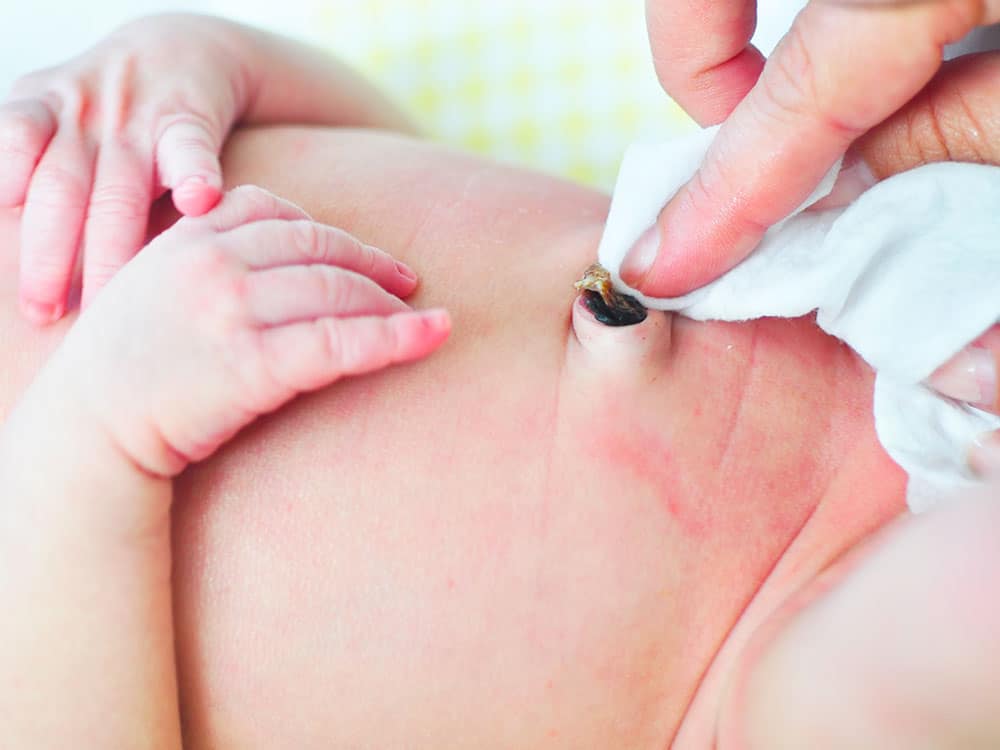
Taking care of a newborn’s umbilical stump is essential for preventing infection and promoting healing.
1. Keep It Dry
- Air drying is important for the stump to heal and fall off. Avoid covering it with tight diapers or clothing.
- Fold diapers down to avoid irritation or moisture exposure from urine.
2. Clean Gently
- Use plain water or a mild cleanser if needed. Avoid using alcohol swabs unless advised by your pediatrician, as research shows it may delay healing.
- Pat dry the area gently with a clean cloth or allow it to air dry.
3. Avoid Submerging in Water
- Give your baby sponge baths rather than tub baths until the stump falls off and the area is fully healed.
4. Do Not Pull or Force Removal
- Let the stump fall off naturally. This usually happens within 1 to 2 weeks after birth.
5. Monitor for Signs of Infection
- Redness, swelling, or warmth around the base of the stump.
- Foul-smelling discharge or pus.
- Fever or your baby seeming unwell.
If any of these symptoms appear, contact a healthcare professional.
Once the stump falls off, the belly button may still look a bit raw. Keep it clean and dry, and it should heal fully within a few days.

Hand, Foot, and Mouth Disease (HFMD) is a contagious viral infection common in young children. It typically causes fever, sores in the mouth, and a rash on the hands and feet. If your child has HFMD, here are some precautions parents should take:
1. Practice Good Hygiene:
- Handwashing: Wash hands frequently with soap and water, especially after changing diapers, using the bathroom, and before preparing food.
- Avoid Touching Face: Try to avoid touching your eyes, nose, and mouth without washing your hands first.
- Disinfect Surfaces: Regularly clean and disinfect frequently touched surfaces, such as toys, doorknobs, and countertops.
2. Isolation:
- Keep Your Child Home: If your child is diagnosed with HFMD, keep them home from school or daycare until they are fever-free and sores have healed, which typically takes about 7–10 days.
- Avoid Close Contact: Avoid kissing, hugging, and sharing utensils with the infected child to reduce the spread of the virus.
3. Monitor Symptoms:
- Fever and Pain Management: Use over-the-counter pain relievers like acetaminophen or ibuprofen to manage fever and discomfort.
- Hydration: Ensure your child stays hydrated. Offer plenty of fluids, but avoid acidic drinks that might irritate mouth sores.
4. Seek Medical Attention:
- Complications: If your child is unable to swallow, shows signs of dehydration (like reduced urination), or has a high fever, seek medical attention promptly.
- Follow-Up: Keep in touch with your pediatrician if symptoms worsen or don’t improve as expected.
5. Educate Others:
- Inform Caregivers: Let any other caregivers or family members know about the infection and the necessary precautions.
- Community Awareness: Notify your child’s school or daycare so they can take appropriate measures to prevent further spread.
By following these precautions, you can help reduce the spread of HFMD and ensure your child’s comfort during recovery.
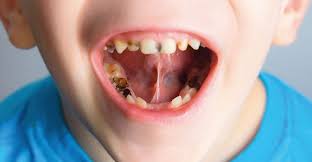
Dental caries, commonly known as tooth decay or cavities, is one of the most prevalent chronic diseases in children. It occurs when the hard surfaces of the teeth are damaged by acids produced by bacteria in the mouth. Here’s an overview of dental caries in children:
1. Causes of Dental Caries
- Bacteria: The primary bacteria involved in tooth decay is Streptococcus mutans. These bacteria feed on sugars and starches left on the teeth, producing acids that erode tooth enamel.
- Diet: Frequent consumption of sugary foods and drinks contributes significantly to the development of cavities. Sticky snacks like candy and dried fruit are particularly harmful.
- Poor Oral Hygiene: Inadequate brushing and flossing allow plaque—a sticky film of bacteria—to build up on teeth, leading to decay.
- Fluoride Deficiency: Fluoride strengthens tooth enamel, making it more resistant to acid attacks. Lack of fluoride, whether from water, toothpaste, or supplements, increases the risk of caries.
2. Signs and Symptoms
- White Spots: Early caries may appear as white spots on the tooth surface, indicating demineralization.
- Brown or Black Spots: As the decay progresses, the affected area may turn brown or black.
- Sensitivity: Children may experience sensitivity to hot, cold, or sweet foods and drinks.
- Toothache: As cavities deepen, they can cause pain, especially when chewing.
- Visible Holes or Pits: Advanced decay can create holes or pits in the teeth.
3. Risk Factors
- Age: Children are particularly susceptible to caries, especially those between ages 1 and 3.
- Bottle-Feeding: Prolonged bottle-feeding, especially with sugary liquids like juice or milk at bedtime, can lead to “baby bottle tooth decay.”
- Lack of Dental Care: Delayed or infrequent dental visits contribute to undetected and untreated cavities.
- Family History: A history of dental caries in parents or siblings increases the risk in children.
4. Prevention Strategies
- Good Oral Hygiene: Start brushing a child’s teeth as soon as they appear using a small amount of fluoride toothpaste. Floss once two teeth touch.
- Regular Dental Check-Ups: Children should visit a dentist by their first birthday and continue with regular check-ups every six months.
- Healthy Diet: Limit sugary snacks and drinks. Encourage water and a balanced diet rich in fruits, vegetables, and whole grains.
- Fluoride Use: Ensure that children get adequate fluoride, either through water, toothpaste, or supplements as recommended by a dentist.
- Dental Sealants: These protective coatings can be applied to the chewing surfaces of the back teeth to prevent decay.
5. Treatment Options
- Fluoride Treatments: In the early stages of decay, fluoride treatments can help remineralize the teeth and reverse the decay process.
- Fillings: Cavities that have progressed beyond the enamel will need to be filled with materials like composite resin, amalgam, or porcelain.
- Crowns: In cases of extensive decay, a crown may be necessary to restore the tooth’s function and appearance.
- Extractions: Severely decayed teeth that cannot be restored may need to be removed.
6. Long-Term Impact
- Oral Health: Untreated dental caries can lead to pain, infection, and problems with eating, speaking, and learning.
- General Health: Severe decay can spread infection to other parts of the body, leading to more serious health issues.
- Dental Anxiety: Painful dental experiences in childhood can lead to dental anxiety or phobia later in life.
By maintaining good oral hygiene, promoting healthy dietary habits, and ensuring regular dental visits, parents can help prevent dental caries in their children and set the foundation for a lifetime of good oral health.

Iron supplements can be an important consideration for infants, especially those who are at risk for iron deficiency. Here’s an overview of what you need to know about iron supplements for infants:
Importance of Iron for Infants
Iron is essential for infants because:
- Brain Development: Iron supports cognitive and psychomotor development.
- Blood Production: Iron is crucial for producing hemoglobin, which carries oxygen in the blood.
When are Iron Supplements Necessary?
- Premature Infants: Babies born before 37 weeks are often prescribed iron supplements because they have less time to build up iron stores in the womb.
- Low Birth Weight Infants: Infants with a low birth weight (<2500 grams or 5.5 pounds) may require additional iron.
- Infants with Iron Deficiency Anemia: If diagnosed, a healthcare provider will likely recommend iron supplements.
- Breastfed Infants: Full-term, exclusively breastfed babies might need iron supplementation starting around 4 months of age as breast milk alone may not provide enough iron.
Sources of Iron for Infants
- Breast Milk and Formula: Breast milk contains iron but in lower amounts. Infant formula is usually fortified with iron.
- Iron-Rich Foods: Introduce pureed meats, iron-fortified cereals, beans, and green leafy vegetables starting around 6 months.
- Iron Supplements: As prescribed by a pediatrician, typically available in liquid form for easy administration.
Potential Side Effects
- Stomach Upset: Nausea, vomiting, constipation, or diarrhea.
- Discoloration of Stool: Iron supplements can cause dark or greenish stools.
- Staining of Teeth: Liquid iron can stain teeth temporarily; giving it with a dropper and brushing teeth afterward can help.
Safety and Precautions
- Proper Dosage: Always follow the dosage prescribed by a healthcare provider.
- Avoid Overdose: Keep supplements out of reach of children to prevent accidental overdose.
- Monitoring: Regular follow-ups with a healthcare provider to monitor iron levels and adjust dosage as needed.
Tips for Administering Iron Supplements
- With Food or Juice: Giving iron with vitamin C-rich foods or juice can enhance absorption.
- Avoid Milk: Do not give iron with milk or dairy products, as calcium can interfere with iron absorption.
- Use a Dropper or Syringe: Measure the exact dosage to ensure the infant receives the correct amount.
When to Consult your pediatrician
- If your infant shows signs of iron deficiency (pale skin, fatigue, slow growth).
- If your infant has adverse reactions to iron supplements.
- For advice on proper nutrition and iron-rich diet for your infant.
Conclusion
Iron supplements can be crucial for the healthy growth and development of infants, particularly for those at risk of iron deficiency. It’s important to consult with a pediatrician to determine if supplements are necessary and to ensure they are given safely and effectively.

Introducing a weaning diet, also known as complementary feeding, is an important step in an infant’s development. Here’s a comprehensive guide on how to initiate a weaning diet in infants:
1. Timing
- Age: The ideal age to start introducing solid foods is around 6 months. However, some infants might show readiness slightly earlier, between 4-6 months. It’s essential to ensure your baby is ready before starting.
2. Signs of Readiness
- Head control: Your baby should be able to hold their head up and sit with minimal support.
- Interest in food: Shows curiosity about what you’re eating, reaching for food or opening their mouth when offered a spoon.
- Ability to chew: Even without teeth, your baby should be able to mash food with their gums.
3. First Foods
- Start with single-ingredient foods: This helps in identifying any potential allergies or intolerances. Good first foods include:
- Iron-fortified infant cereals (mixed with breast milk or formula)
- Pureed fruits (bananas, apples, mango, pears)
- Pureed vegetables (carrots, sweet potatoes, peas)
4. Introducing Solids
- Consistency: Start with very thin and smooth purees and gradually thicken them as your baby gets used to the textures.
- Small portions: Offer a few spoon fulls once or twice a day.
- Frequency: Begin with one meal per day and gradually increase to 2-3 meals as your baby becomes more comfortable with eating.
5. Allergenic Foods
- Introduce early: Contrary to previous beliefs, introducing allergenic foods early can actually help prevent allergies. Common allergenic foods include:
- Peanuts
- Eggs
- Dairy
- Wheat
- Soy
- Fish and shellfish
- Method: Introduce one allergenic food at a time, waiting 3-5 days before introducing another, to monitor any reactions.
6. Variety and Texture
- Progression: Move from purees to mashed foods and then to soft finger foods as your baby’s chewing and motor skills develop.
- Variety: Offer a variety of foods to expose your baby to different flavors and textures. This also ensures they get a wide range of nutrients.
7. Safety Tips
- Choking hazards: Avoid foods that pose a choking risk, such as whole grapes, nuts, popcorn, and hard candies.
- Supervision: Always supervise your baby while they are eating.
- Hygiene: Ensure utensils and food preparation areas are clean to prevent foodborne illnesses.
8. Responsive Feeding
- Cues: Pay attention to your baby’s hunger and fullness cues. Allow them to eat at their own pace and stop when they indicate they are full.
- Patience: Some foods might be rejected initially. It can take several attempts before a baby accepts a new food.
9. Drinks
- Breast milk or formula: Continue offering breast milk or formula as the primary source of nutrition until at least 12 months.
- Water: Small amounts of water can be introduced around 6 months, especially with meals.
- Avoid: Avoid giving juice, or sugary drinks to infants under 12 months.
10. Creating a Routine
- Consistent mealtimes: Establish a routine that includes regular mealtimes, which helps babies develop healthy eating habits.
- Family meals: Whenever possible, include your baby in family meals to encourage social interaction and mimicry of eating behaviors.
11. Consultation
- Pediatrician: Always consult with a pediatrician or a healthcare provider if you have any concerns about your baby’s diet or if you suspect food allergies.
Summary
Initiating a weaning diet is a gradual process that involves patience and attentiveness to your baby’s needs and responses. By providing a balanced variety of foods and textures, you help your baby develop healthy eating habits and nutritional preferences that will last a lifetime.
Recent Posts

October 15, 2026
October 12, 2026