Medical Info For Parents

IMG_0038-1.jpeg
17/Mar/2025

Ear piercing in children is a personal decision for parents, but there are several important factors to consider before going ahead. Here’s what you need to know:

1. Best Age for Ear Piercing

  • The American Academy of Pediatrics (AAP) states that ear piercing is safe at any age if done properly. However, they recommend waiting until the child is old enough to care for the piercings themselves (usually around 6–8 years old) to reduce the risk of infection.
  • Some parents choose to pierce their baby’s ears early (as young as a few months old) because infants tend to heal faster and are less likely to touch or pull on their earrings.

2. Choosing a Safe Piercing Method

  • Needle vs. Piercing Gun: Professional piercers often recommend a needle over a gun because it’s more sterile, precise, and causes less trauma to the ear. Piercing guns can create more tissue damage and are harder to sterilize.
  • Go to a Licensed Professional: Ensure the piercing is done by a trained professional in a clean and reputable setting. Many pediatricians also offer ear piercing.

3. Choosing the Right Earrings

  • Use hypoallergenic metals such as surgical steel, titanium, or 14K+ gold to reduce the risk of allergic reactions.
  • Avoid earrings with nickel, as it can cause irritation.
  • Opt for small, flat-back earrings to prevent snagging.

4. Caring for Newly Pierced Ears

  • Clean twice a day with saline solution or antiseptic recommended by the piercer. Avoid using alcohol or hydrogen peroxide, as they can dry out and irritate the skin.
  • Do not remove earrings for at least 6–8 weeks (for lobe piercings) to prevent the holes from closing.
  • Rotate the earrings gently while cleaning to prevent them from sticking to the skin.
  • Watch for signs of infection (redness, swelling, pus, or pain) and consult a doctor if necessary.

5. Risks & Potential Complications

  • Infections can occur if proper hygiene is not maintained.
  • Keloids or scars can develop, especially in children with darker skin tones who are more prone to them.
  • Allergic reactions can occur if non-hypoallergenic metals are used.
  • Earring loss or choking hazard—for babies and toddlers, ensure earrings are secure to avoid accidental swallowing.

6. When to Seek Medical Attention

  • If the ear becomes excessively swollen, painful, or has discharge.
  • If the child develops a fever.
  • If the earring becomes embedded in the ear.

Final Thoughts

Ear piercing can be a safe and enjoyable experience for children with proper care. Parents should weigh the pros and cons, ensure a sterile procedure, and follow aftercare instructions carefully to prevent complications.

IMG_0035.jpeg
25/Feb/2025

Teeth grinding, or bruxism, is common in children, especially during sleep. Here’s what parents should know:

Causes of Teeth Grinding in Children

  1. Teething & Misaligned Teeth – Young children may grind due to discomfort from new or misaligned teeth.
  2. Stress & Anxiety – Emotional stress, changes in routine, or anxiety can trigger bruxism.
  3. Sleep Disorders – Conditions like sleep apnea may contribute to teeth grinding.
  4. Hyperactivity & Medical Conditions – ADHD and some neurological conditions may increase the risk.
  5. Response to Pain – Ear infections or other discomforts may lead to grinding as a coping mechanism.

Signs & Symptoms

  • Grinding noises during sleep
  • Worn-down or sensitive teeth
  • Jaw pain or headaches
  • Disrupted sleep patterns
  • Complaints of sore jaw upon waking

Possible Complications

  • Tooth damage or enamel erosion
  • Increased tooth sensitivity
  • Jaw disorders (e.g., TMJ issues)
  • Poor sleep quality

What Parents Can Do

  • Monitor Stress Levels – Help manage anxiety with relaxation techniques.
  • Maintain a Bedtime Routine – Establish a calm pre-sleep routine to improve sleep quality.
  • Ensure Proper Dental Care – Regular dental visits can help detect and manage bruxism early.
  • Check for Underlying Conditions – If sleep disorders or other health issues are suspected, consult a doctor.
  • Use Mouthguards (If Necessary) – For severe cases, dentists may recommend a nightguard to protect teeth.

Most children outgrow teeth grinding, but if it persists or causes problems, consult your paediatrician.


IMG_0029.jpeg
20/Jan/2025

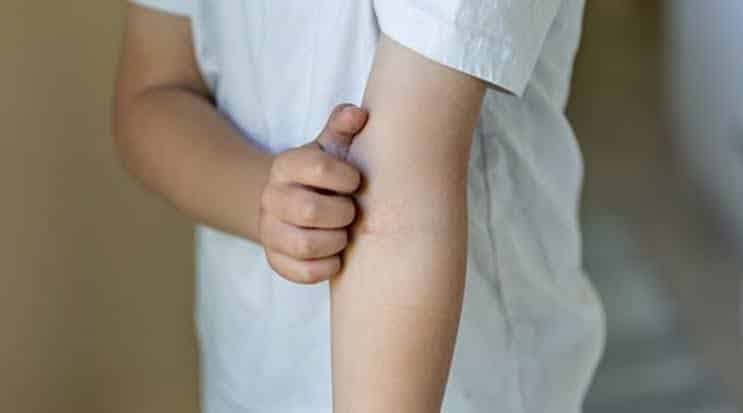
Dry skin in children is common and can result from various factors, including environmental conditions, genetics, and certain health conditions. Here’s what parents should know:

Causes of Dry Skin in Children:

  1. Weather: Cold, dry air in winter can strip moisture from the skin.
  2. Frequent Bathing: Overbathing, especially with hot water or harsh soaps, can lead to dryness.
  3. Genetics: Children with a family history of eczema or other skin conditions may be more prone to dry skin.
  4. Dehydration: Not drinking enough water can contribute to dry skin.
  5. Skin Conditions: Conditions like eczema or psoriasis can cause dry, flaky skin.

Symptoms:

  • Rough, scaly, or flaky skin.
  • Itching or discomfort.
  • Red or irritated patches.
  • Cracks or peeling, especially on hands, feet, or lips.

Prevention and Care Tips:

  1. Moisturize Regularly: Apply a thick, fragrance-free moisturizer immediately after bathing and several times a day as needed.
  2. Limit Bath Time: Keep baths or showers short and use lukewarm water. Avoid hot water, which can dry out the skin.
  3. Use Gentle Cleansers: Opt for mild, fragrance-free soaps or cleansers specifically designed for children’s sensitive skin.
  4. Humidify the Air: Using a humidifier in the child’s room can help maintain moisture levels in the air, especially in winter.
  5. Dress Appropriately: Dress children in soft, breathable fabrics like cotton. Avoid wool or synthetic materials that may irritate the skin.
  6. Hydration: Ensure the child drinks plenty of water to keep the skin hydrated from the inside.
  7. Sun Protection: Use a broad-spectrum sunscreen to protect the skin from drying and damaging UV rays.

When to See your paediatrician:

  • If the dry skin is persistent, severe, or accompanied by symptoms like redness, swelling, or oozing.
  • If the child develops signs of infection (e.g., redness, warmth, or pus).
  • If you suspect eczema or another skin condition that may require specific treatment.

Proper skincare and preventive measures can help manage and reduce the occurrence of dry skin in children.


IMG_0015.jpeg
23/Dec/2024

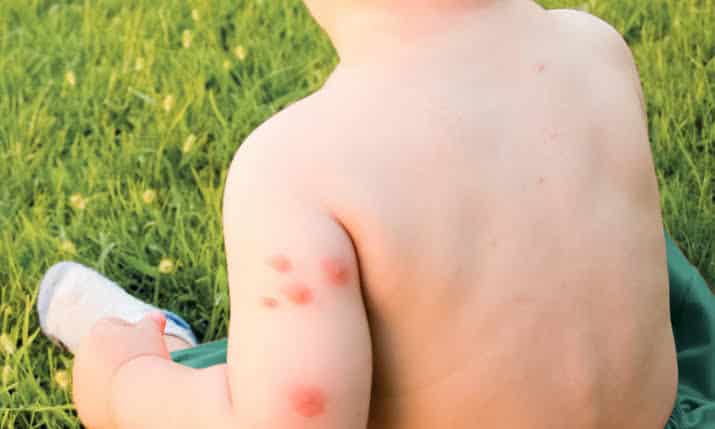
Mosquito bite allergy, also known as Skeeter syndrome, is an allergic reaction to proteins in a mosquito’s saliva. While most mosquito bites cause mild redness and itching, children with mosquito bite allergies may experience more severe symptoms. Here’s what parents should know:

Signs and Symptoms of Mosquito Bite Allergy

  1. Localized Reactions:
    • Large, swollen, red welts around the bite.
    • Pain, warmth, or itchiness at the site.
  2. Systemic Reactions (less common but more severe):
    • Fever.
    • Swollen lymph nodes.
    • Fatigue or a general feeling of being unwell.
  3. Infection Risk:
    • If a bite is scratched excessively, it can become infected, leading to redness, pus, or increased pain.

What Parents Should Do

  1. Immediate Care for a Mosquito Bite:
    • Wash the bite area with soap and water.
    • Apply a cold compress to reduce swelling.
  2. When to Seek Medical Attention:
    • Severe swelling that spreads beyond the bite site.
    • Signs of infection (e.g., pus, fever, increased redness).
    • Systemic reactions like breathing difficulties, which may indicate anaphylaxis (a rare but serious condition).
  3. Prevention Tips:
    • Use mosquito repellents: Look for products with DEET, picaridin, or lemon eucalyptus oil, approved for children.
    • Dress appropriately: Long-sleeved shirts and pants can protect the skin.
    • Install protective measures: Use mosquito nets and keep windows screened.
    • Avoid peak mosquito times: Mosquitoes are most active at dawn and dusk.
  4. Long-term Management:
    • If your child has frequent severe reactions, consult a pediatric allergist.
    • Allergy testing can help confirm the diagnosis and guide treatment.
  5. Avoid Scratching:
    • Encourage your child not to scratch bites to prevent secondary infections.
    • Keep their nails trimmed to minimize damage.

With proper care and preventive measures, the discomfort and risks associated with mosquito bite allergies can be effectively managed.


IMG_0014.jpeg
12/Dec/2024

Dry skin in children is a common concern, especially during colder months or in areas with low humidity. It can cause discomfort, itching, and irritation. Here’s what parents need to know:

Causes of Dry Skin in Children

  1. Weather Conditions: Cold, dry air in winter or excessive heat can strip moisture from the skin.
  2. Frequent Bathing: Over-bathing or using hot water can remove natural oils from the skin.
  3. Harsh Soaps: Soaps or cleansers with strong fragrances and chemicals can dry out the skin.
  4. Environmental Factors: Low indoor humidity due to heaters or air conditioning.
  5. Underlying Conditions: Eczema, psoriasis, or allergies can lead to chronic dryness.

Signs of Dry Skin

  • Flaky or scaly patches, especially on arms, legs, and cheeks.
  • Itchiness or discomfort.
  • Redness or cracking in severe cases.

Prevention and Care Tips

  1. Limit Bath Time: Keep baths short (5–10 minutes) and use lukewarm water.
  2. Use Gentle Cleansers: Opt for mild, fragrance-free soaps designed for sensitive skin.
  3. Moisturize Regularly:
    • Apply moisturizer immediately after bathing to lock in moisture.
    • Choose products with ingredients like ceramides, glycerin, or hyaluronic acid.
  4. Avoid Irritants:
    • Use unscented laundry detergents.
    • Dress children in soft, breathable fabrics like cotton.
  5. Maintain Indoor Humidity:
    • Use a humidifier during dry seasons.
    • Keep the home temperature moderate to prevent skin dehydration.
  6. Hydration: Ensure your child drinks enough water daily.
  7. Sun Protection: Use sunscreen even in winter to protect the skin from UV damage.

When to See a Doctor

  • Persistent dry patches that don’t improve with home care.
  • Signs of infection, like redness, swelling, or oozing.
  • Severe itching or discomfort.
  • Suspected eczema or other underlying conditions.

By taking preventive steps and using gentle products, most cases of dry skin can be effectively managed at home. If symptoms persist, consult a pediatrician


IMG_0005.jpeg
01/Nov/2024

Excess oil usage in newborns can lead to several issues:

  1. Skin Irritation: Newborn skin is delicate and can be easily irritated. Excessive oil can clog pores and lead to rashes or acne.
  2. Allergic Reactions: Some oils may cause allergic reactions, leading to redness, swelling, or discomfort.
  3. Impaired Skin Barrier: Overuse of oil can disrupt the natural moisture balance and skin barrier function, making the skin more vulnerable to infections.
  4. Heat Rash: Oils can trap heat, potentially causing heat rash or increased discomfort in warm environments.
  5. Dirt and Bacteria Build-Up: Excess oil can attract dirt and bacteria, increasing the risk of infections.

For newborns, it’s usually best to use minimal products and consult a pediatrician before applying any oils.


IMG_0370.jpeg
26/Oct/2024

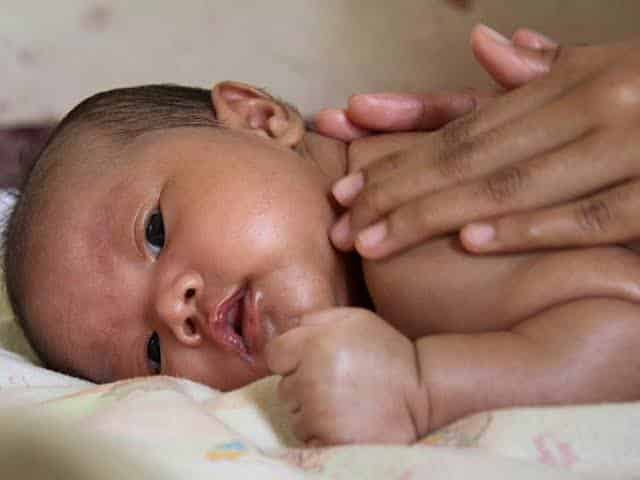
  • Massage can be incredibly beneficial for newborn babies, promoting relaxation, bonding, and overall well-being. Here’s what parents should know:

*Benefits of Massage for Newborns:*

1. *Relaxation and stress relief*: Massage helps regulate the baby’s nervous system, reducing stress and promoting relaxation.

2. *Improved sleep*: Regular massage can help establish a healthy sleep routine and improve sleep quality.

3. *Bonding and attachment*: Massage enhances the emotional connection between parent and baby.

4. *Pain relief*: Massage can help alleviate discomfort from gas, colic, or teething.

5. *Increased circulation*: Massage stimulates blood flow, promoting healthy growth and development.

6. *Enhanced sensory awareness*: Massage helps babies develop awareness of their body and surroundings.

7. *Supports digestive health*: Massage can aid digestion and relieve constipation.


*Tips for Massaging Your Newborn:*

1. *Choose a quiet, warm space*: Ensure the room is free from distractions and comfortable for your baby.

2. *Use gentle, oil-based lubricants*: Opt for baby-friendly oils or lotions to reduce friction.

3. *Start with gentle strokes*: Begin with light, soft touches, gradually increasing pressure as needed.

4. *Watch for cues*: Pay attention to your baby’s body language; if they seem uncomfortable or fussy, stop.

5. *Massage in small sections*: Focus on one area at a time, such as the head, arms, or legs.

6. *Be mindful of sensitive areas*: Avoid massaging the spine, joints, or sensitive areas like the eyes or mouth.

7. *Keep sessions short*: Begin with 5-10 minute sessions, gradually increasing duration as your baby becomes accustomed.


*Best Massage Techniques for Newborns:*

1. *Head and Face Massage*:

– Gently stroke from forehead to chin.

– Massage temples and ears.

2. *Arm and Hand Massage*:

– Hold the arm and gently stroke from shoulder to wrist.

– Massage each finger individually.

3. *Leg and Foot Massage*:

– Hold the leg and stroke from thigh to ankle.

– Massage each toe individually.

4. *Back and Chest Massage*:

– Gently stroke from shoulders to lower back.

– Use gentle, circular motions on the chest.


*Precautions and Contraindications:*

1. *Premature or fragile babies*: Consult your pediatrician before starting massage.

2. *Infectious illnesses*: Avoid massage if your baby has a fever or contagious illness.

3. *Open wounds or injuries*: Avoid massaging areas with open wounds or injuries.

4. *Congenital conditions*: Consult your pediatrician if your baby has a congenital problems.

By incorporating massage into your newborn’s routine, you can foster a deeper connection, promote relaxation, and support overall well-being.


umbilical-carenarrow.jpg
09/Sep/2024

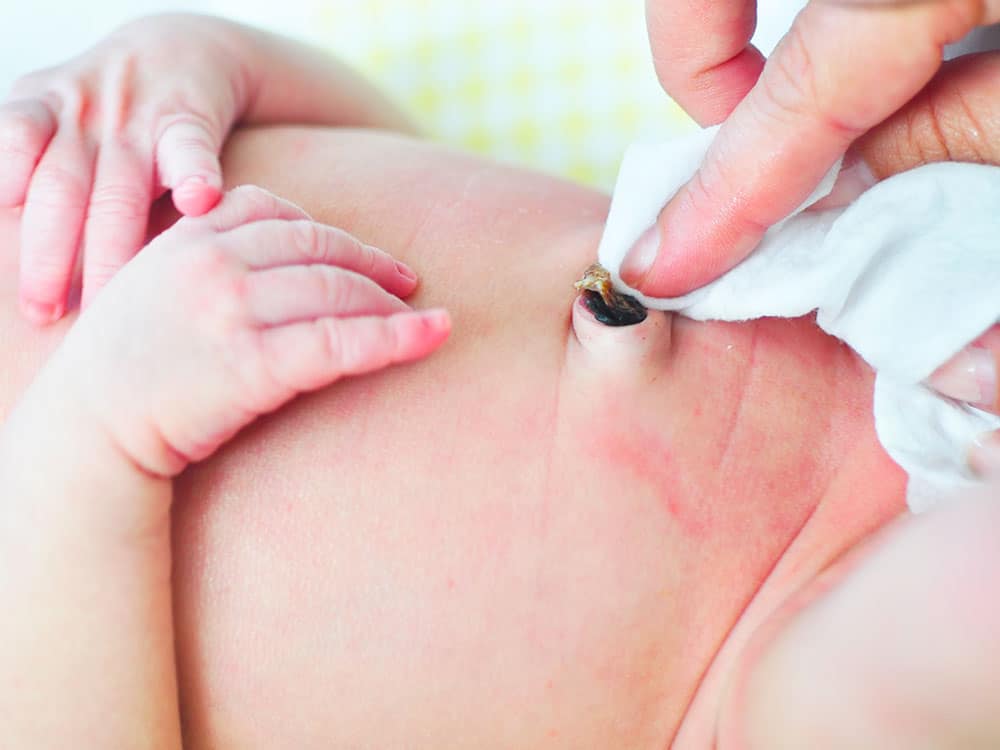
Taking care of a newborn’s umbilical stump is essential for preventing infection and promoting healing.

1. Keep It Dry

  • Air drying is important for the stump to heal and fall off. Avoid covering it with tight diapers or clothing.
  • Fold diapers down to avoid irritation or moisture exposure from urine.

2. Clean Gently

  • Use plain water or a mild cleanser if needed. Avoid using alcohol swabs unless advised by your pediatrician, as research shows it may delay healing.
  • Pat dry the area gently with a clean cloth or allow it to air dry.

3. Avoid Submerging in Water

  • Give your baby sponge baths rather than tub baths until the stump falls off and the area is fully healed.

4. Do Not Pull or Force Removal

  • Let the stump fall off naturally. This usually happens within 1 to 2 weeks after birth.

5. Monitor for Signs of Infection

  • Redness, swelling, or warmth around the base of the stump.
  • Foul-smelling discharge or pus.
  • Fever or your baby seeming unwell.

If any of these symptoms appear, contact a healthcare professional.

Once the stump falls off, the belly button may still look a bit raw. Keep it clean and dry, and it should heal fully within a few days.


Hand-foot-and-mouth-disease-body1-1.webp
28/Aug/2024

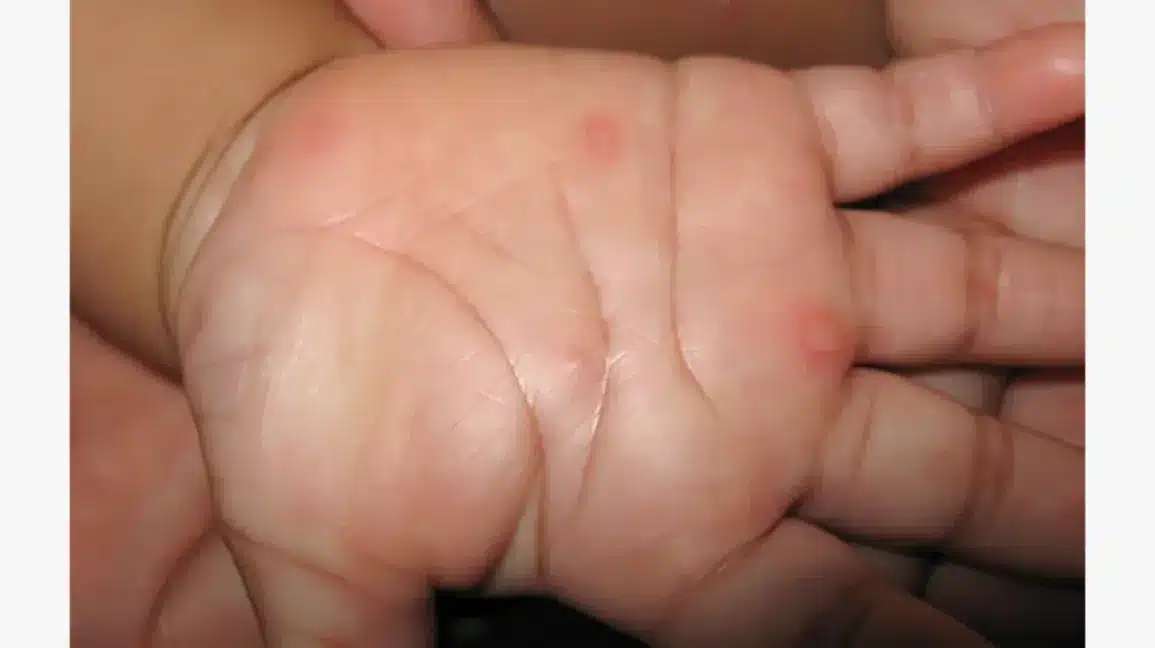
Hand, Foot, and Mouth Disease (HFMD) is a contagious viral infection common in young children. It typically causes fever, sores in the mouth, and a rash on the hands and feet. If your child has HFMD, here are some precautions parents should take:

1. Practice Good Hygiene:

  • Handwashing: Wash hands frequently with soap and water, especially after changing diapers, using the bathroom, and before preparing food.
  • Avoid Touching Face: Try to avoid touching your eyes, nose, and mouth without washing your hands first.
  • Disinfect Surfaces: Regularly clean and disinfect frequently touched surfaces, such as toys, doorknobs, and countertops.

2. Isolation:

  • Keep Your Child Home: If your child is diagnosed with HFMD, keep them home from school or daycare until they are fever-free and sores have healed, which typically takes about 7–10 days.
  • Avoid Close Contact: Avoid kissing, hugging, and sharing utensils with the infected child to reduce the spread of the virus.

3. Monitor Symptoms:

  • Fever and Pain Management: Use over-the-counter pain relievers like acetaminophen or ibuprofen to manage fever and discomfort.
  • Hydration: Ensure your child stays hydrated. Offer plenty of fluids, but avoid acidic drinks that might irritate mouth sores.

4. Seek Medical Attention:

  • Complications: If your child is unable to swallow, shows signs of dehydration (like reduced urination), or has a high fever, seek medical attention promptly.
  • Follow-Up: Keep in touch with your pediatrician if symptoms worsen or don’t improve as expected.

5. Educate Others:

  • Inform Caregivers: Let any other caregivers or family members know about the infection and the necessary precautions.
  • Community Awareness: Notify your child’s school or daycare so they can take appropriate measures to prevent further spread.

By following these precautions, you can help reduce the spread of HFMD and ensure your child’s comfort during recovery.


IMG_0472.jpeg
17/Jun/2024

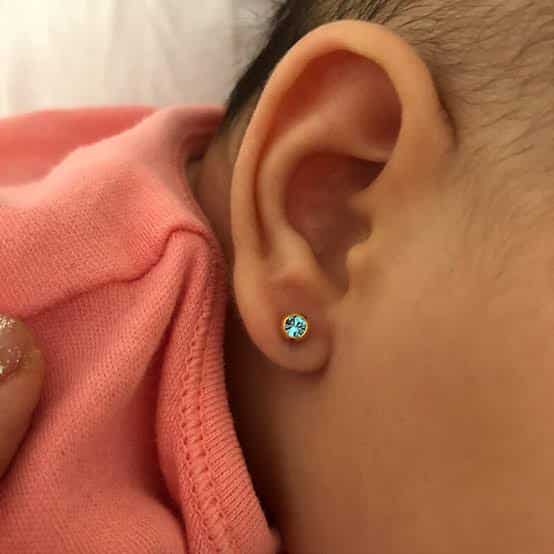
Ear piercing in children is generally considered safe when done under appropriate conditions and with proper care afterward. Here are some key points to consider:

  1. Age and Readiness: Ensure the child is old enough to understand the process and can communicate any discomfort or problems. Many professionals recommend waiting until the child is at least a few months old to reduce the risk of infection.
  2. Sterile Environment: It’s crucial to have the piercing done in a sterile environment by a trained professional using sterile equipment. This reduces the risk of infection.
  3. Aftercare: Aftercare is essential to prevent infection and promote healing. This usually involves cleaning the pierced area with a saline solution and avoiding touching the earrings with dirty hands.
  4. Choosing Earrings: Opt for hypoallergenic earrings to minimize the risk of allergic reactions, which can be common in children with sensitive skin.
  5. Potential Risks: Risks include infection, allergic reactions to metals, and in rare cases, trauma to the earlobe. Monitoring the pierced area for signs of infection (redness, swelling, discharge) is important.
  6. Parental Consent: Always ensure there is informed consent from the parent or legal guardian before proceeding with ear piercing in a child.
  7. Healing Time: Healing times vary but typically range from a few weeks to a few months. During this time, it’s important to avoid changing earrings too frequently to allow the piercing to heal properly.
  8. Consultation: If you have concerns about your child’s specific medical conditions or if they are prone to allergies, it’s advisable to consult a pediatrician before getting their ears pierced.

By following these guidelines, you can help ensure that ear piercing for children is a safe and positive experience.


Dr. Vibin KV

Dr. Vibin KV is best pediatrician in south Delhi, near safdarjung enclave. He has over 14 years experience in managing sick children from newborn to 18 years of age.
Conditions treated and services provided at the clinic include:
1) Respiratory illnesses with cough or noisy breathing- bronchiolitis, bronchitis, pneumonia, wheezing, asthma, foreign body, Inhaler therapy etc.
2) Vaccinations in all age groups.
3) New Born baby care.
4) Diarrhea, dysentery, dehydration.
5) Liver and Kidney Failure.
6) Brain infection including meningitis, encephalitis etc.
7) Urinary problems like Urinary tract infection, poor urine stream, painful urine, tight skin of the penis (phimosis) or paraphimosis, redness or pus at penis area.
8) Nephrotic syndrome and other Kidney related problems.
9) Jaundice, Hepatitis.
10) Poor growth, short stature, overweight, obesity.
11) Childhood diabetes and other endocrine problems in children.
12) Colic in infants.
13) Constipation in infants and older children.
14) Skin conditions like allergies, eczema, dermatitis, herpes, Rashes, dry skin, Dandruff, white patch over face, hair fall, dry scalp, diaper rash, nail problems etc.
15) Hernia or hydrocele- swelling in umbilical, swelling in testis, swelling in inguinal region.
16) Fever and Infections (bacterial, viral, fungal etc)
17) Seizures - Epilepsy, Febrile seizures.
18) worm infestations
19) Fall from height, head injury, Trauma, fractures (bone injury) etc.
20) PICC line and central line insertions.
21) Day care and Inpatient care facilities.
22) Adolescent care - emotional, psychological health.
23) Autism, ADHD, hyperactivity, learning disabilities, Developmental delay.
24) Short surgical procedures needing IV sedation.

Copyright by Dr. VibinKV 2023. All rights reserved.