Ear piercing in children
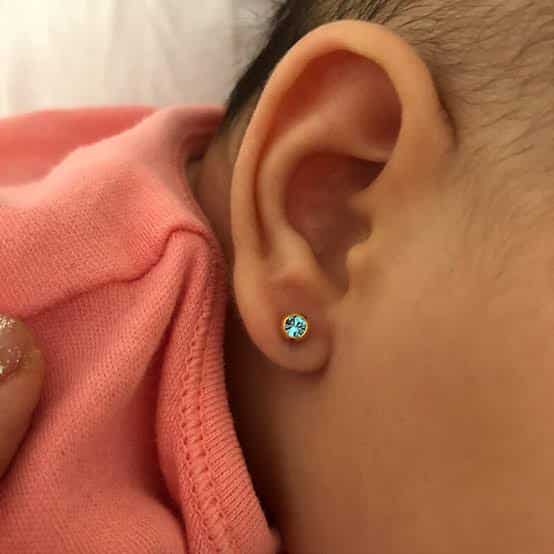
Ear piercing in children is generally considered safe when done under appropriate conditions and with proper care afterward. Here are some key points to consider:
- Age and Readiness: Ensure the child is old enough to understand the process and can communicate any discomfort or problems. Many professionals recommend waiting until the child is at least a few months old to reduce the risk of infection.
- Sterile Environment: It’s crucial to have the piercing done in a sterile environment by a trained professional using sterile equipment. This reduces the risk of infection.
- Aftercare: Aftercare is essential to prevent infection and promote healing. This usually involves cleaning the pierced area with a saline solution and avoiding touching the earrings with dirty hands.
- Choosing Earrings: Opt for hypoallergenic earrings to minimize the risk of allergic reactions, which can be common in children with sensitive skin.
- Potential Risks: Risks include infection, allergic reactions to metals, and in rare cases, trauma to the earlobe. Monitoring the pierced area for signs of infection (redness, swelling, discharge) is important.
- Parental Consent: Always ensure there is informed consent from the parent or legal guardian before proceeding with ear piercing in a child.
- Healing Time: Healing times vary but typically range from a few weeks to a few months. During this time, it’s important to avoid changing earrings too frequently to allow the piercing to heal properly.
- Consultation: If you have concerns about your child’s specific medical conditions or if they are prone to allergies, it’s advisable to consult a pediatrician before getting their ears pierced.
By following these guidelines, you can help ensure that ear piercing for children is a safe and positive experience.