UMBILICAL STUMP CARE IN A NEWBORN

September 9, 2024 by Dr. Vibin KV0
umbilical-carenarrow.jpg

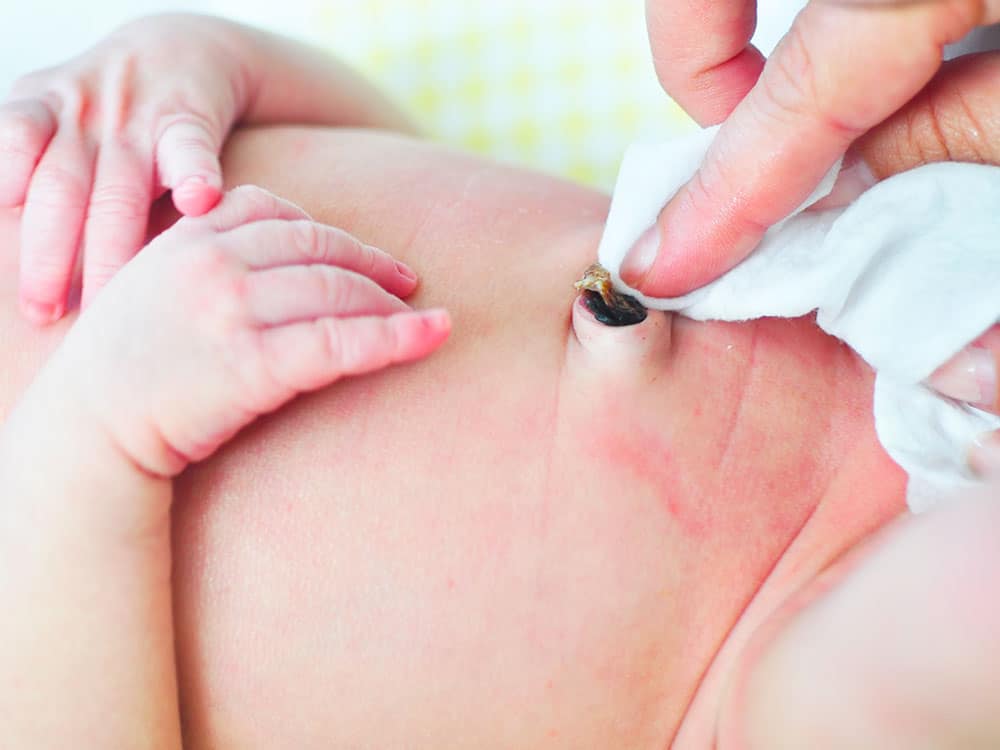
Taking care of a newborn’s umbilical stump is essential for preventing infection and promoting healing.

1. Keep It Dry

  • Air drying is important for the stump to heal and fall off. Avoid covering it with tight diapers or clothing.
  • Fold diapers down to avoid irritation or moisture exposure from urine.

2. Clean Gently

  • Use plain water or a mild cleanser if needed. Avoid using alcohol swabs unless advised by your pediatrician, as research shows it may delay healing.
  • Pat dry the area gently with a clean cloth or allow it to air dry.

3. Avoid Submerging in Water

  • Give your baby sponge baths rather than tub baths until the stump falls off and the area is fully healed.

4. Do Not Pull or Force Removal

  • Let the stump fall off naturally. This usually happens within 1 to 2 weeks after birth.

5. Monitor for Signs of Infection

  • Redness, swelling, or warmth around the base of the stump.
  • Foul-smelling discharge or pus.
  • Fever or your baby seeming unwell.

If any of these symptoms appear, contact a healthcare professional.

Once the stump falls off, the belly button may still look a bit raw. Keep it clean and dry, and it should heal fully within a few days.

Leave a Reply

Your email address will not be published. Required fields are marked *


Dr. Vibin KV

Dr. Vibin KV is best pediatrician in south Delhi, near safdarjung enclave. He has over 14 years experience in managing sick children from newborn to 18 years of age.
Conditions treated and services provided at the clinic include:
1) Respiratory illnesses with cough or noisy breathing- bronchiolitis, bronchitis, pneumonia, wheezing, asthma, foreign body, Inhaler therapy etc.
2) Vaccinations in all age groups.
3) New Born baby care.
4) Diarrhea, dysentery, dehydration.
5) Liver and Kidney Failure.
6) Brain infection including meningitis, encephalitis etc.
7) Urinary problems like Urinary tract infection, poor urine stream, painful urine, tight skin of the penis (phimosis) or paraphimosis, redness or pus at penis area.
8) Nephrotic syndrome and other Kidney related problems.
9) Jaundice, Hepatitis.
10) Poor growth, short stature, overweight, obesity.
11) Childhood diabetes and other endocrine problems in children.
12) Colic in infants.
13) Constipation in infants and older children.
14) Skin conditions like allergies, eczema, dermatitis, herpes, Rashes, dry skin, Dandruff, white patch over face, hair fall, dry scalp, diaper rash, nail problems etc.
15) Hernia or hydrocele- swelling in umbilical, swelling in testis, swelling in inguinal region.
16) Fever and Infections (bacterial, viral, fungal etc)
17) Seizures - Epilepsy, Febrile seizures.
18) worm infestations
19) Fall from height, head injury, Trauma, fractures (bone injury) etc.
20) PICC line and central line insertions.
21) Day care and Inpatient care facilities.
22) Adolescent care - emotional, psychological health.
23) Autism, ADHD, hyperactivity, learning disabilities, Developmental delay.
24) Short surgical procedures needing IV sedation.

Copyright by Dr. VibinKV 2023. All rights reserved.