

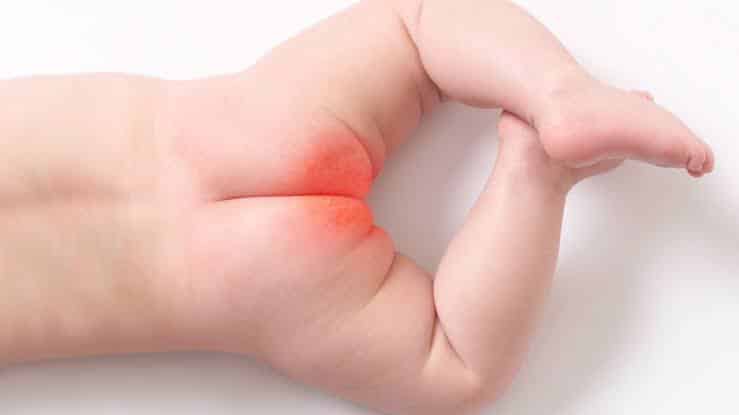
To take care of diaper rash in infants, you can follow these steps:
Keep the diaper area clean by gently washing with warm water during diaper changes. Avoid using wipes that contain alcohol or fragrance, as they can further irritate the skin.
Pat the diaper area dry instead of rubbing to minimize irritation.
Apply a thick barrier cream or ointment to protect the skin from moisture and friction. Look for products containing zinc oxide or petroleum jelly.
Change diapers frequently, ideally every 2-3 hours or as soon as they are wet or soiled, to reduce prolonged exposure to wetness.
Allow some diaper-free time each day to let the skin air out and promote healing.
Use diapers that are breathable and absorbent to minimize moisture buildup.
Avoid tight-fitting diapers or clothing that can rub against the skin and worsen irritation.
If using cloth diapers, ensure they are thoroughly rinsed and laundered with a mild detergent to prevent irritation from detergent residue.
Be cautious with introducing new products such as wipes, detergents, or creams, as some infants may be sensitive to certain ingredients.
If the rash persists or worsens despite home care measures, consult a pediatrician for further evaluation and treatment recommendations.

Perianal itching in children can have various causes, including:
- Hygiene: Ensure your child practices good hygiene, especially after using the toilet. Teach them to wipe from front to back to prevent the spread of bacteria from the anus to the genital area.
- Diet: Some foods can contribute to anal itching. Make sure your child has a balanced diet with plenty of fiber to avoid constipation, which can exacerbate itching.
- Pinworms: Pinworms are a common cause of perianal itching in children. They are tiny worms that can be treated easily with medications.
- Allergies: Allergic reactions to certain soaps, detergents, or even toilet paper can lead to itching. Consider switching to hypoallergenic (less allergenic) products.
- Skin Conditions: Conditions like eczema or psoriasis can affect the perianal area and cause itching. Consult your pediatrician for proper diagnosis and treatment.
- Yeast Infections: Yeast infections can occur in the perianal area. Your pediatrician can recommend antifungal treatments if this is the cause.
- Bacterial Infections: Bacterial infections can also lead to itching. Antibiotic creams may be necessary if this is the case.
- Irritants: Excessive moisture or friction from diapers or tight clothing can irritate the skin. Ensure your child’s bottom is clean and dry.
- Consult your pediatrician: If the itching persists or worsens despite home care.
It’s essential to involve your pediatrician to determine the underlying cause and appropriate treatment for perianal itching in children.
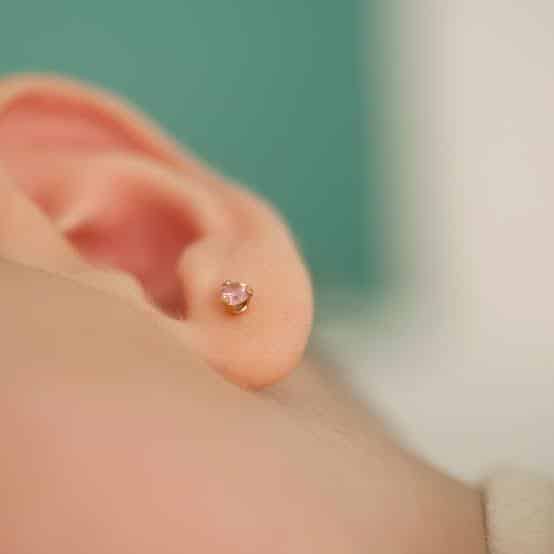
Ear piercing in children is a common practice in many cultures. If you are considering getting your child’s ears pierced, there are a few things you should keep in mind:
1. Age: The age varies, but generally, children after 6 months of age are considered better candidates for ear piercing. In some regions, it’s considered at a much younger age. However, it’s safer to get ear piercing done at least after the 1st dose of the DPT vaccine (which is after 6 weeks of life).
2. Safety: Safety should be a top priority. Ensure that the piercing is done by a trained professional in a hygienic environment. They should use sterile equipment and follow proper aftercare procedures to minimize the risk of infection.
3. Aftercare: After the piercing, proper care is crucial to avoid infections and complications. Follow the aftercare instructions provided by the professional, such as cleaning the piercings regularly with a saline solution or prescribed antiseptic.
4. Healing time: It’s important to understand that ear piercings take time to heal, especially in children(usually 3 to 4 weeks). Be prepared for potential discomfort or sensitivity during the healing process, which can take several weeks to a few months.
5. Considerations: Take into account your child’s individual preferences and willingness to have their ears pierced. It’s important to have a discussion with them and ensure they are on board with the decision.
Remember, every child is different, so it’s important to evaluate what is best for your specific situation. If you’re unsure, you can consult with a pediatrician or a professional piercer for personalized advice before proceeding.
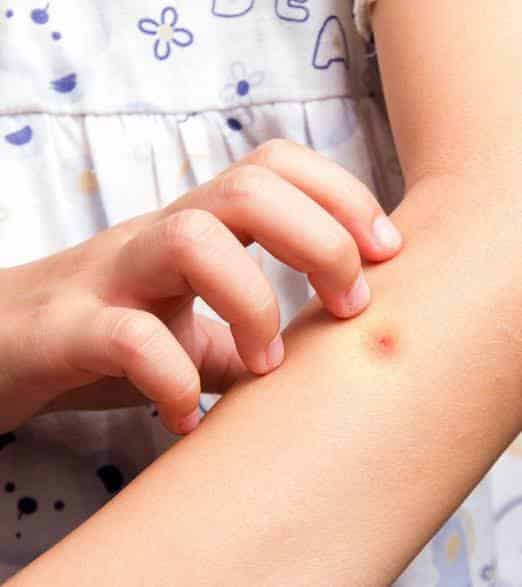
Mosquito bites are a common occurrence in children, especially during warmer months or in areas where mosquitoes are prevalent. While most mosquito bites are harmless and only result in temporary discomfort, they can occasionally lead to more serious complications. Here are some key points to keep in mind regarding mosquito bites in children:
- Symptoms: Mosquito bites typically cause redness, swelling, and itchiness at the site of the bite. Some children may also experience a small, raised bump. The itching can be quite intense, leading to scratching, which can increase the risk of infection.
- Prevention: It’s important to take steps to prevent mosquito bites in children. Use mosquito nets or screens on windows and doors, dress your child in long sleeves and pants, especially during peak mosquito activity times (dusk and dawn), and apply insect repellent that is specifically formulated for use on children. Avoid using repellents containing DEET on infants younger than two months old.
- Treatment: For mild mosquito bite symptoms, you can provide relief by washing the affected area with mild soap and water, applying a cold compress, and using over-the-counter anti-itch creams or lotions. Avoid excessive scratching to prevent further irritation or infection.
- Infection: Although uncommon, mosquito bites can become infected if the child scratches the bite excessively or breaks the skin. Signs of infection include increasing redness, swelling, pain, warmth, or pus formation. If you suspect an infection, consult a healthcare professional for appropriate treatment.
- Allergic Reactions: Some children may have an allergic reaction to mosquito bites, resulting in more pronounced symptoms such as hives, severe swelling, or difficulty breathing. In such cases, seek immediate medical attention.
- Mosquito-borne Diseases: While mosquito bites themselves are generally harmless, mosquitoes can transmit certain diseases like malaria, dengue fever, chikungunya etc. These diseases are more prevalent in specific regions, so it’s important to be aware of any local health advisories and take appropriate precautions when traveling to high-risk areas.
If you have concerns about mosquito bites or notice any unusual symptoms or reactions in your child, it’s always best to consult your pediatrician for proper evaluation and guidance.
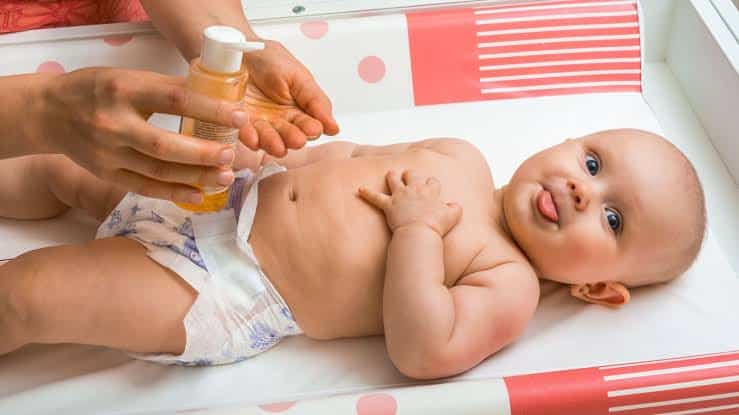
When selecting an oil for your newborn, it’s essential to choose one that is safe and suitable for their delicate skin. Here are a few considerations:
- Avoid oil till your baby is 1 month old atleast.
- Use oils specifically formulated for babies: Look for baby oils that are hypoallergenic, free from harsh chemicals, and designed for newborns.
- Opt for natural, plant-based oils: Examples include coconut oil, olive oil, almond oil, or jojoba oil. Avoid using oils with strong fragrances or additives that may irritate the baby’s skin.
- Patch test: Before applying any oil to your baby’s skin, do a patch test on a small area to ensure there are no adverse reactions or allergies.
- Avoid the face, eyes, and genital area: It’s generally recommended to avoid oil application on the face, particularly near the eyes, and genital area.
- Vigorous massage with oil can lead to irritation rash over the skin.
- Too much oil application over the scalp and face can lead to rashes that might warrant baby to be kept off oil exposure for a while.
It’s always a good idea to consult your pediatrician before starting any new skincare routine or using oils on your newborn baby.
Recent Posts

September 25, 2026
August 24, 2026