Medical Info For Parents

IMG_0457.jpeg
13/Apr/2024

Parents can take several precautions to help prevent loose stools or manage them effectively:

  1. Good hygiene practices: Encourage frequent handwashing with soap and water, especially before meals and after using the bathroom, to prevent the spread of infections.
  2. Proper food handling: Ensure that food is prepared and stored safely to prevent contamination. Cook meats thoroughly, wash fruits and vegetables, and avoid giving children unpasteurized dairy products.
  3. Hydration: Make sure your child drinks plenty of fluids, such as water or ORS, to prevent dehydration, especially during episodes of loose stools.
  4. Healthy diet: Provide a balanced diet rich in fruits, vegetables, whole grains, and lean proteins to support overall gut health.
  5. Avoiding triggers: Identify and avoid foods or drinks that may trigger loose stools in your child, such as excessive sugary snacks or drinks, spicy foods, or certain allergens.
  6. Regular medical check-ups: Schedule regular visits with your child’s pediatrician for routine check-ups and vaccinations to prevent infections that can lead to loose stools.
  7. Prompt medical attention: Consult your pediatrician immediately, if your child experiences persistent or severe loose stools, signs of dehydration, or other concerning symptoms such as fever or abdominal pain.

By following these precautions, parents can help reduce the risk of loose stools in children and manage them effectively when they occur.

images.jpg
11/Mar/2024

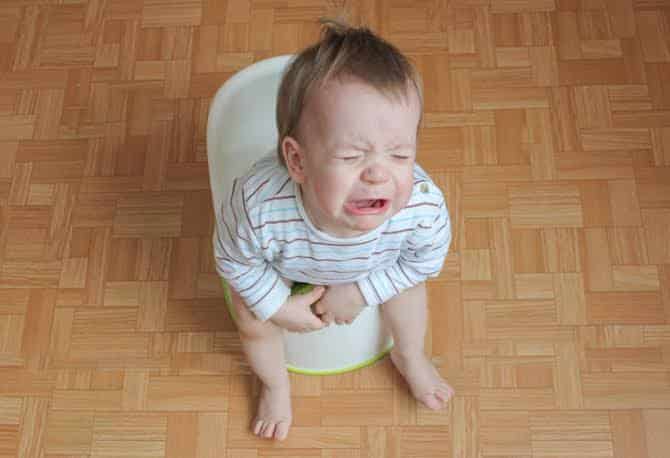
Pain while passing urine in children can be caused by various factors, including urinary tract infections (UTIs), urinary tract abnormalities, irritation from soaps or bubble baths, constipation or even psychological factors like anxiety. It’s important to consult your pediatrician, if a child is experiencing pain while urinating, as it could indicate an underlying medical issue that needs attention.

Urinary tract infections (UTIs) are a common cause of pain during urination in children. Symptoms of a UTI in children may also include frequent urination, urgency, foul-smelling urine, and sometimes fever. UTIs should be promptly diagnosed and treated. Consult your pediatrician immediately.

Urinary tract abnormalities, such as structural problems in the kidneys or bladder, can also lead to pain during urination in children. These abnormalities may require further evaluation and management by a pediatric urologist or nephrologist.

In some cases, external factors like irritation from soaps, bubble baths, or tight clothing can cause discomfort during urination. Ensuring proper hygiene practices and avoiding potential irritants can help alleviate this type of discomfort.

Constipation is another common factor in children that can lead to painful urination and sometimes leading to children holding their urine. Your pediatrician will take a detail history and evaluate to rule out this condition.

Additionally, psychological factors like anxiety or stress can sometimes manifest as physical symptoms such as pain during urination. In these cases, addressing the underlying psychological factors through counseling or therapy may be beneficial.

Overall, any persistent or severe pain during urination in children should be evaluated by a pediatricianl to determine the underlying cause and appropriate treatment.


IMG_0453.jpeg
07/Mar/2024

Constipation in children is common and usually not serious, but parents should be aware of some key points:

  1. Symptoms: Look out for infrequent bowel movements, hard stools, abdominal pain, and difficulty passing stool.
  2. Causes: It can be caused by diet low in fiber, dehydration, changes in routine, withholding stool due to fear or discomfort, or certain medical conditions.
  3. Treatment: Encourage a high-fiber diet, increased water intake, regular exercise, and establishing a regular toilet routine. Sometimes, laxatives or stool softeners may be needed, but consult your pediatrician first.
  4. Prevention: Ensure your child has a balanced diet with plenty of fiber-rich foods, adequate hydration, and regular physical activity.
  5. When to seek medical help: If constipation persists despite home remedies, if there’s blood in the stool, or if your child is experiencing severe abdominal pain or weight loss, consult your pediatrician immediately for further evaluation and management.

IMG_0426.jpeg
11/Nov/2023

Loose stools in Children also termed as acute gastroenteritis is a very common problem that small children and toddlers face. It is characterised by loose watery stools, sometime leading to rash in the anal region. As parents managing child with loose stools at home can be very tiresome. However, properly managing and monitoring the child is most important in smooth recovery of the child. Following points to be kept in mind with respect to loose stools occurring in your loved ones :

1. Most loose stools in Children occurs due to viral infection and antibiotics have NO ROLE in its treatment.

2. Maintaining adequate hydration is the most important thing in such situation. Complications can only rise if hydration is not maintained properly.

3. Liquids in any form – water, ors, lime juice, tender coconut water, milk, soups etc should be offered at a regular basis especially if loose watery stools occurs excessively in order to prevent dehydration.

4. ORS when prepared, refer to the instructions given on the packet and mix accordingly. Improper mixing of ORS powder can lead to more problems. Excess and unwanted ORS usage can lead to more sodium in the body which might lead to further complications.

5. Keep a watch on child’s urine output and if any reduction in urine output is noticed, reach out to your pediatrician immediately.

6. If you notice any blood or black coloured stools, consult your pediatrician immediately.

7. Poor oral intake, lethargy, excess sleepiness, dry mouth, sunken eyes are few danger signs to be looked out for and consult your doctor immediately.


IMG_0330.jpeg
16/Jun/2023

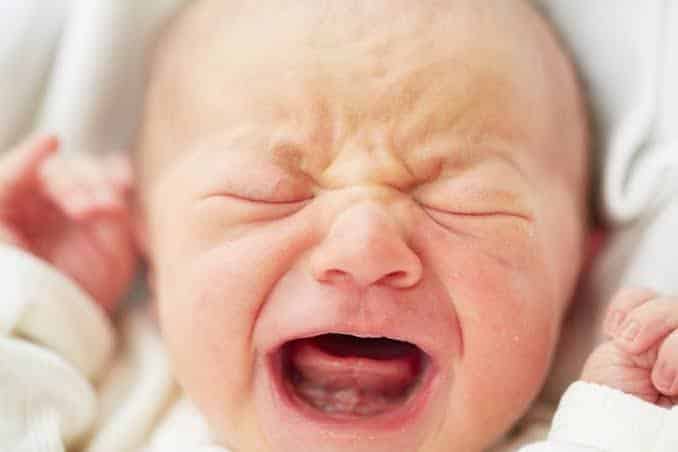
Colic is a common condition that affects some newborn babies. It is characterized by frequent and intense crying episodes, usually occurring in the late afternoon or evening. Colic typically starts within the first few weeks of life and often resolves on its own by the time the baby is three to four months old.

The exact cause of colic is unknown, but there are several theories. Some possible factors that may contribute to colic include:

  1. Immature digestive system
  2. Gas and trapped air: Babies can swallow air while feeding, which can lead to trapped gas in their digestive system, causing discomfort and colic.
  3. Overstimulation: Sensory overload, such as excessive noise, bright lights, or too much handling, can overwhelm newborns and contribute to colic episodes.
  4. Allergies or sensitivities: Some infants may have an intolerance or sensitivity to certain foods, such as cow’s milk protein, which can cause colic-like symptoms.

It’s important to note that colic is a diagnosis of exclusion, meaning that other possible causes of excessive crying, such as medical conditions or infections, should be ruled out by your pediatrician.

While colic can be distressing for both the baby and the parents, there are several strategies that may help manage the symptoms:

  1. Soothing techniques: Gentle rocking, swaddling, using white noise, or carrying the baby in a sling or carrier can provide comfort and help calm a colicky baby.
  2. Feeding adjustments: If breastfeeding, the mother may try eliminating potential trigger foods from her diet, such as dairy products or caffeine. If formula-feeding, sometimes your baby might have to be switched to less allergenic formulas by your pediatrician.
  3. Burping: Ensuring the baby is burped frequently during and after feedings can help release trapped air and reduce discomfort.
  4. Creating a calm environment: Minimizing stimulation, dimming lights, and reducing noise levels during colic episodes can help soothe the baby.
  5. Seeking support: Taking breaks and asking for help from family members or friends can provide much-needed support for parents dealing with a colicky baby.

It’s crucial to consult with a pediatrician to rule out any underlying medical conditions and for personalized advice on managing colic in your newborn. Your doctor can provide guidance tailored to your baby’s specific needs and offer additional strategies or interventions if necessary.


Dr. Vibin KV

Dr. Vibin KV is best pediatrician in south Delhi, near safdarjung enclave. He has over 14 years experience in managing sick children from newborn to 18 years of age.
Conditions treated and services provided at the clinic include:
1) Respiratory illnesses with cough or noisy breathing- bronchiolitis, bronchitis, pneumonia, wheezing, asthma, foreign body, Inhaler therapy etc.
2) Vaccinations in all age groups.
3) New Born baby care.
4) Diarrhea, dysentery, dehydration.
5) Liver and Kidney Failure.
6) Brain infection including meningitis, encephalitis etc.
7) Urinary problems like Urinary tract infection, poor urine stream, painful urine, tight skin of the penis (phimosis) or paraphimosis, redness or pus at penis area.
8) Nephrotic syndrome and other Kidney related problems.
9) Jaundice, Hepatitis.
10) Poor growth, short stature, overweight, obesity.
11) Childhood diabetes and other endocrine problems in children.
12) Colic in infants.
13) Constipation in infants and older children.
14) Skin conditions like allergies, eczema, dermatitis, herpes, Rashes, dry skin, Dandruff, white patch over face, hair fall, dry scalp, diaper rash, nail problems etc.
15) Hernia or hydrocele- swelling in umbilical, swelling in testis, swelling in inguinal region.
16) Fever and Infections (bacterial, viral, fungal etc)
17) Seizures - Epilepsy, Febrile seizures.
18) worm infestations
19) Fall from height, head injury, Trauma, fractures (bone injury) etc.
20) PICC line and central line insertions.
21) Day care and Inpatient care facilities.
22) Adolescent care - emotional, psychological health.
23) Autism, ADHD, hyperactivity, learning disabilities, Developmental delay.
24) Short surgical procedures needing IV sedation.

Copyright by Dr. VibinKV 2023. All rights reserved.