
Medical Info For Parents

ORS.png
26/Jul/2024

Understanding ORS

  • Purpose: ORS helps replenish fluids and electrolytes lost due to diarrhea.
  • Composition: A balanced mixture of water, salts, and sugars.

Importance of ORS

  • Prevents Dehydration: Replaces lost fluids and vital salts (sodium, potassium).
  • Effective and Safe: Proven to reduce mortality and severity of diarrhea-related dehydration.
  • Accessible: Can be prepared at home or purchased pre-mixed.

Preparing ORS at Home

If commercial ORS is unavailable, it can be made at home:

  1. Ingredients:
    • 1 liter of clean drinking water (4.2 cups)
    • 6 level teaspoons of sugar (30 ml)
    • 0.5 level teaspoon of salt (2.5 ml)
  2. Instructions:
    • Dissolve the sugar and salt in the water thoroughly.
    • Use within 24 hours to ensure effectiveness.

Administering ORS

  • Frequent and Small Amounts: Offer small sips frequently, especially after each episode of diarrhea.
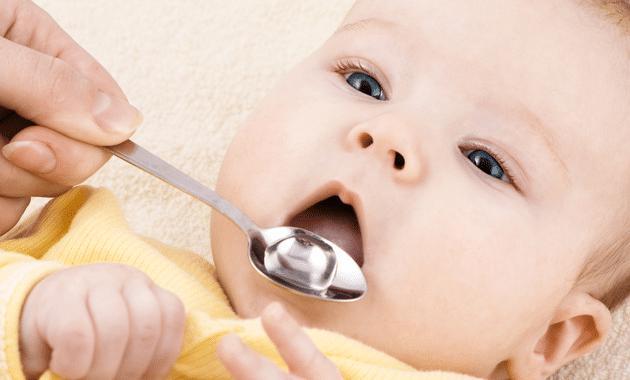
  • Use Appropriate Tools: Administer with a spoon or cup, avoiding bottles for better control.
  • Monitor Hydration: Check for signs of adequate hydration, such as normal urination, alertness, and moist mouth.

Signs of Dehydration

  • Mild to Moderate: Increased thirst, dry mouth, fewer wet diapers or trips to the bathroom.
  • Severe: Very dry mouth and skin, sunken eyes, no tears when crying, sunken soft spot on an infant’s head, lethargy or irritability, rapid heartbeat.

When to Seek Medical Help

  • Persistent Diarrhea: Lasting more than a few days.
  • Severe Dehydration: Especially if accompanied by the severe signs listed above.
  • Additional Symptoms: High fever, blood in stool, vomiting, or if the child is very young (infants).

Additional Tips for Parents

  • Continue Feeding: Offer regular meals alongside ORS to maintain nutrition.
  • Breastfeeding: Continue breastfeeding if applicable, as it provides essential nutrients and additional hydration.
  • Maintain Hygiene: Good hygiene practices are crucial to prevent infections that can cause diarrhea.

Practical Advice

  • Storage: Store ORS in a clean container and use within 24 hours.
  • Education: Learn and practice the preparation of ORS, especially when traveling to areas where commercial ORS might be unavailable.
  • Awareness: Recognize the signs of dehydration early and act promptly.

By understanding and effectively using ORS, parents can significantly improve their child’s recovery from diarrhea and prevent severe dehydration.


IMG_0457.jpeg
15/Jul/2024

Seeing blood in a child’s stool can be alarming for any parent. While it’s not always a sign of a serious problem, it’s important to understand the possible causes and when to seek medical attention.

Common Causes

  1. Anal Fissures
    • Small tears in the skin around the anus, often caused by passing large or hard stools.
    • Blood is usually bright red and on the surface of the stool or toilet paper.
  2. Constipation
    • Straining and passing hard stools can lead to small tears or hemorrhoids.
    • May accompany anal fissures.
  3. Infections
    • Bacterial infections such as salmonella, shigella, or campylobacter can cause bloody diarrhea.
    • Accompanied by other symptoms like fever, abdominal pain, and diarrhea.
  4. Food Allergies
    • Allergies to cow’s milk or soy protein, especially in infants, can cause blood in the stool.
    • Often seen with symptoms like diarrhea, vomiting, or eczema.
  5. Inflammatory Bowel Disease (IBD)
    • Conditions like Crohn’s disease or ulcerative colitis can cause chronic inflammation in the digestive tract.
    • Symptoms include diarrhea, abdominal pain, weight loss, and fatigue.
  6. Intussusception
    • A serious condition where part of the intestine slides into an adjacent part, causing a blockage.
    • Symptoms include sudden, severe abdominal pain, vomiting, and “currant jelly” stools (stools mixed with blood and mucus).

What Parents Should Do

  1. Observe and Document
    • Note the color and amount of blood, and any accompanying symptoms like pain, diarrhea, or fever.
    • Keep track of the child’s diet, bowel habits, and any recent illnesses.
  2. Seek Medical Attention
    • Contact a pediatrician if blood in the stool persists, is accompanied by other symptoms (fever, abdominal pain, diarrhea), or if the child is very young.
    • Seek immediate medical care if there are signs of severe pain, significant bleeding, or symptoms of dehydration.
  3. Maintain Hydration and Diet
    • Ensure the child stays hydrated, especially if they are experiencing diarrhea.
    • A balanced diet with plenty of fiber can help prevent constipation.
  4. Follow Medical Advice
    • The pediatrician may recommend tests such as stool samples, blood tests, or imaging studies to determine the cause.
    • Treatment will depend on the underlying cause and may include dietary changes, medications, or in some cases, surgery.

Prevention and Care

  • Encourage a high-fiber diet and adequate fluid intake to prevent constipation.
  • Ensure proper hygiene to reduce the risk of infections.
  • Monitor for any signs of food allergies and discuss them with a pediatrician.

If you have any specific concerns or notice any unusual symptoms, it’s always best to consult with your pediatrician.


iron_deficiency_aneaemia_kids_750.jpg
03/Jul/2024

Iron is an essential mineral for children’s growth and development. It’s crucial for the production of hemoglobin, the protein in red blood cells that carries oxygen throughout the body. Here are key points parents should know about oral iron supplementation for children:

Why Iron is Important:

  1. Growth and Development: Iron supports proper growth and muscle development.
  2. Cognitive Function: Adequate iron levels are important for brain development and function.
  3. Immune System: Iron is essential for a healthy immune system.

Sources of Iron:

  • Dietary Sources: Red meat, poultry, fish, beans, lentils, tofu, spinach, and fortified cereals.
  • Supplements: Oral iron supplements may be recommended if dietary intake is insufficient or if a child is diagnosed with iron deficiency anemia.

Administration Tips:

  1. Dosage: Follow the pediatrician’s instructions carefully regarding dosage and duration.
  2. Timing: Best absorbed on an empty stomach, but can be taken with food to avoid stomach upset.
  3. Vitamin C: Enhances iron absorption; pair iron supplements with vitamin C-rich foods like oranges, strawberries, or tomatoes.
  4. Avoid Dairy: Calcium can inhibit iron absorption; avoid giving iron with milk or dairy products.
  5. Consistency: Stick to the prescribed regimen for the best results.

Potential Side Effects:

  • Gastrointestinal Issues: Constipation, nausea, vomiting, or diarrhea.
  • Discolored Stools: Dark or greenish stools are common and harmless.

Safety Considerations:

  • Storage: Keep iron supplements out of reach of children to prevent accidental overdose, which can be fatal.
  • Medical Supervision: Always use supplements under medical supervision; do not self-prescribe.

Monitoring and Follow-Up:

  • Regular blood tests to monitor iron levels and ensure effective treatment.
  • Follow-up visits with the pediatrician to adjust dosage if necessary and to monitor for side effects.

Ensuring that children get enough iron through diet or supplements is crucial for their overall health and development. Always consult a healthcare provider before starting any new supplement regimen.


Artboard_3-100_5_-min.webp
27/Jun/2024

Colic is a common condition in infants, characterized by episodes of intense, unexplained crying and discomfort. It typically occurs in the first few months of life and can be very distressing for both the baby and the parents. Here’s what parents need to know about colic pain in infants:

Symptoms of Colic:

  • Intense Crying: Episodes of crying that last for several hours, usually occurring in the late afternoon or evening.
  • Clenched Fists: The baby may clench their fists, curl their legs, and tense their abdominal muscles.
  • Facial Grimacing: The baby might have a pained expression and may appear to be in distress.
  • Difficulty Sleeping: Colicky babies often have trouble falling asleep or staying asleep.

Possible Causes:

The exact cause of colic is unknown, but several factors may contribute:

  • Digestive Issues: Immature digestive systems may lead to gas, bloating, and discomfort.
  • Overstimulation: Sensory overload from lights, sounds, and activities can contribute to colic.
  • Feeding Problems: Difficulty feeding, whether breastfeeding or bottle-feeding, can sometimes cause colic symptoms.
  • Allergies or Intolerances: In some cases, food allergies or intolerances (such as to cow’s milk) may be a factor.

Management and Relief Strategies:

  • Comforting Techniques: Rocking, swaddling, holding the baby, or using a pacifier can provide comfort.
  • Burping: Ensure the baby is burped frequently during and after feedings to reduce gas.
  • Warm Baths: A warm bath can sometimes soothe a colicky baby.
  • Probiotics: Some studies suggest that probiotics may help reduce colic symptoms in breastfed babies.
  • Dietary Changes:For formula-fed babies, trying a different formula may be beneficial.
  • Holding Positions: Holding the baby in different positions, such as upright or on their stomach across your forearm, may provide relief.

When to Seek Medical Advice:

  • Severe or Prolonged Crying: If the crying is exceptionally severe or lasts for more than three hours a day, it’s important to consult a healthcare provider.
  • Feeding Difficulties: If the baby is not feeding well, losing weight, or has other symptoms like vomiting or diarrhea.
  • Health Concerns: Any concerns about the baby’s health or development should be discussed with a pediatrician.

Support for Parents:

  • Take Breaks: It’s essential for parents to take breaks and ask for help to manage stress and fatigue.
  • Parenting Groups: Joining a support group or talking to other parents can provide emotional support and practical tips.
  • Professional Help: If the stress becomes overwhelming, seeking professional help from a healthcare provider or counselor is advisable.

Colic can be challenging, but it usually improves by the time the baby is about 3-4 months old. With patience, support, and appropriate management, parents can help their baby through this difficult phase.

shutterstock_1187290291-a8dd877d6ac248f68b13c42758dd693a-1200x801.jpg
01/Jun/2024

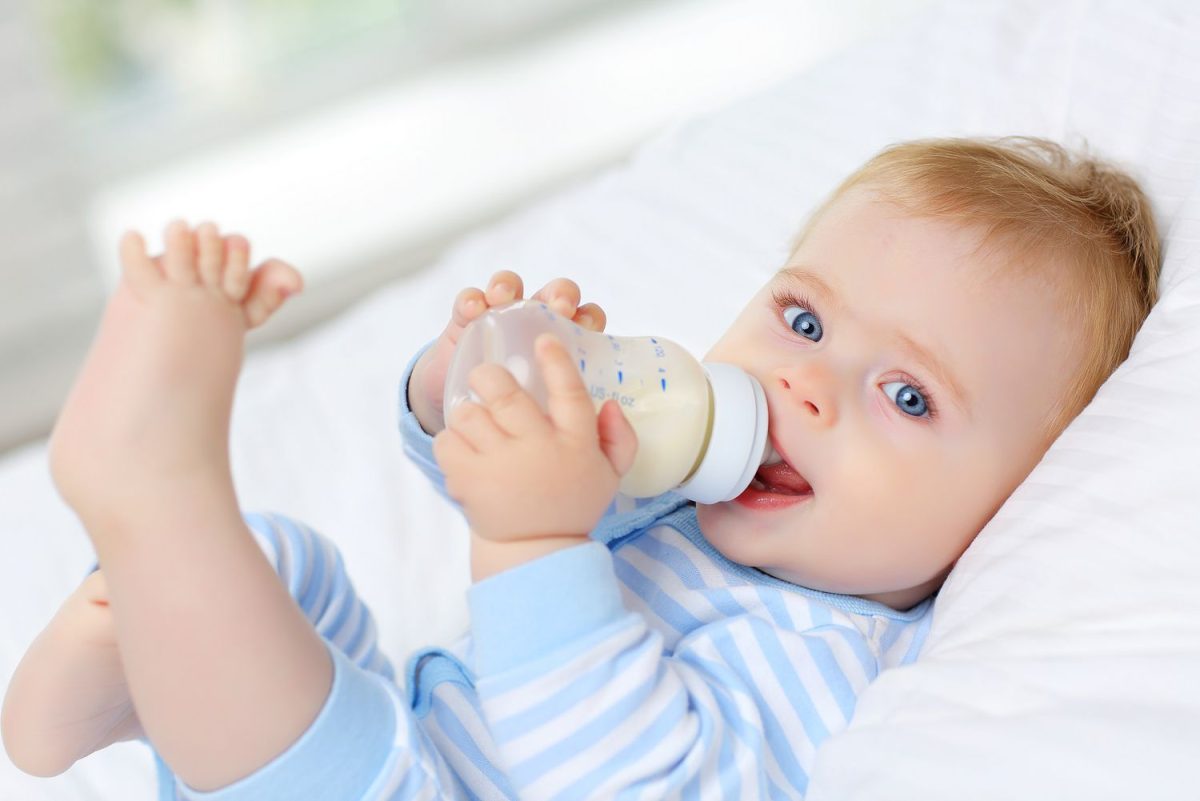
Giving too much milk to an infant can lead to several problems, impacting their health and development. Here are some key issues:

1. Nutritional Imbalance

  • Iron Deficiency Anemia: Excessive milk consumption, especially cow’s milk, can interfere with iron absorption and may lead to anemia.
  • Poor Appetite for Solids: If an infant drinks too much milk, they might feel full and show less interest in eating solid foods, leading to a lack of essential nutrients that are not present in milk alone.

2. Gastrointestinal Issues

  • Constipation: High milk intake can cause constipation in some infants.
  • Milk Allergy or Intolerance: Overconsumption of milk can exacerbate symptoms in infants who have a milk allergy or lactose intolerance, causing discomfort and digestive issues.

3. Growth and Development Concerns

  • Imbalanced Growth: Relying too much on milk for calories can result in poor weight gain or even obesity, as the child might not receive a balanced diet.
  • Delayed Development: Insufficient intake of solid foods can delay the development of chewing skills and oral motor function.

4. Dental Health

  • Tooth Decay: Prolonged exposure to milk sugars, especially if the infant drinks milk from a bottle while lying down or falls asleep with a bottle, can increase the risk of tooth decay.

Dr. Vibin KV

Dr. Vibin KV is best pediatrician in south Delhi, near safdarjung enclave. He has over 14 years experience in managing sick children from newborn to 18 years of age.
Conditions treated and services provided at the clinic include:
1) Respiratory illnesses with cough or noisy breathing- bronchiolitis, bronchitis, pneumonia, wheezing, asthma, foreign body, Inhaler therapy etc.
2) Vaccinations in all age groups.
3) New Born baby care.
4) Diarrhea, dysentery, dehydration.
5) Liver and Kidney Failure.
6) Brain infection including meningitis, encephalitis etc.
7) Urinary problems like Urinary tract infection, poor urine stream, painful urine, tight skin of the penis (phimosis) or paraphimosis, redness or pus at penis area.
8) Nephrotic syndrome and other Kidney related problems.
9) Jaundice, Hepatitis.
10) Poor growth, short stature, overweight, obesity.
11) Childhood diabetes and other endocrine problems in children.
12) Colic in infants.
13) Constipation in infants and older children.
14) Skin conditions like allergies, eczema, dermatitis, herpes, Rashes, dry skin, Dandruff, white patch over face, hair fall, dry scalp, diaper rash, nail problems etc.
15) Hernia or hydrocele- swelling in umbilical, swelling in testis, swelling in inguinal region.
16) Fever and Infections (bacterial, viral, fungal etc)
17) Seizures - Epilepsy, Febrile seizures.
18) worm infestations
19) Fall from height, head injury, Trauma, fractures (bone injury) etc.
20) PICC line and central line insertions.
21) Day care and Inpatient care facilities.
22) Adolescent care - emotional, psychological health.
23) Autism, ADHD, hyperactivity, learning disabilities, Developmental delay.
24) Short surgical procedures needing IV sedation.

Copyright by Dr. VibinKV 2023. All rights reserved.