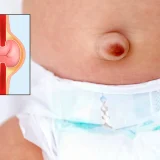

UMBILICAL CORD STUMP CARE – WHAT PARENTS NEED TO KNOW.
Parents should keep the umbilical cord stump clean, dry, and untouched, and watch carefully for any signs of infection or delayed healing. It usually falls off on its own within about 1–3 weeks after birth.mayoclinic+3
What the stump is
-
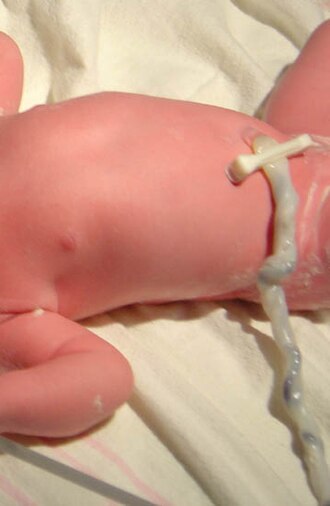
The stump is the small piece of umbilical cord left on your baby’s tummy after birth and clamping.clevelandclinic+1
-
Over days it dries, shrivels, and then separates, leaving the belly button.mayoclinic+1
Normal timing and appearance
-
Most stumps fall off between 1 and 3 weeks of age; many sources quote roughly 5–21 days.mayoclinicyoutube
-
It often changes from yellowish to brown or black as it dries; a tiny spot of blood when it falls off can be normal.mayoclinic+1
Everyday care: do’s
-
Wash your hands before touching the stump or the skin around it.raisingchildren.net
-
Keep the stump as dry as possible: expose it to air, fold the front of the diaper down so it doesn’t rub, and use loose clothing.mayoclinic+2
-
If wee or poo gets on the area, gently clean with water (and mild baby cleanser if needed), then pat dry and leave it open to air.mayoclinic+1
-
Sponge baths are often easier until the stump falls off, but if it gets wet in a bath, simply dry it well afterward.mayoclinic+1
Everyday care: don’ts
-
Don’t pull, tug, or try to speed up separation, even if it looks “almost off.”mayoclinic+1youtube
-
Don’t cover the stump with tight waistbands, plastic pants, or bulky diapers that keep it damp.mayoclinic+1
-
Don’t apply powders, oils, home remedies, or coins/tape over the area; these can irritate the skin or trap moisture and germs.nationwidechildrens+1
-
Routine swabbing with rubbing alcohol is no longer recommended in many places because it can delay the stump falling off; only use it if your own healthcare professional specifically advises it.mayoclinic+2
Cleaning small amounts of fluid
-
Clear or slightly blood‑stained fluid can occasionally seep from the base; gently wipe it away with a damp cotton swab or washcloth, then pat dry.mayoclinic+1
-
Make sure you can dry the base of the stump (you may need to gently press the nearby skin down or tilt the stump) and then leave it open to air.mayoclinic
After the stump falls off
-
Keep the belly button area clean and dry, still folding the diaper down to let air get to it.raisingchildren.net
-
A small amount of pink tissue or a few drops of blood right when it falls off can be normal; this should quickly improve.mayoclinic+1
Warning signs: when to call a doctor urgently
Contact your baby’s doctor, midwife, or pediatric nurse the same day (or seek urgent care) if you notice:
-
Skin around the stump that is red, warm, swollen, or very tender.mayoclinic+1youtube
-
Thick yellow or green discharge (pus) or a foul smell from the stump or belly button.mayoclinic+1youtube
-
Bleeding that is more than a few spots, keeps soaking the diaper, or continues beyond a couple of days.mayoclinic+1
-
Your baby seems unwell (fever, poor feeding, unusual sleepiness) along with changes at the stump.raisingchildren.net+1
These can be signs of infection and need medical assessment.mayoclinic+1youtube
When healing seems slow
-
If the stump has not fallen off by about 2–3 weeks, or you still see sticky fluid several days after it comes off, you should have your baby checked by a healthcare professional.nationwidechildrens+2
-
Occasionally, babies develop an umbilical granuloma (a small, moist pink lump); this is usually simple to treat but must be assessed by a doctor.
Parents should keep the umbilical cord stump clean, dry, and untouched, and watch carefully for any signs of infection or delayed healing. It usually falls off on its own within about 1–3 weeks after birth.
What the stump is
-
The stump is the small piece of umbilical cord left on your baby’s tummy after birth and clamping.clevelandclinic+1
-
Over days it dries, shrivels, and then separates, leaving the belly button.
Normal timing and appearance
-
Most stumps fall off between 1 and 3 weeks of age; many sources quote roughly 5–21 days.
-
It often changes from yellowish to brown or black as it dries; a tiny spot of blood when it falls off can be normal.mayoclinic+1
Everyday care: do’s
-
Wash your hands before touching the stump or the skin around it.raisingchildren.net
-
Keep the stump as dry as possible: expose it to air, fold the front of the diaper down so it doesn’t rub, and use loose clothing.mayoclinic+2
-
If wee or poo gets on the area, gently clean with water (and mild baby cleanser if needed), then pat dry and leave it open to air.mayoclinic+1
-
Sponge baths are often easier until the stump falls off, but if it gets wet in a bath, simply dry it well afterward.mayoclinic+1
Everyday care: don’ts
-
Don’t pull, tug, or try to speed up separation, even if it looks “almost off.”mayoclinic+1youtube
-
Don’t cover the stump with tight waistbands, plastic pants, or bulky diapers that keep it damp.mayoclinic+1
-
Don’t apply powders, oils, home remedies, or coins/tape over the area; these can irritate the skin or trap moisture and germs.nationwidechildrens+1
-
Routine swabbing with rubbing alcohol is no longer recommended in many places because it can delay the stump falling off; only use it if your own healthcare professional specifically advises it.mayoclinic+2
Cleaning small amounts of fluid
-
Clear or slightly blood‑stained fluid can occasionally seep from the base; gently wipe it away with a damp cotton swab or washcloth, then pat dry.mayoclinic+1
-
Make sure you can dry the base of the stump (you may need to gently press the nearby skin down or tilt the stump) and then leave it open to air.mayoclinic
After the stump falls off
-
Keep the belly button area clean and dry, still folding the diaper down to let air get to it.raisingchildren.net
-
A small amount of pink tissue or a few drops of blood right when it falls off can be normal; this should quickly improve.mayoclinic+1
Warning signs: when to call a doctor urgently
Contact your baby’s doctor, midwife, or pediatric nurse the same day (or seek urgent care) if you notice:
-
Skin around the stump that is red, warm, swollen, or very tender.mayoclinic+1youtube
-
Thick yellow or green discharge (pus) or a foul smell from the stump or belly button.mayoclinic+1youtube
-
Bleeding that is more than a few spots, keeps soaking the diaper, or continues beyond a couple of days.mayoclinic+1
-
Your baby seems unwell (fever, poor feeding, unusual sleepiness) along with changes at the stump.raisingchildren.net+1
These can be signs of infection and need medical assessment.mayoclinic+1youtube
When healing seems slow
-
If the stump has not fallen off by about 2–3 weeks, or you still see sticky fluid several days after it comes off, you should have your baby checked by a healthcare professional.nationwidechildrens+2
-
Occasionally, babies develop an umbilical granuloma (a small, moist pink lump); this is usually simple to treat but must be assessed by a doctor.clevelandclinic+1