Medical Info For Parents

IMG_0033.jpeg
10/Feb/2025

Infant reflux, also known as gastroesophageal reflux (GER), is common in babies and usually not a cause for concern. Here’s what parents should know:

1. What Is Infant Reflux?

Reflux occurs when stomach contents flow back into the esophagus, causing spitting up. This happens because the muscle that keeps food in the stomach (the lower esophageal sphincter) is still developing in infants.

2. Signs of Reflux in Babies

  • Frequent spitting up or vomiting
  • Coughing or hiccups after feeding
  • Irritability or crying, especially after eating
  • Arching the back or stiffening during feeding
  • Difficulty sleeping or discomfort when lying down
  • Poor weight gain (in more severe cases)

3. When Is Reflux a Problem?

Most babies outgrow reflux by 12 to 18 months. However, Gastroesophageal Reflux Disease (GERD) is a more serious condition that requires medical attention. Signs of GERD include:

  • Poor weight gain or weight loss
  • Frequent forceful vomiting
  • Blood in vomit or stool
  • Chronic cough, wheezing, or difficulty breathing
  • Extreme fussiness or refusal to eat

4. Tips to Manage Mild Reflux

  • Feed smaller amounts more frequently – Large feedings can overwhelm a baby’s stomach.
  • Burp often – Burp your baby every few minutes during and after feeding.
  • Keep baby upright – Hold your baby upright for 20–30 minutes after feeding.
  • Use a proper feeding position – Ensure the baby is not lying flat while feeding.
  • Try thickened feeds – If advised by a doctor, thickening formula or breast milk with a small amount of rice cereal may help.
  • Check for formula or food allergies – Some babies react to cow’s milk protein or other allergens.

5. When to See a Doctor

Consult a pediatrician if your baby has:

  • Frequent projectile vomiting
  • Trouble gaining weight
  • Signs of discomfort during feeding
  • Breathing difficulties
  • Persistent cough or wheezing

6. Treatment Options

For severe cases, doctors may recommend medication to reduce stomach acid or, in rare cases, further medical interventions.

7. The Good News

Most babies outgrow reflux as their digestive system matures, usually by their first birthday. Managing feedings and positioning can significantly help reduce symptoms.


IMG_0032.jpeg
06/Feb/2025

Nasal congestion (nose block) is common in infants because their nasal passages are small and can easily become clogged with mucus. Here’s what parents should know:

Causes of Nose Block in Infants

  1. Common Cold – Viral infections can cause mucus buildup.
  2. Dry Air – Especially during winter or in air-conditioned rooms.
  3. Allergies – Though less common in newborns, dust, pet dander, or smoke can irritate their nose.
  4. Reflux – Sometimes, stomach acid can irritate the nasal passages.
  5. Teething – Some babies have nasal congestion when teething due to increased saliva production.

Signs of Nasal Congestion

  • Noisy breathing or snoring
  • Difficulty feeding due to blocked nose
  • Restlessness or trouble sleeping
  • Sneezing or mild coughing

How to Relieve Nose Block

  1. Saline Drops & Suction
    • Use saline nasal drops to loosen mucus.
    • A bulb syringe or nasal aspirator can help remove mucus gently.
  2. Steam & Humidifiers
    • A warm steam bath or a cool-mist humidifier in the baby’s room can ease congestion.
  3. Elevate the Head
    • Slightly elevating the baby’s head during sleep (not with a pillow but by tilting the crib mattress slightly) can help with drainage.
  4. Hydration
    • Breastfeeding or bottle-feeding keeps the baby hydrated, which helps thin the mucus.
  5. Avoid Irritants
    • Keep the baby away from smoke, strong perfumes, or dust.

When to See pediatrician

  • If congestion lasts more than 10 days.
  • Baby has difficulty breathing, wheezing, or high fever.
  • Signs of dehydration (fewer wet diapers, dry mouth).
  • If baby refuses to feed due to congestion.

Most nasal congestion in infants is mild and resolves on its own. However, if you’re worried, it’s always best to check with your child’s pediatrician.


9d5ac0e0-7cb4-41d2-bfa0-752a0d92d584-1200x1200.webp
13/Sep/2024

Identifying infections in newborns can be challenging because their immune systems are not fully developed, and their symptoms may not always be obvious. However, there are several key signs parents can watch for to detect potential infections early. Here are some tips to help:

1. Watch for Fever

  • Fever (or low temperature): A temperature above 100.4°F (38°C) or below 97.5°F (36.4°C) could indicate an infection. In newborns, even a low fever can be a sign of serious illness and in most cases fever might not be present.

2. Monitor Feeding Habits

  • Difficulty feeding: If your baby suddenly loses interest in feeding or has difficulty breastfeeding or bottle-feeding, this may be a red flag.
  • Vomiting or frequent spit-ups: Though some spit-up is normal, persistent vomiting can be a sign of an infection, especially if it’s accompanied by other symptoms.

3. Observe Breathing Patterns

  • Labored or rapid breathing: Fast breathing (more than 60 breaths per minute), grunting sounds, or pauses in breathing may indicate respiratory distress or infection.

4. Check for Changes in Skin Color

  • Pale, bluish, or mottled skin: This can be a sign of poor oxygenation or circulation, possibly due to infection.
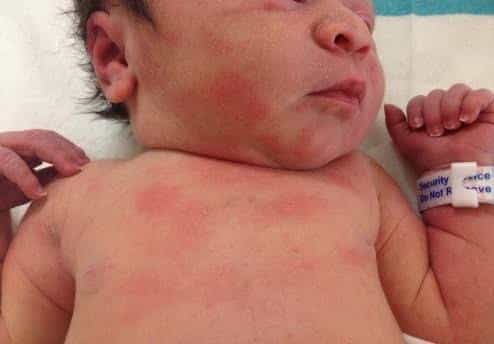
  • Rashes: While some newborn rashes are normal, a sudden onset of an unusual rash, especially one that doesn’t fade with pressure, could signal an infection.

5. Track Diaper Changes

  • Decreased urination: Fewer wet diapers than usual may indicate dehydration, which could be a sign of an infection.
  • Diarrhea: Watery, foul-smelling stools or a sudden increase in stool frequency might indicate a gastrointestinal infection.

6. Look for Behavioral Changes

  • Excessive fussiness or irritability: While crying is normal for newborns, constant crying, especially if it’s out of the ordinary, may signal discomfort from an infection.
  • Lethargy or decreased activity: If your baby seems unusually sleepy, weak, or difficult to wake, this could indicate an infection.

7. Check the Umbilical Cord or Circumcision Site

  • Redness, swelling, or discharge: Any sign of infection around the umbilical cord stump or circumcision site (if applicable), such as pus or a bad smell, needs medical attention.

8. Monitor Jaundice

  • Prolonged or worsening jaundice: Yellowing of the skin and eyes is common in newborns but should improve after a few days. If it worsens or persists, it could indicate an underlying infection or liver issue.

9. Unusual Crying Sounds

  • High-pitched or weak cry: A cry that sounds different from your baby’s normal cry may indicate discomfort or illness.

10. Seek Medical Attention

  • Trust your instincts: If something doesn’t seem right, it’s always best to consult your pediatrician. Newborn infections can escalate quickly, so early detection and treatment are critical.

If you observe any of these signs, particularly in combination, it’s essential to contact your pediatrician promptly.


Dr. Vibin KV

Dr. Vibin KV is best pediatrician in south Delhi, near safdarjung enclave. He has over 14 years experience in managing sick children from newborn to 18 years of age.
Conditions treated and services provided at the clinic include:
1) Respiratory illnesses with cough or noisy breathing- bronchiolitis, bronchitis, pneumonia, wheezing, asthma, foreign body, Inhaler therapy etc.
2) Vaccinations in all age groups.
3) New Born baby care.
4) Diarrhea, dysentery, dehydration.
5) Liver and Kidney Failure.
6) Brain infection including meningitis, encephalitis etc.
7) Urinary problems like Urinary tract infection, poor urine stream, painful urine, tight skin of the penis (phimosis) or paraphimosis, redness or pus at penis area.
8) Nephrotic syndrome and other Kidney related problems.
9) Jaundice, Hepatitis.
10) Poor growth, short stature, overweight, obesity.
11) Childhood diabetes and other endocrine problems in children.
12) Colic in infants.
13) Constipation in infants and older children.
14) Skin conditions like allergies, eczema, dermatitis, herpes, Rashes, dry skin, Dandruff, white patch over face, hair fall, dry scalp, diaper rash, nail problems etc.
15) Hernia or hydrocele- swelling in umbilical, swelling in testis, swelling in inguinal region.
16) Fever and Infections (bacterial, viral, fungal etc)
17) Seizures - Epilepsy, Febrile seizures.
18) worm infestations
19) Fall from height, head injury, Trauma, fractures (bone injury) etc.
20) PICC line and central line insertions.
21) Day care and Inpatient care facilities.
22) Adolescent care - emotional, psychological health.
23) Autism, ADHD, hyperactivity, learning disabilities, Developmental delay.
24) Short surgical procedures needing IV sedation.

Copyright by Dr. VibinKV 2023. All rights reserved.